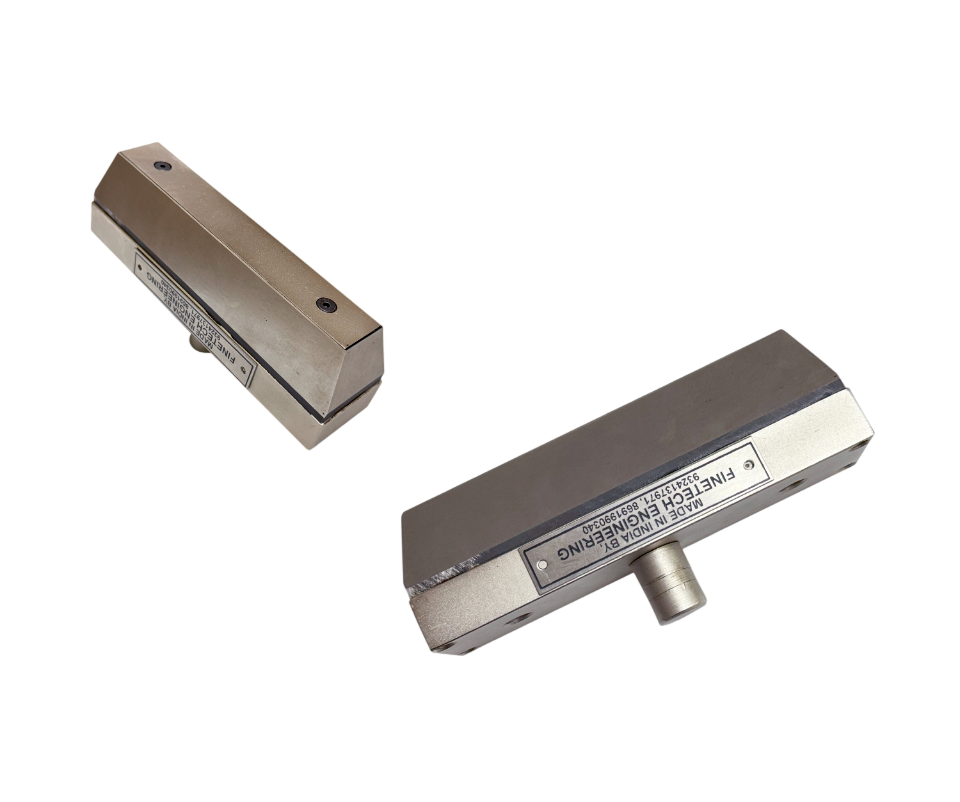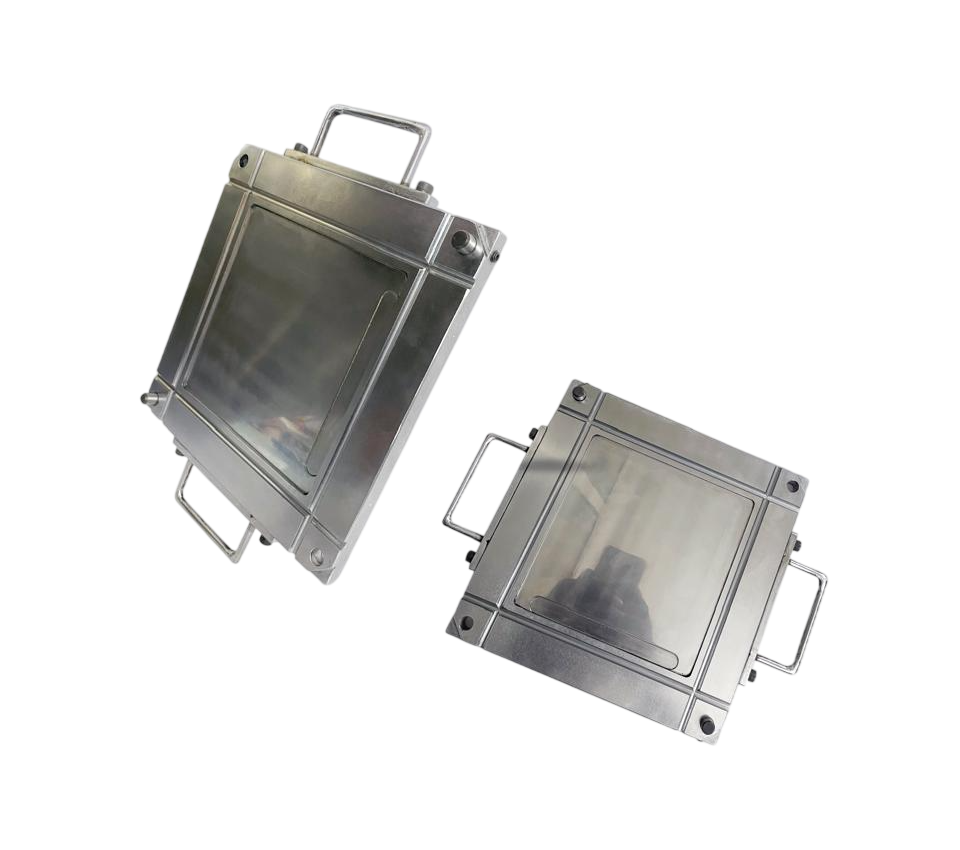








Every mechanical test – tensile, tear, compression, hardness – begins with a correctly shaped specimen. If the specimen dimensions are wrong, the test result is meaningless, no matter how accurate the testing machine is. Maharashtra’s rubber and plastics testing labs, concentrated across Thane, Taloja, Bhiwandi, Pimpri-Chinchwad and Pune, depend on precision specimen cutters and moulds to prepare consistent, standard-compliant test pieces batch after batch. Finetech Engineering is a specimen cutter manufacturer Maharashtra testing labs turn to for this exact reason – every cutter we build is dimensionally verified against its governing ASTM or ISO specification before it leaves our Wagle Estate, Thane factory. Answering ‘why does wrong specimen shape give meaningless test result’ directly: the testing machine measures exactly what is put in front of it – an incorrectly shaped specimen concentrates stress differently, so the number it produces describes the wrong geometry, not the material.
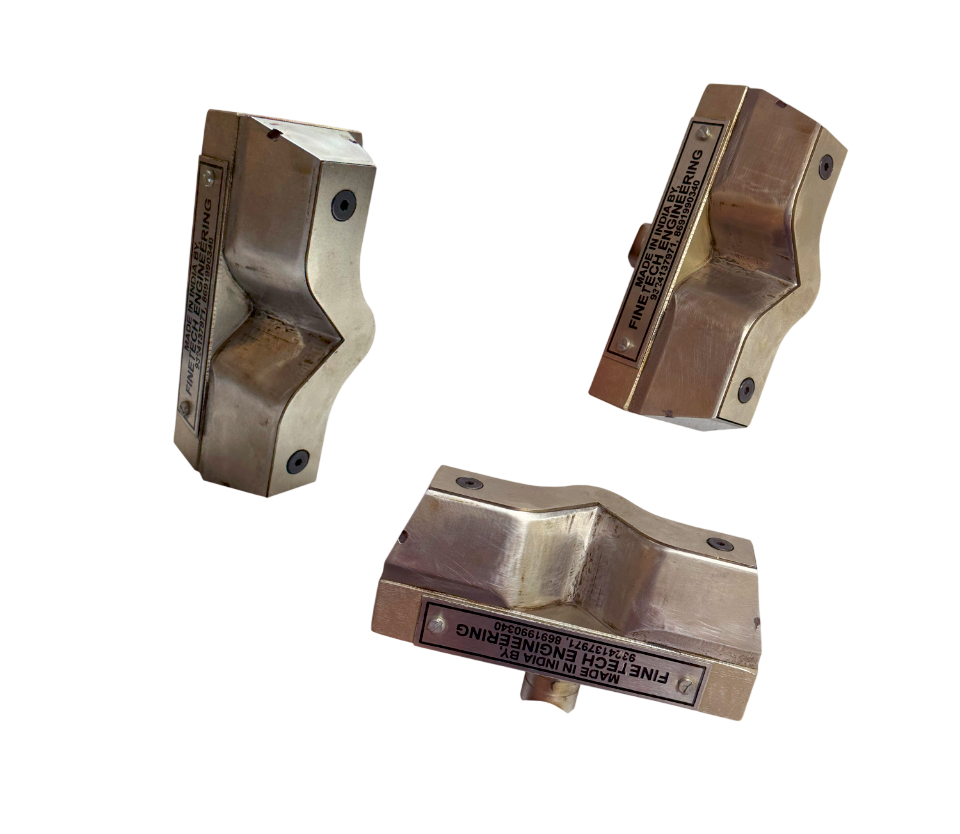
Specimen preparation splits into three broad needs: cutting dumbbell-shaped tensile specimens, cutting notched or angled tear-test specimens, and moulding rubber compounds into standard test slabs before cutting. As a specimen cutter supplier Maharashtra plants have used since 2023, we manufacture dedicated cutters for each of these needs – rather than a single generic tool trying to do all three – because specimen accuracy depends on a cutter built to the exact geometry of one standard.
Our factory in Thane sits at the centre of the specimen cutter manufacturer Thane-Navi Mumbai-Pune MIDC belt, meaning same-week delivery and installation support across Wagle Estate, Taloja and Bhiwandi, and short lead times to Pimpri-Chinchwad and Pune MIDC. NABL traceable specimen cutter Maharashtra dimensional certification is available on every cutter, supporting labs that need to demonstrate specimen-preparation traceability during NABL audits.
Tip: Most Maharashtra rubber and plastics labs start with a dumbbell cutter (for tensile testing) and a tear cutter (for tear-resistance testing) – the two specimen shapes required by the majority of ASTM and ISO physical-property standards. Round, crescent and rectangle cutters and moulding sets are added as the lab’s test scope expands to cover additional standards or customer specifications.
ASTM D412 vs ISO 37 dumbbell cutter is one of the most common questions we get from Maharashtra rubber and plastics labs ordering their first dumbbell cutter. Both standards test the same property – tensile strength and elongation of rubber – using a dumbbell-shaped specimen. The ASTM D412 vs ISO 37 dumbbell cutter difference comes down to specimen geometry – narrow section width, overall length and gauge length are all different between the two standards, as shown below:
Feature | ASTM D412 (Die C) | ISO 37 (Type 2) |
Overall length | 115 mm | 75 mm (approx., per die type) |
Narrow section width | 6.0 mm | 4.0 mm |
Narrow section length | 33 mm | 20 mm |
Gauge length (for elongation) | 25 mm | 20 mm |
Typical use | US-origin specifications, many Indian domestic and export standards referencing ASTM | European and international OEM specifications, ISO-referencing customer standards |
Cutter needed | Dedicated ASTM D412 Die C dumbbell cutter | Dedicated ISO 37 Type 2 dumbbell cutter (different blade geometry) |
The critical point in the ASTM D412 vs ISO 37 dumbbell cutter comparison is that these are two different cutters, not one adjustable tool – the blade geometry, narrow-section width and overall length are all different, so a cutter built to one standard cannot correctly produce specimens to the other. Maharashtra labs supplying both domestic customers (typically ASTM D412) and export or multinational OEM customers (often ISO 37) frequently keep one of each cutter on hand.
Note: Always confirm which specimen die type your customer specification calls for before ordering – ASTM D412 alone covers multiple die types (A, B, C, D), each with different dimensions. Quote us the exact die designation from your specification and we will supply the matching cutter.
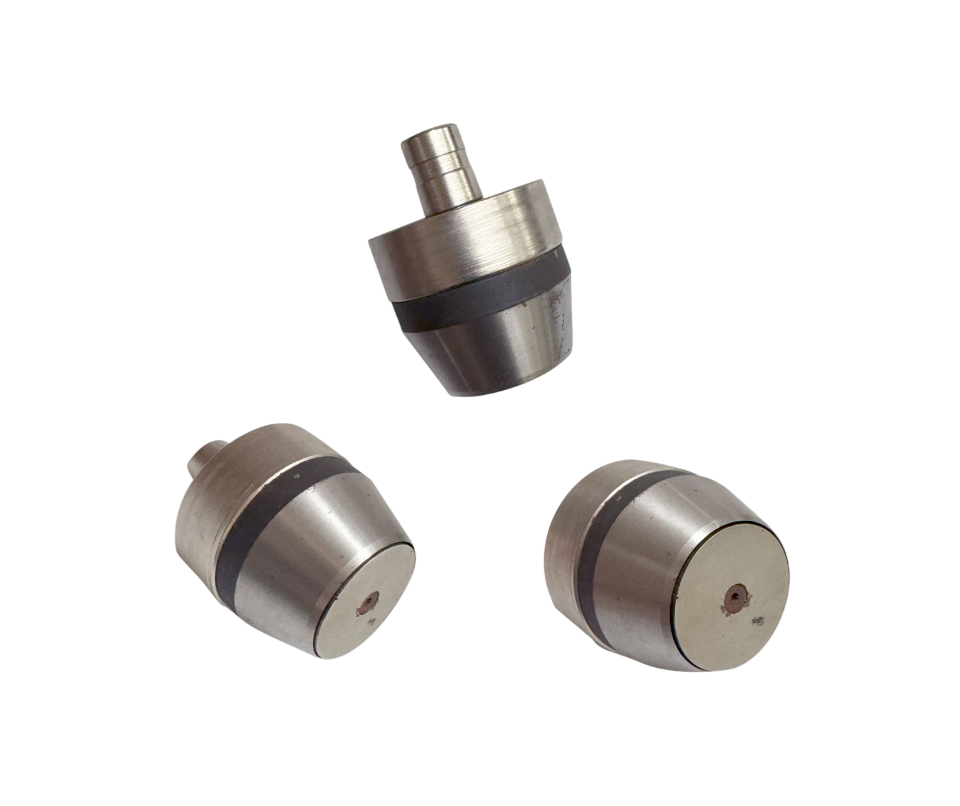
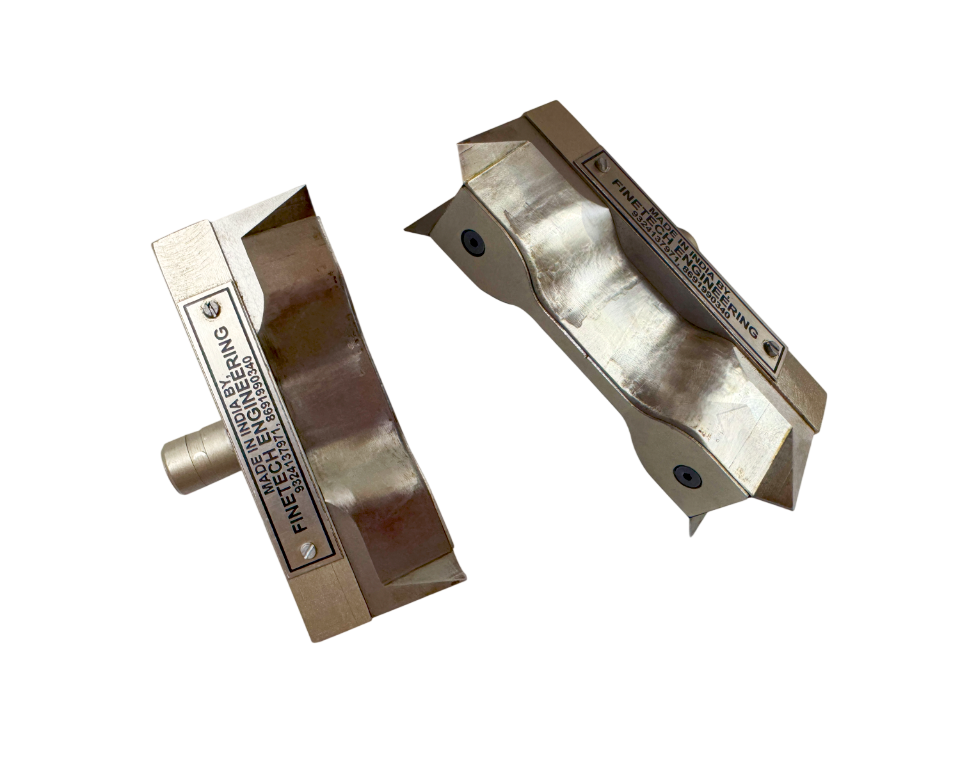
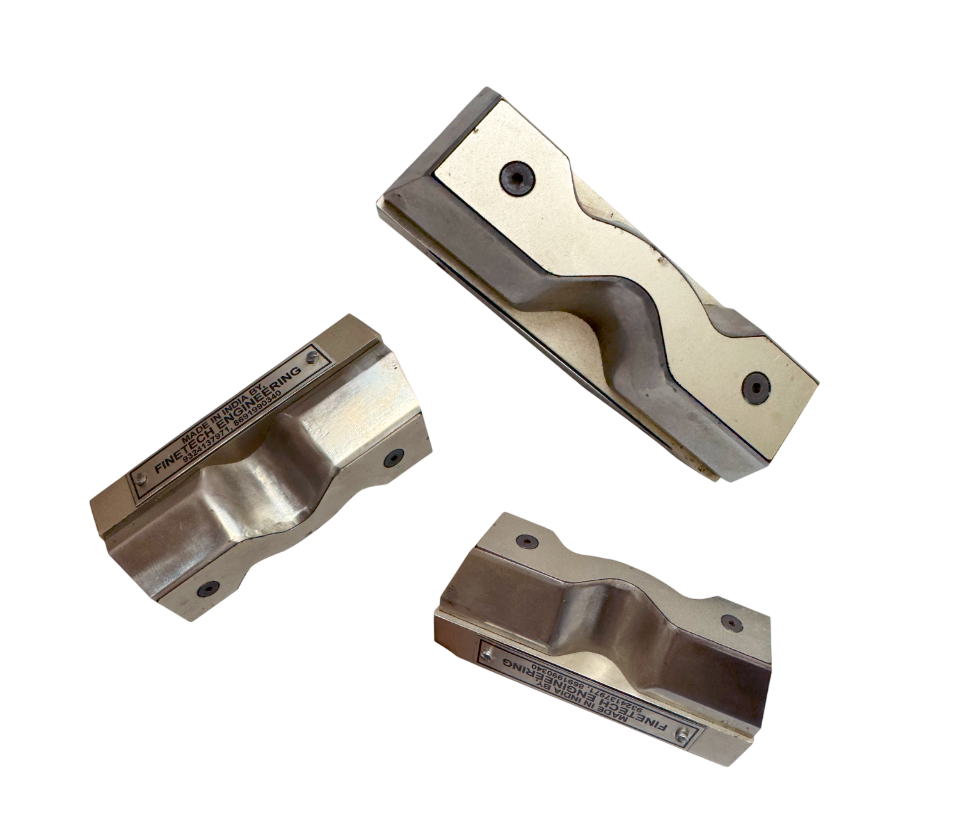
Specimen cutter types explained – here is the full range Finetech Engineering manufactures, and which test each one prepares specimens for:
Cutter Type | Specimen Shape | Prepares Specimens For | Governing Standards |
Dumbbell / dog-bone (narrow waisted strip) | Tensile strength, elongation at break, modulus | ASTM D412, ISO 37 | |
Crescent, angle, or trouser-shaped | Tear resistance testing | ASTM D624, ISO 34-1 | |
Circular disc | Compression set, hardness, general disc-shaped specimens | ASTM D395, ASTM D2240 | |
Crescent-shaped (curved) tear specimen | Tear strength testing (Die B / crescent method) | ASTM D624 (Die B), ISO 34-1 | |
Rectangular strip | Flexural, tear, and general strip-shaped specimens | Varies by application – ASTM D790, ASTM D1004 | |
Standard slabs / plaques (pre-cutting) | Moulding raw rubber compound into a test slab before dumbbell, tear or round cutting | ASTM D3182, ISO 23529 (compression moulding) |
Each cutter is a dedicated tool with a fixed blade geometry matched to one specimen shape and standard – this is what makes the cut repeatable from specimen to specimen and from batch to batch, which is essential for valid comparative test results.
How to cut tear test specimens correctly is a common training question for new lab technicians in Maharashtra’s rubber testing facilities. Tear testing (ASTM D624 or ISO 34-1) uses one of several specimen shapes – most commonly the crescent (Die B) or angle (Die C) shape – and the cutting procedure matters as much as the testing machine itself:
Step | What to Do |
1. Prepare the sheet | Start from a moulded rubber sheet of uniform thickness (typically 1.9-2.0 mm for ASTM D624). Uneven thickness will bias the tear result. |
2. Position the cutter | Place the tear cutter (crescent or angle die) squarely on the sheet, away from the sheet edge and any visible defects, air bubbles or contamination. |
3. Cut with a single stroke | Apply firm, even pressure in a single press – on a hydraulic or manual press, not by hand-rocking the die, which distorts the cut edge and introduces stress concentrations that are not part of the standard specimen. |
4. Inspect the cut edge | Examine the cut edge under magnification for nicks, tears or roughness. A poor-quality cut edge acts as a stress riser and will cause the specimen to fail early, giving an artificially low tear strength result. |
5. Measure thickness | Measure and record the specimen thickness at the narrowest point – tear strength is calculated using this measured thickness, not the nominal sheet thickness. |
6. Condition before testing | Allow the specimen to condition at standard laboratory temperature and humidity for the time specified in ASTM D624 / ISO 34-1 before testing on the UTM. |
Tip: A sharp, well-maintained tear cutter is the single biggest factor in tear-test repeatability. A dull or nicked blade produces a rough cut edge, which introduces stress concentrations unrelated to the material itself – this is the most common cause of unexplained scatter in tear-test results. Have your cutter blade inspected and re-sharpened or replaced periodically as part of routine lab maintenance.
As a specimen cutter supplier Maharashtra testing labs have used since 2023, Finetech Engineering manufactures the following specimen-preparation range. Our test specimen moulds Maharashtra rubber compounders use most are built to ASTM D3182 and ISO 23529, producing standard slabs ready for dumbbell, tear or round cutting:
| Product | Specimen Prepared | Governing Standards |
| Dumbbell Cutter | Dumbbell / dog-bone tensile specimen | ASTM D412 (Die A/B/C/D), ISO 37 (Type 1/2/3) |
| Tear Cutter | Crescent, angle or trouser tear specimen | ASTM D624, ISO 34-1 |
| Round Cutter | Circular disc specimen | ASTM D395, ASTM D2240 |
| Crescent Cutter | Crescent-shaped tear specimen (Die B) | ASTM D624 (Die B), ISO 34-1 |
| Rectangle Cutter | Rectangular strip specimen | ASTM D790, ASTM D1004 |
| Test Specimen Moulds | Standard compression-moulded slabs / plaques | ASTM D3182, ISO 23529 |
We dispatch from our Thane factory across Maharashtra’s testing-lab corridor: Wagle Estate Thane, Taloja MIDC, Bhiwandi, Pimpri-Chinchwad, Pune MIDC, Chakan and Talegaon. As a specimen cutter manufacturer Maharashtra labs have relied on, we also provide blade inspection, re-sharpening and replacement to keep your specimen preparation consistent over time.
Manufacturer, not a trader. Every cutter is designed, precision-ground and dimensionally verified at our Wagle Estate, Thane factory – not resold from another manufacturer.
ISO 9001 certified. ISO 9001 specimen cutter Maharashtra standard is what we hold – our manufacturing is ISO 9001:2015 certified and our equipment is CE marked.
NABL-traceable dimensional certification. NABL traceable specimen cutter Maharashtra – cutter dimensions verified and certified against the governing ASTM/ISO specification, supporting NABL-accredited lab audits.
Built for Maharashtra’s testing labs. Our factory in Thane sits at the centre of the specimen cutter manufacturer Thane-Navi Mumbai-Pune MIDC belt, with same-week delivery across Wagle Estate, Taloja and Bhiwandi, and short lead times to Pimpri-Chinchwad and Pune MIDC.
Precision blade geometry. Every cutter is built to the exact specimen dimensions of its governing standard – not an approximate or generic shape – because specimen accuracy is the foundation of every test result that follows.
Re-sharpening and replacement support. We offer blade re-sharpening and replacement service to keep your cutters producing clean, repeatable specimen edges.


















All Equipments & specimen preparation products can be customised as per requirements.
ASTM D412 vs ISO 37 dumbbell cutter - both prepare a dumbbell-shaped tensile specimen, but the dimensions differ. ASTM D412 Die C produces a specimen 115 mm long with a 6.0 mm narrow section and 25 mm gauge length. ISO 37 Type 2 produces a shorter specimen (approximately 75 mm) with a 4.0 mm narrow section and 20 mm gauge length. These are two distinct cutters with different blade geometry - a cutter built for one standard cannot correctly produce specimens for the other. Confirm which standard your customer specification cites before ordering.
Specimen cutter types explained: we manufacture a dumbbell cutter (tensile specimens, ASTM D412 / ISO 37), a tear cutter (crescent, angle or trouser tear specimens, ASTM D624 / ISO 34-1), a round cutter (circular disc specimens for compression set and hardness), a crescent cutter (curved tear specimens, ASTM D624 Die B), a rectangle cutter (strip specimens for flexural and other tests), and test specimen moulds (for compression-moulding rubber compound into standard slabs before cutting).
How to cut tear test specimens correctly: start from a uniform-thickness moulded sheet, position the tear cutter squarely away from sheet edges or defects, apply a single firm press on a hydraulic or manual press (never hand-rock the die), inspect the cut edge for nicks or roughness, measure the actual specimen thickness at its narrowest point, and condition the specimen at standard temperature and humidity before testing per ASTM D624 or ISO 34-1.
We are a manufacturer. As a specimen cutter manufacturer Maharashtra labs have used since 2023, every cutter is designed, precision-ground and dimensionally verified in-house at our Wagle Estate, Thane facility - not purchased from another manufacturer and resold.
Yes. We hold ISO 9001 specimen cutter Maharashtra certification - our manufacturing is ISO 9001:2015 certified and our equipment is CE marked. We also provide NABL traceable specimen cutter Maharashtra dimensional certification, verifying cutter dimensions against the governing ASTM/ISO specification - useful documentation for NABL-accredited lab audits.
We deliver and support across the full specimen cutter manufacturer Thane–Navi Mumbai–Pune MIDC belt: Wagle Estate Thane, Taloja MIDC, Bhiwandi, Pimpri-Chinchwad, Pune MIDC, Chakan and Talegaon. Dispatch is direct from our Thane factory.
Yes. We offer inspection, re-sharpening and blade replacement service to keep your specimen cutters producing clean, repeatable cuts - a dull or nicked blade is one of the most common causes of unexplained scatter in tensile and tear test results.