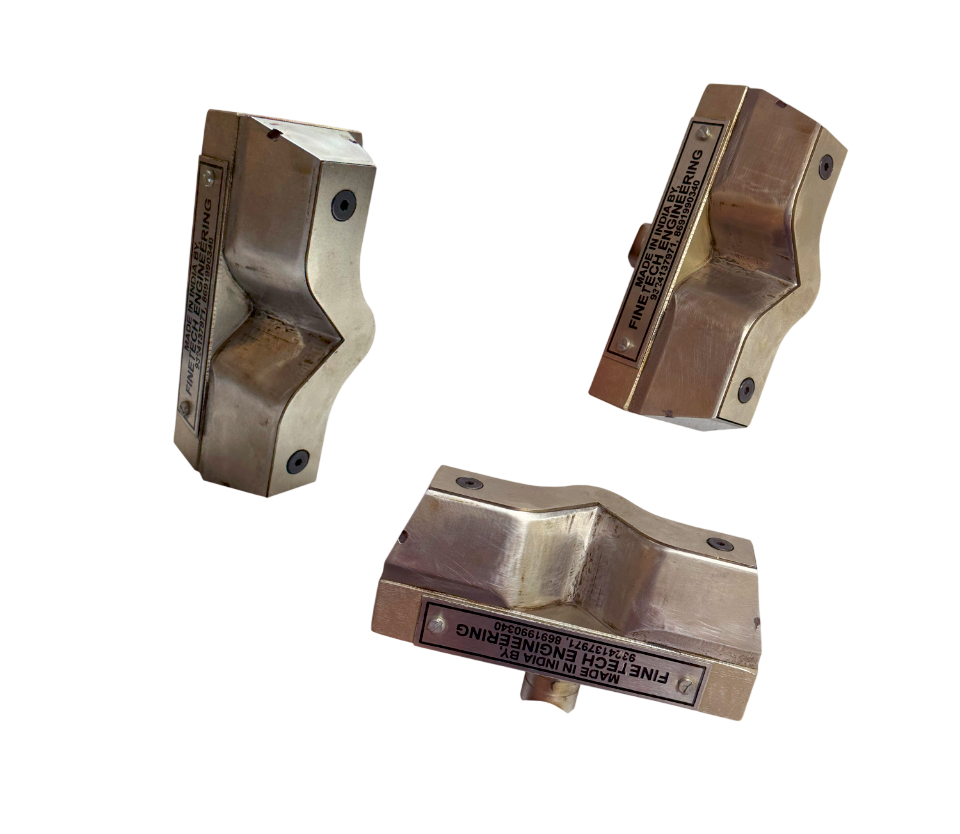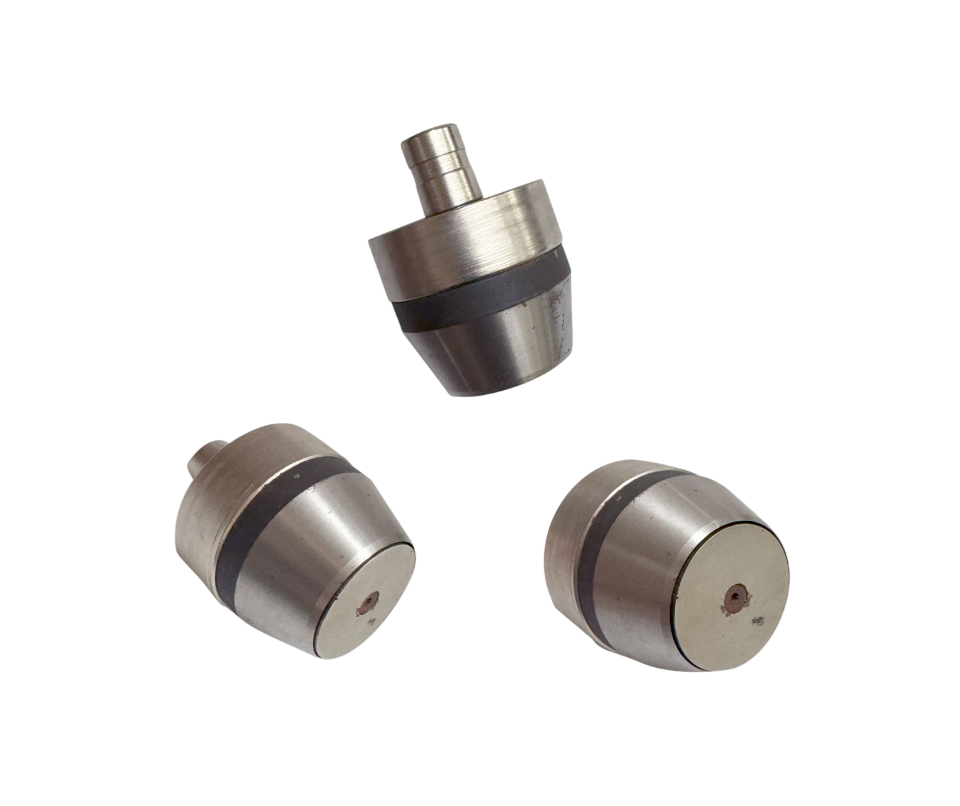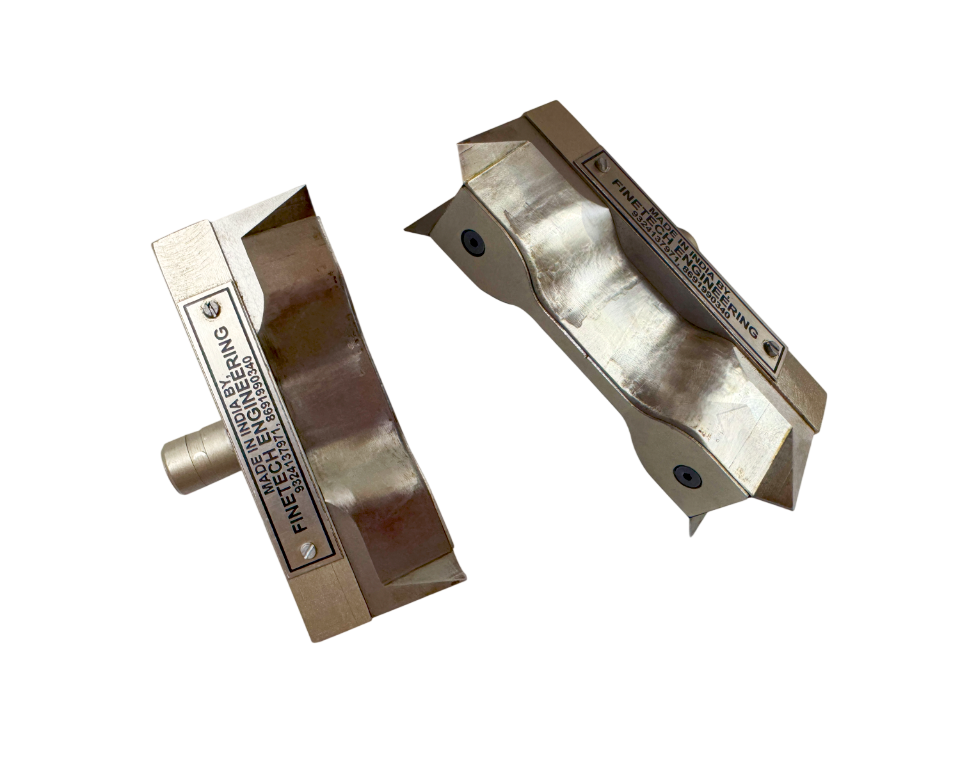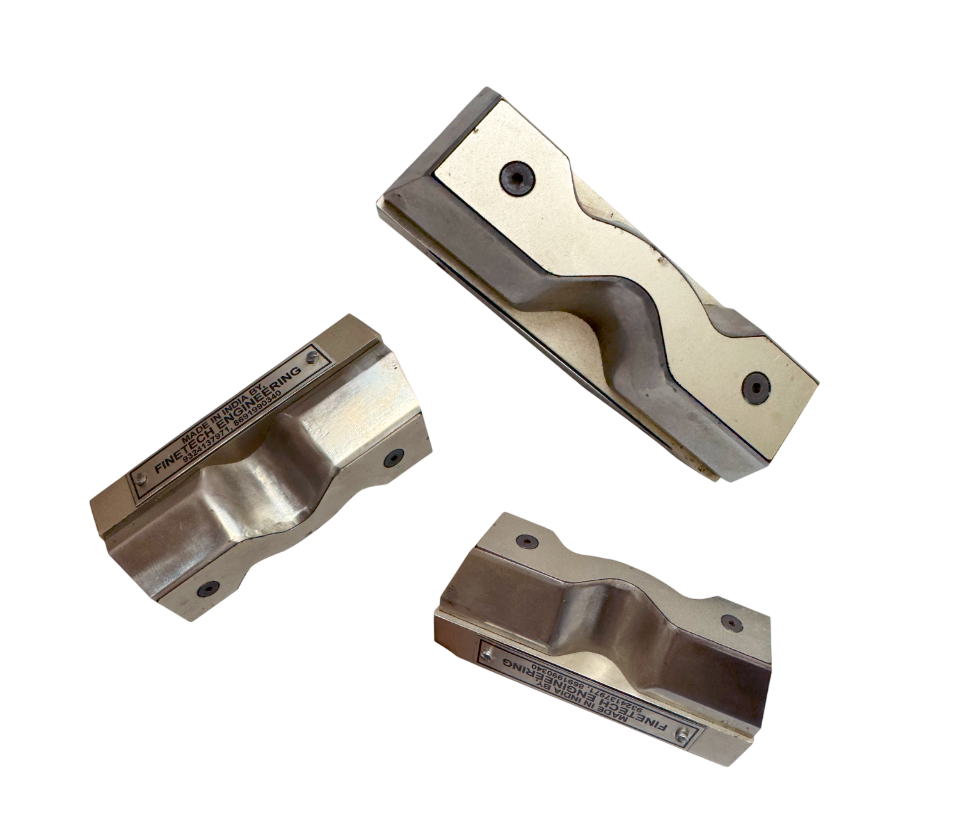







Tamil Nadu’s rubber, tyre manufacturing, auto component and plastics industries – concentrated around Chennai, Oragadam, Sriperumbudur and Coimbatore – all depend on correctly prepared test specimens as the starting point for every mechanical test that follows. A tensile test, a tear test, a compression set test or a flexural test is only as accurate as the specimen cut for it. Finetech Engineering is a specimen cutter manufacturer Tamil Nadu testing labs turn to because every cutter we build is dimensionally verified against its governing ASTM or ISO specification before it leaves our Wagle Estate, Thane factory.
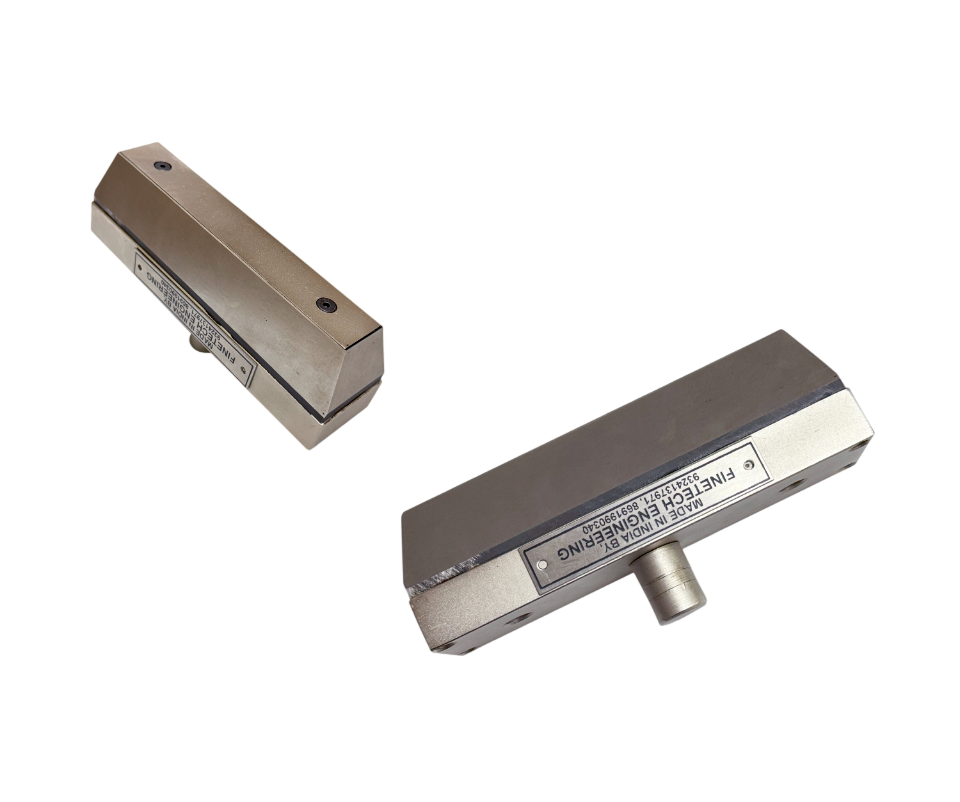
As a specimen cutter supplier Tamil Nadu rubber, tyre and auto-component testing labs have used since 2023, we manufacture dedicated cutters for each specimen shape a Tamil Nadu lab is likely to need – the Round Cutter Tamil Nadu labs order most for compression set and hardness disc specimens, alongside dumbbell cutters for tensile testing, tear cutters for tear-resistance testing, and rectangle cutters for flexural and strip specimens.
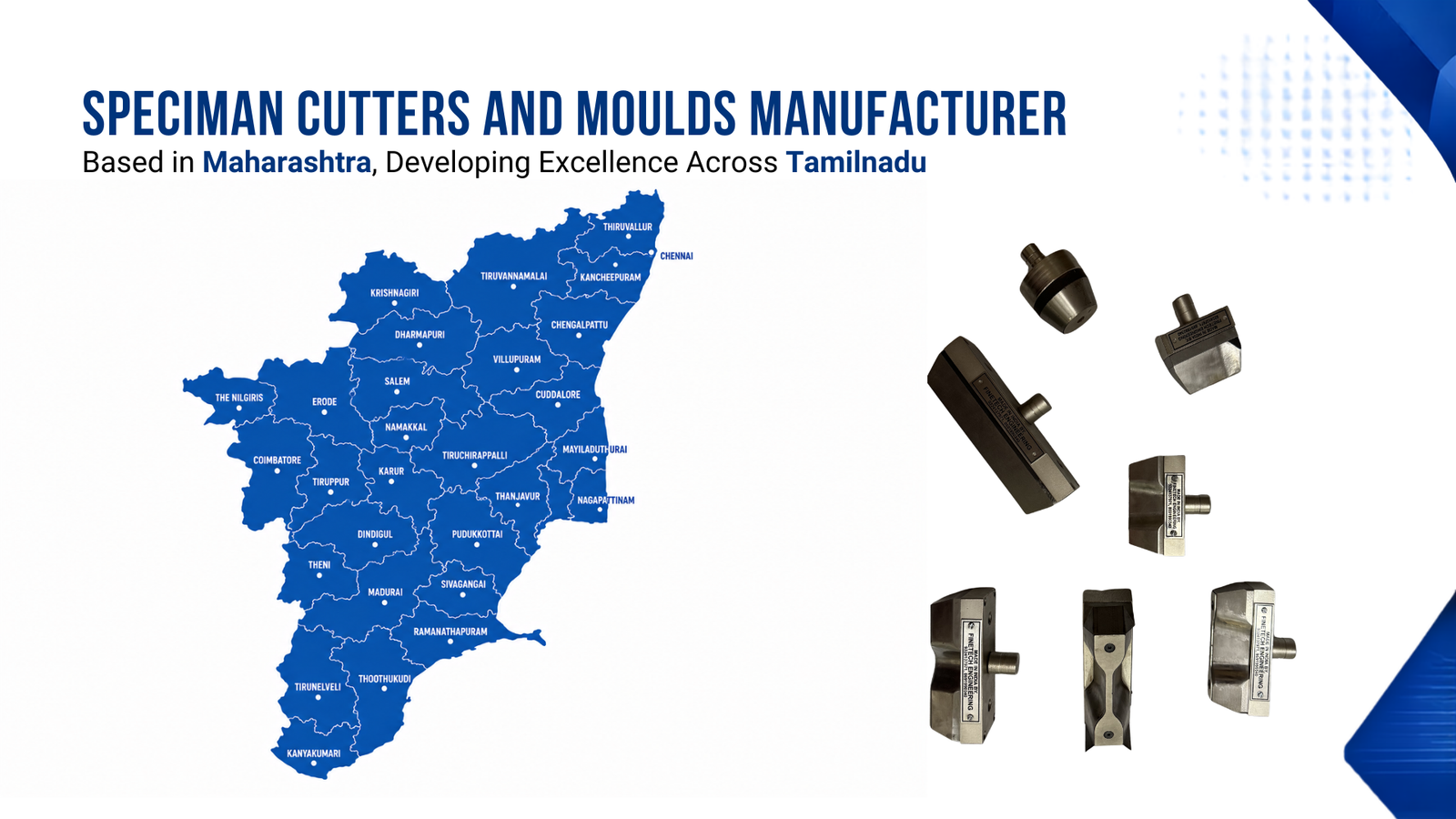
Our factory in Thane dispatches across the specimen cutter manufacturer Chennai-Oragadam-Coimbatore industrial belt, with regular scheduled delivery routes to Chennai, Oragadam, Sriperumbudur and Coimbatore. NABL traceable specimen cutter Tamil Nadu dimensional certification is available on every cutter, supporting labs that need to demonstrate specimen-preparation traceability during NABL audits.
Tip: Tamil Nadu’s tyre and rubber component labs typically need a round cutter (compression set discs, hardness specimens) and a tear cutter (ASTM D624 tear specimens) as their first two purchases, since compression set and tear resistance are two of the most frequently specified tests for tyre and automotive rubber components. Dumbbell and rectangle cutters are usually added next as tensile and flexural testing scope expands.
Round vs rectangle specimen cutter which to use is a common question for Tamil Nadu labs ordering their second or third specimen cutter, once they already have a dumbbell cutter for tensile testing. The right shape depends entirely on which test you are preparing a specimen for:
Feature | Round Cutter | Rectangle Cutter |
Specimen shape produced | Circular disc, fixed diameter | Rectangular strip, fixed width and length |
Primary tests served | Compression set (ASTM D395), hardness (ASTM D2240) | Flexural strength (ASTM D790), general strip specimens for tear or die-cutting (ASTM D1004) |
Why this shape is needed | Compression set testing requires a disc that sits evenly between two parallel compression plates – a rectangular piece would not load evenly | Flexural testing requires a specimen supported at two points with a load applied at the centre – a bar or strip shape is needed to span the supports correctly |
Typical Tamil Nadu use | Tyre and auto-component rubber compound compression-set QC, hardness sample preparation | Plastics flexural testing, general-purpose strip specimens for various in-house test methods |
Common cutter sizes | Standard diameters per ASTM D395 (e.g. 29 mm, 13 mm discs, depending on button size specified) | Standard widths and lengths per ASTM D790 (e.g. 12.7 mm × 127 mm bars, varies with specimen depth) |
The round vs rectangle specimen cutter which to use decision is really a decision about which test comes next in your lab’s scope. If you are adding compression set or hardness testing, you need a round cutter. If you are adding flexural testing (common in Tamil Nadu’s plastics and auto-component labs) or need general rectangular strips for in-house methods, you need a rectangle cutter. Many labs eventually own both, alongside the dumbbell and tear cutters.
Tear resistance specimen preparation what to get right involves more decisions than just “which cutter to use” – correct preparation starts before the cutter even touches the sheet. For Tamil Nadu’s tyre and rubber component labs running tear testing to ASTM D624, here are the preparation factors that most affect result validity:
ASTM D624 cutter guide die types A B C explained – ASTM D624 defines three tear-test specimen die types, and choosing the correct one for your rubber compound and application is essential. Here is a reference guide to all three:
Die Type | Specimen Shape | Notch | Best Suited For |
Die A | Unnicked 90° angle specimen | No notch – relies on the sharp internal angle as the tear-initiation point | General-purpose tear testing across a broad range of rubber compounds; the most commonly specified die type |
Die B | Crescent-shaped specimen | No notch – the curved geometry concentrates stress at the specimen’s narrowest point | Softer, more extensible rubber compounds where Die A’s angle may not reliably initiate a tear |
Die C | 90° angle specimen with an added nick (notch) | Includes a precisely cut nick at the base of the angle | Harder or stiffer compounds, and applications needing a more controlled, repeatable tear-initiation point |
Tamil Nadu’s tyre and rubber component manufacturers most commonly specify Die A or Die C, since these cover the harder, more structural rubber compounds typical of tyre and automotive applications. Die B is more common for softer, highly extensible rubbers found in some seal and gasket applications. Each die type needs its own dedicated tear cutter – the blade geometry is different for all three, and a cutter built for one die type cannot correctly produce specimens for another.
Note: Always confirm the exact die type (A, B or C) from your customer specification before ordering a tear cutter. Tear strength results from different die types are not directly comparable – a Die A result and a Die C result on the same material can differ substantially, since the notch in Die C creates a more severe stress concentration than the plain angle in Die A.
As a specimen cutter supplier Tamil Nadu testing labs have used since 2023, Finetech Engineering manufactures the following specimen-preparation range:
| Product | Specimen Prepared | Governing Standards |
| Round Cutter | Circular disc specimen | ASTM D395, ASTM D2240 |
| Dumbbell Cutter | Dumbbell / dog-bone tensile specimen | ASTM D412 (Die A/B/C/D), ISO 37 |
| Tear Cutter | Angle, crescent, or nicked tear specimen (Die A/B/C) | ASTM D624, ISO 34-1 |
| Crescent Cutter | Crescent-shaped tear specimen (Die B) | ASTM D624 (Die B), ISO 34-1 |
| Rectangle Cutter | Rectangular strip specimen | ASTM D790, ASTM D1004 |
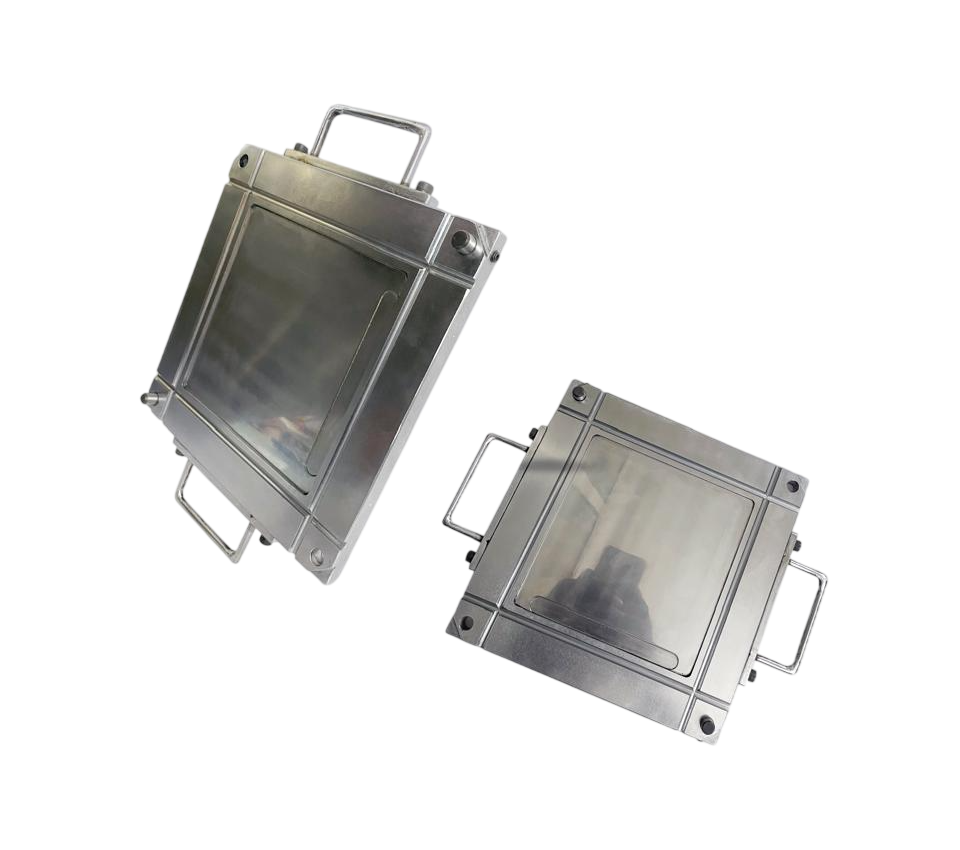
| Test Specimen Moulds | Standard compression-moulded slabs / plaques | ASTM D3182, ISO 23529 |
We dispatch from our Thane factory across Tamil Nadu’s testing-lab corridor: Chennai, Oragadam, Sriperumbudur and Coimbatore. As a specimen cutter manufacturer Tamil Nadu labs have relied on, we also provide blade inspection, re-sharpening and replacement to keep your specimen preparation consistent over time.
Manufacturer, not a trader. Every cutter is designed, precision-ground and dimensionally verified at our Wagle Estate, Thane factory – not resold from another manufacturer.
ISO 9001 certified. ISO 9001 specimen cutter Tamil Nadu standard is what we hold – our manufacturing is ISO 9001:2015 certified and our equipment is CE marked.
NABL-traceable dimensional certification. NABL traceable specimen cutter Tamil Nadu – cutter dimensions verified and certified against the governing ASTM/ISO specification, supporting NABL-accredited lab audits.
Built for Tamil Nadu’s tyre and rubber testing labs. We dispatch across the specimen cutter manufacturer Chennai-Oragadam-Coimbatore industrial belt, with scheduled delivery routes to Chennai, Oragadam, Sriperumbudur and Coimbatore.
Precision blade geometry across all ASTM D624 die types. We manufacture dedicated cutters for Die A, B and C – not a single compromise tool – because specimen accuracy depends on the exact geometry of the die type your specification calls for.
Re-sharpening and replacement support. We offer blade re-sharpening and replacement service to keep your cutters producing clean, repeatable specimen edges.


















All Equipments & specimen preparation products can be customised as per requirements.
The round vs rectangle specimen cutter which to use choice depends on the test. Use a round cutter for compression set specimens (ASTM D395) or hardness discs (ASTM D2240) - these tests need a circular disc that sits evenly between compression plates or under a hardness indenter. Use a rectangle cutter for flexural specimens (ASTM D790) or other general strip-shaped specimens - these tests need a bar or strip that spans two support points.
Tear resistance specimen preparation what to get right depends on several factors beyond just the cutter: selecting the correct ASTM D624 die type (A, B or C) for your material, cutting specimens both with and across the sheet's grain direction if directional data is needed, ensuring uniform sheet thickness within the standard's tolerance, using a single firm press rather than a rocking motion for a clean cut edge, and ensuring notch consistency across the batch if using Die C. Getting any of these wrong introduces scatter unrelated to the material's actual tear resistance.
ASTM D624 cutter guide die types A B C explained: Die A is an unnicked 90° angle specimen, the most common general-purpose tear die. Die B is a crescent-shaped specimen with no notch, suited to softer, more extensible rubber. Die C is a 90° angle specimen with an added nick, giving a more controlled and repeatable tear-initiation point, often used for harder or stiffer compounds. Each die type needs its own dedicated tear cutter, and results between die types are not directly comparable.
We are a manufacturer. As a specimen cutter manufacturer Tamil Nadu labs have used since 2023, every cutter is designed, precision-ground and dimensionally verified in-house at our Wagle Estate, Thane facility - not purchased from another manufacturer and resold.
Yes. We hold ISO 9001 specimen cutter Tamil Nadu certification - our manufacturing is ISO 9001:2015 certified and our equipment is CE marked. We also provide NABL traceable specimen cutter Tamil Nadu dimensional certification, verifying cutter dimensions against the governing ASTM/ISO specification - useful documentation for NABL-accredited lab audits.
We deliver and support across the specimen cutter manufacturer Chennai-Oragadam-Coimbatore industrial belt: Chennai, Oragadam, Sriperumbudur and Coimbatore. Dispatch is from our Thane factory, with scheduled delivery routes covering these areas.