





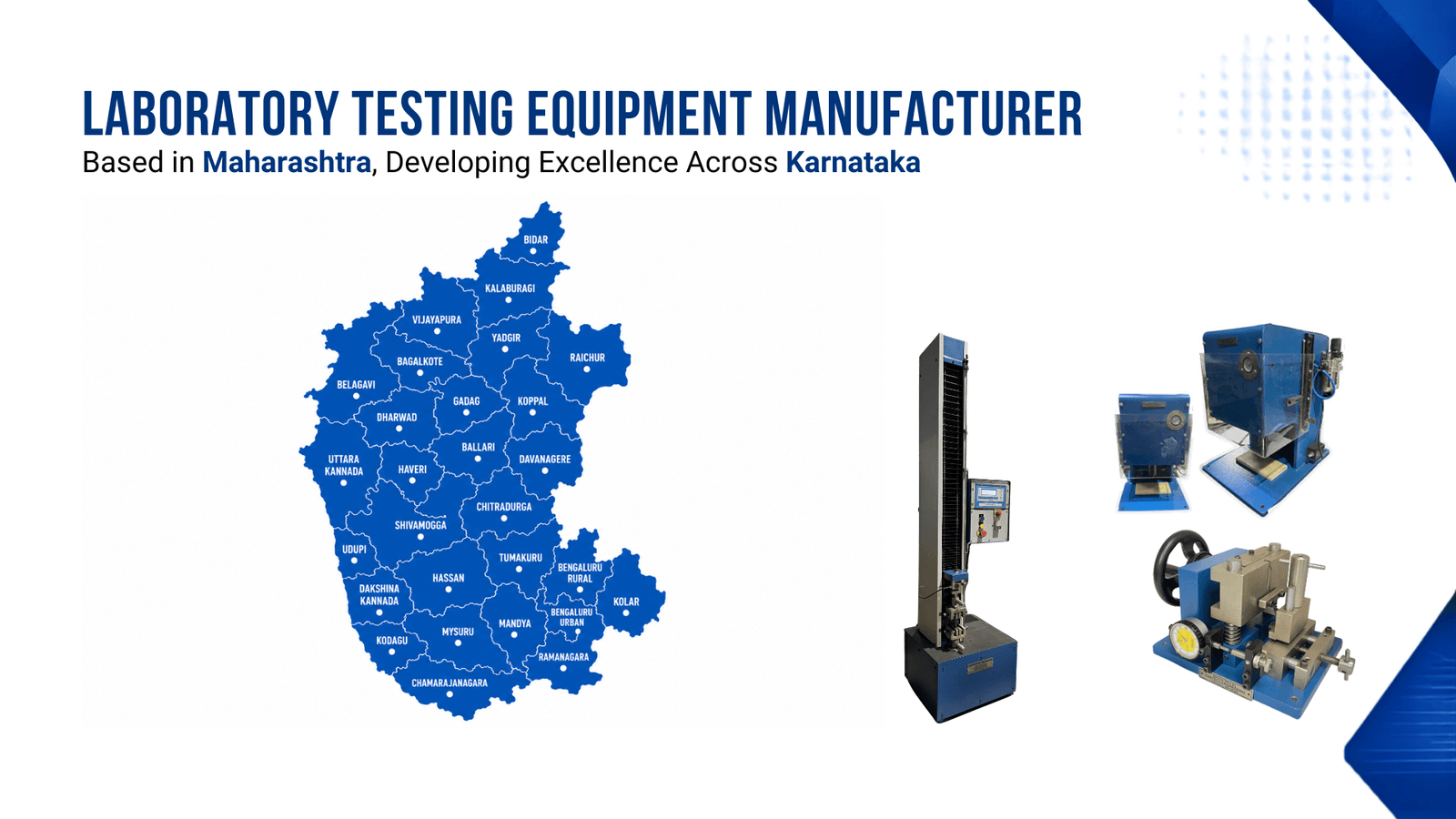
Karnataka’s plastics testing needs are shaped by a distinctive mix of industries concentrated around Bengaluru’s Peenya Industrial Area: electronics manufacturing, automotive components, rubber processing, and general plastics processing. Electronics and auto-component plastics face demanding thermal requirements – connector housings must survive reflow soldering heat, under-bonnet components must resist prolonged engine-bay temperatures – while Karnataka’s plastic pipe manufacturers need long-term environmental durability data most other plastics applications never require. Finetech Engineering is a Plastic Laboratory Testing Equipment manufacturer Karnataka plants have sourced from since 2023, supplying the instruments that answer these distinct requirements from our Wagle Estate, Thane factory.
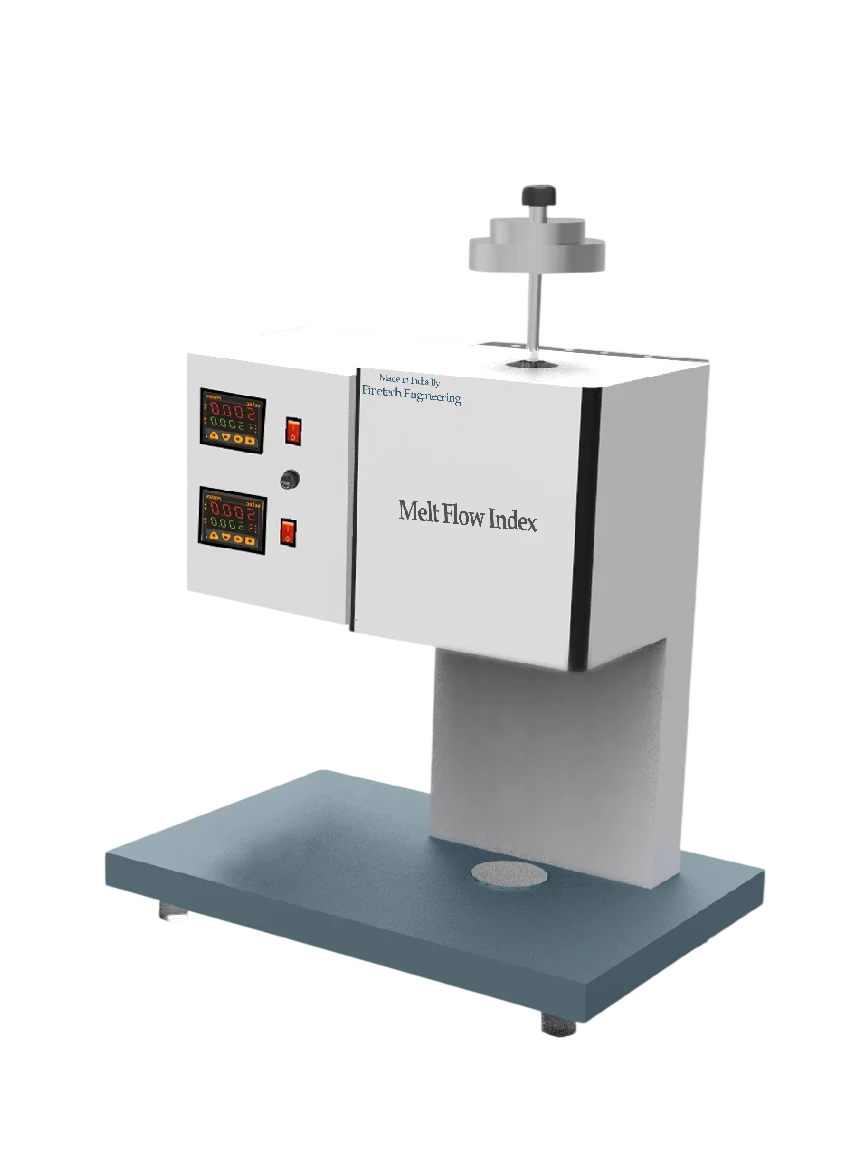
As a Plastic Laboratory Testing Equipment supplier Karnataka plants rely on, the MFI Tester Karnataka plants order most supports incoming-resin QC across all four of Karnataka’s plastics-consuming industries. Alongside MFI testing, HDT/VSP testing qualifies electronics and auto-component resins for thermal stability, and ESCR testing – including the pipe-specific ASTM F1473 method – qualifies PE resins for Karnataka’s plastic piping manufacturers.
We dispatch and install across the Plastic Laboratory Testing Equipment manufacturer Peenya Industrial Area, Bengaluru corridor, with regular scheduled delivery routes covering this belt and the wider Karnataka industrial area. NABL traceable Plastic Laboratory Testing Equipment Karnataka calibration is supplied with every instrument, supporting NABL-accredited labs and OEM supplier-audit requirements.
Tip: Karnataka’s electronics and auto-component manufacturers often specify HDT testing at a higher load (1.82 MPa) than commodity plastics applications, since connector housings and under-bonnet components face genuine structural load combined with heat. Confirm your OEM customer’s specific load requirement before testing – it directly changes the HDT result. An under-bonnet component heat load test HDT automotive suppliers run almost always specifies the higher 1.82 MPa load, since these parts see genuine mechanical stress on top of the engine-bay heat.
What is melt flow index test – at its simplest, the melt flow index (MFI) test measures how easily a thermoplastic resin flows when melted under standard, controlled conditions. It is one of the most widely used tests in plastics processing anywhere in the world, and understanding what the number actually represents helps Karnataka’s electronics, auto-component and plastics processors use it correctly.
The MFI test itself (ASTM D1238) is simple and fast, which is exactly why it is used as a routine incoming-material check rather than a full material characterisation – it flags gross batch-to-batch variability quickly, even though it does not capture the full flow behaviour a resin exhibits during actual high-shear processing.
Note: MFI is a comparative QC number, not a design specification by itself. Two different resin grades with the same MFI can still have very different mechanical properties, since MFI says nothing about molecular weight distribution, additive content, or other factors that affect strength, toughness and thermal performance.
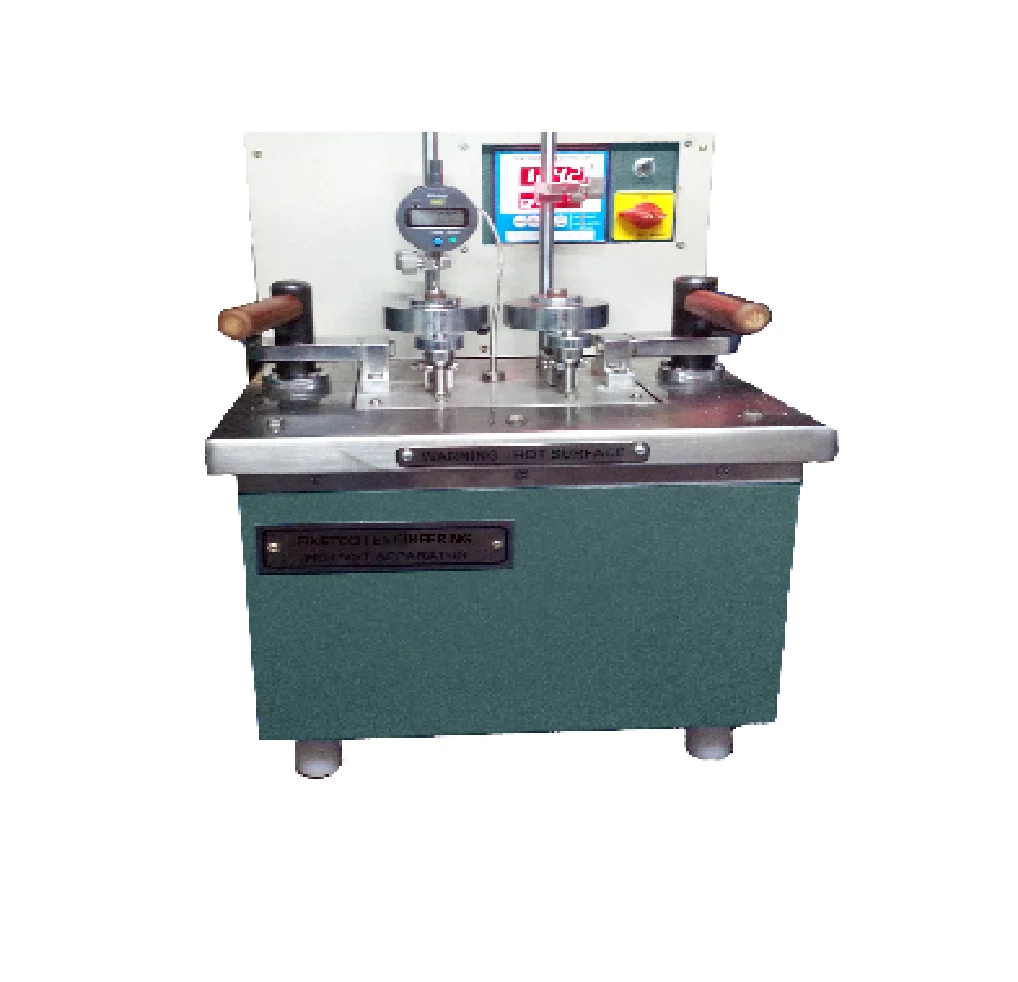
The HDT VSP apparatus difference electronics auto components matters in a very concrete way for Karnataka’s electronics and auto-component manufacturers, since the two tests suit different failure concerns these industries actually face:
Feature | HDT (Heat Deflection Temperature) | VSP (Vicat Softening Point) |
What it measures | Temperature at which a specimen deflects under a bending load | Temperature at which a needle penetrates 1 mm into the surface under load, no bending |
Relevant failure mode | Structural deformation under combined heat and mechanical load | Surface softening and dimensional loss without a structural load |
Electronics relevance | Connector housings and structural plastic parts that must resist warping under reflow-soldering heat while under assembly stress | Less commonly the primary spec for structural electronics housings |
Auto-component relevance | Under-bonnet brackets, housings and structural parts facing combined engine-bay heat and mechanical load | Non-structural trim and surface components where softening, not deflection, is the practical concern |
Typical Karnataka test load/rate | 1.82 MPa (structural components) or 0.455 MPa (less demanding parts), 2°C/min heating | 50°C/h or 120°C/h heating rate, standard needle load |
For Karnataka’s electronics connector and auto-component manufacturers, HDT is generally the more relevant test, since these parts typically face genuine combined heat-and-load conditions – a connector housing under insertion force during reflow, or a bracket under vehicle vibration in a hot engine bay. VSP remains relevant for surface-critical, non-structural components. This connector housing reflow soldering heat resistance test scenario is exactly the combined heat-and-load condition HDT is built to capture, unlike VSP which only measures surface softening without any mechanical load applied.
Note: This HDT/VSP comparison covers the same underlying test methods (ASTM D648 and ASTM D1525) referenced on our other state pages, applied here specifically to Karnataka’s electronics and automotive component context rather than repeated as a general explanation.
ESCR test for plastic pipes ASTM F1473 uses a different, pipe-specific standard than the general environmental stress cracking resistance test used for containers and other moulded parts. For Karnataka’s PE and PP pipe manufacturers, ASTM F1473 – the Notched Constant Ligament Stress (NCLS) test – is the standard most relevant to long-term pipe performance.
Step | What Happens |
1. Specimen preparation | A specimen is cut from pipe wall material and precisely notched around its circumference to a controlled, constant remaining ligament thickness – this is what gives the test its name. |
2. Apply constant stress | The notched specimen is loaded under a constant tensile stress, chosen to represent realistic long-term pipe wall stress under internal pressure. |
3. Immerse in surfactant | The stressed specimen is immersed in a standard surfactant solution at an elevated temperature (commonly 50°C or 80°C), accelerating the stress-cracking mechanism. |
4. Monitor to failure | The specimen is monitored until it fails (fully cracks through) or reaches a defined test-completion time without failure. |
5. Report time-to-failure | The result is reported as the time to failure under the specific stress and temperature condition used – longer time-to-failure indicates better long-term stress-cracking resistance for pipe service. |
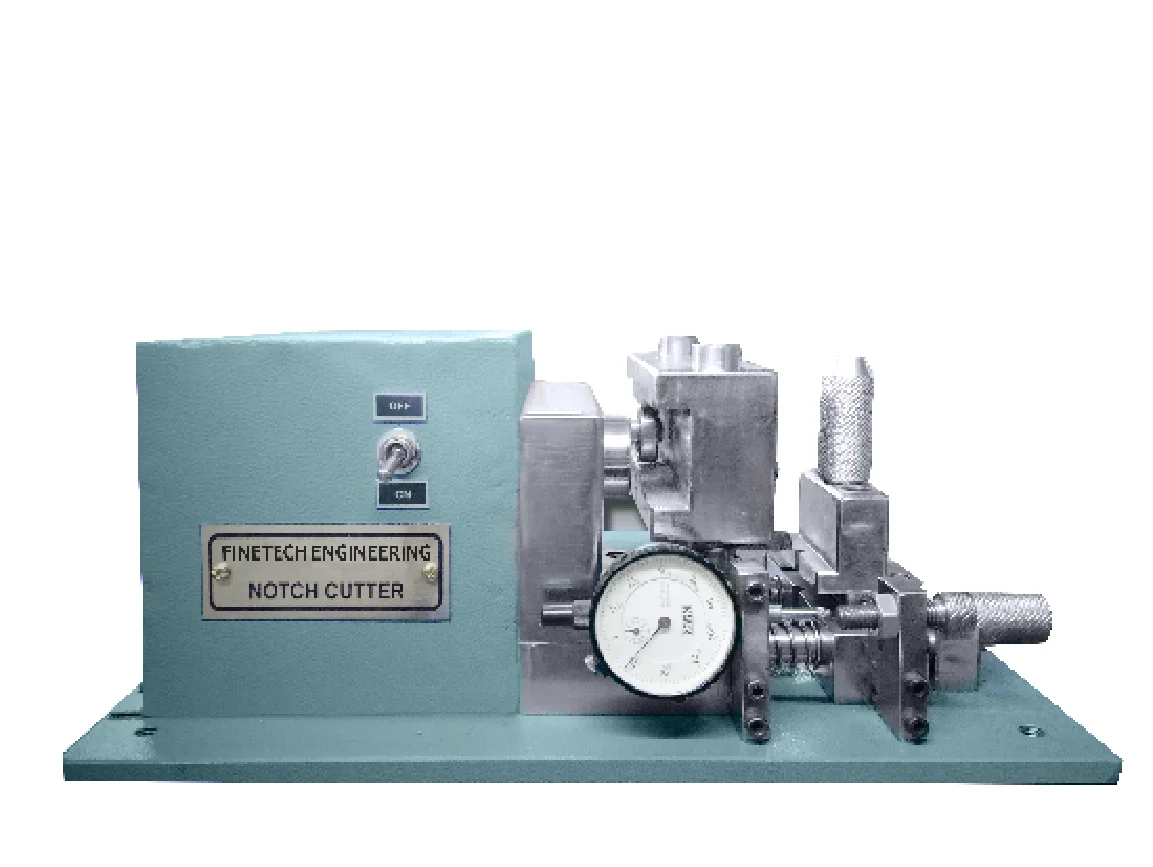
The ESCR test for plastic pipes via ASTM F1473 exists because pipe failure modes differ from container failure modes – a buried or pressurised pipe experiences a genuinely constant, long-term circumferential stress from internal pressure, which the NCLS test is specifically designed to represent. This is different from ASTM D1693, the general bent-strip ESCR method more commonly used for containers, caps and moulded parts. An NCLS notched constant ligament stress test pipe specimen is deliberately notched to a controlled remaining thickness before loading, which is exactly what gives the method its name and makes the crack-initiation point repeatable from specimen to specimen.
Note: Do not substitute ASTM D1693 (bent-strip ESCR, common for containers) for ASTM F1473 (NCLS, specific to pressure pipe) or vice versa – the specimen geometry, stress application method, and what each test is designed to predict are different. Confirm which standard your pipe specification names.
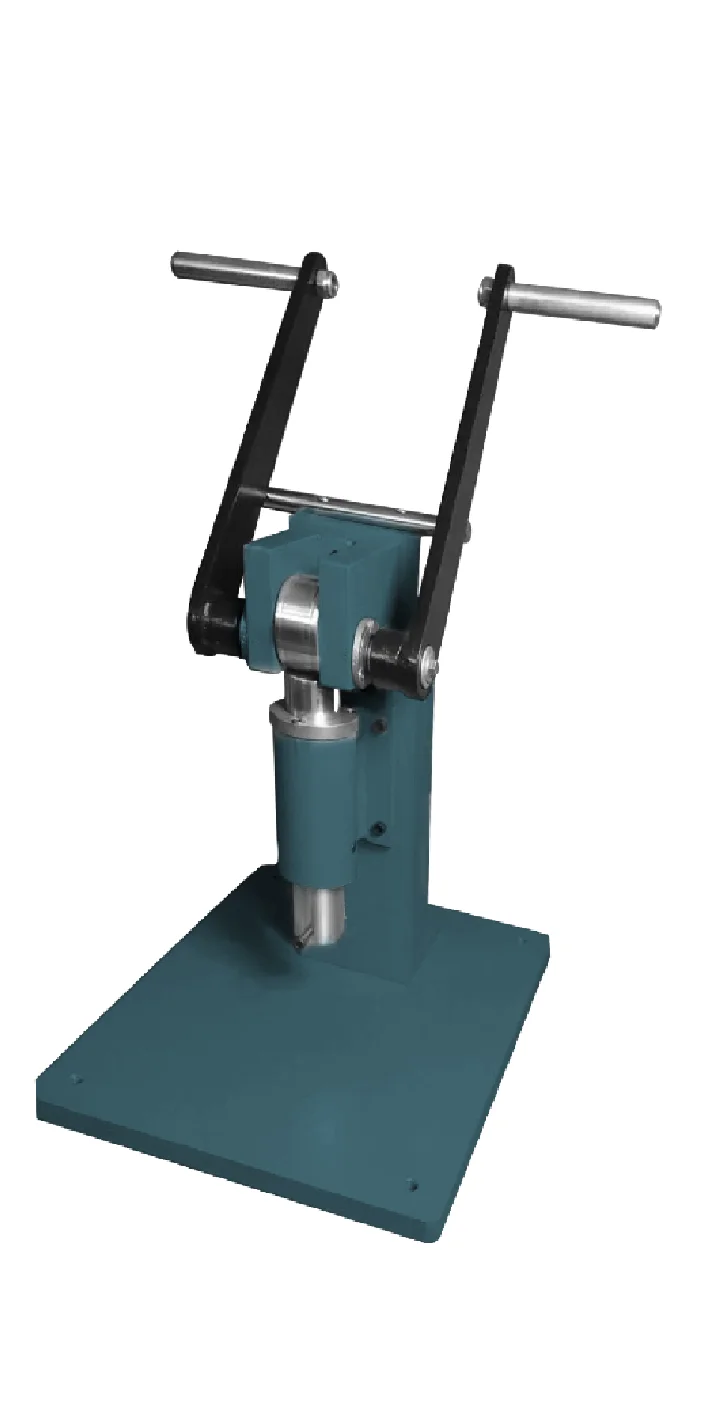
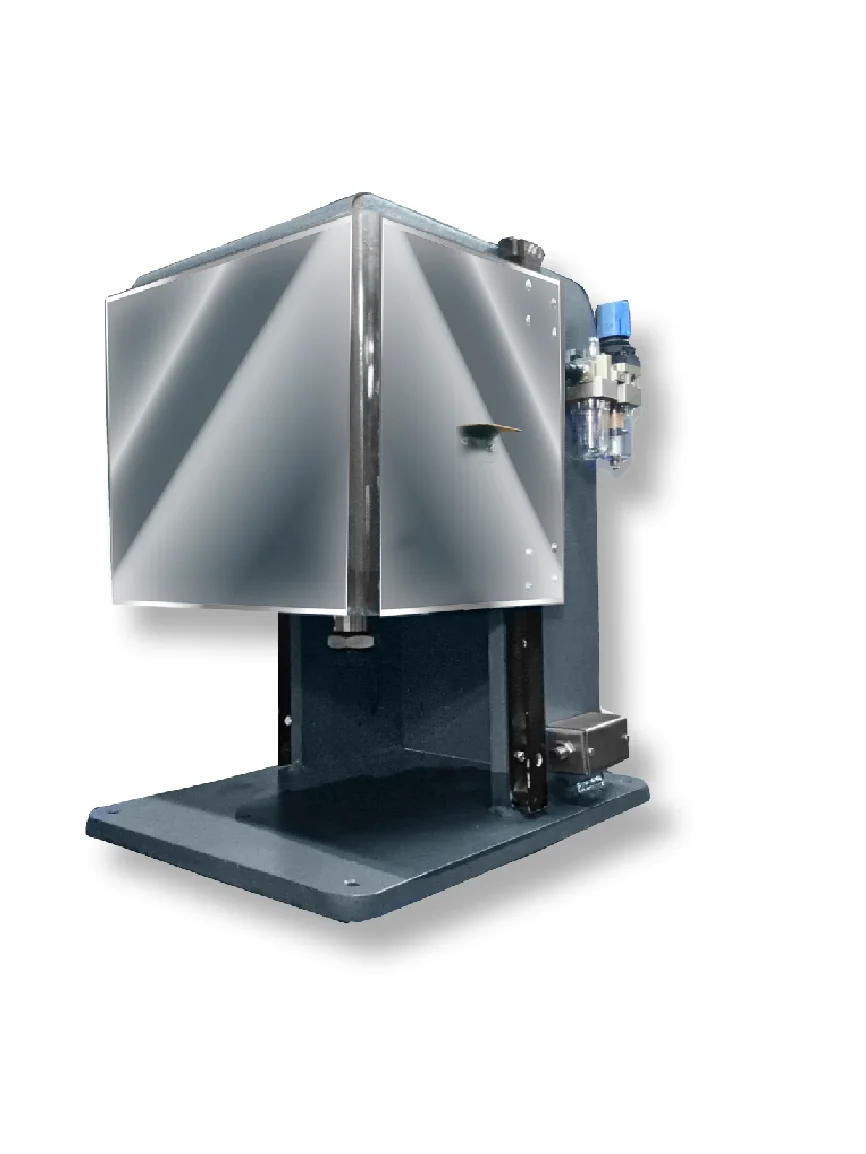
As a Plastic Laboratory Testing Equipment supplier Karnataka plants have used since 2023, Finetech Engineering supplies the following instruments, each built to the named ASTM/UL standard:
| Instrument | What It Tests | Primary Standards | Why Karnataka Plants Need It |
| Melt Flow Index Tester | Melt flow rate of thermoplastics | ASTM D1238, ISO 1133 | Incoming-resin batch QC across electronics, auto and general plastics |
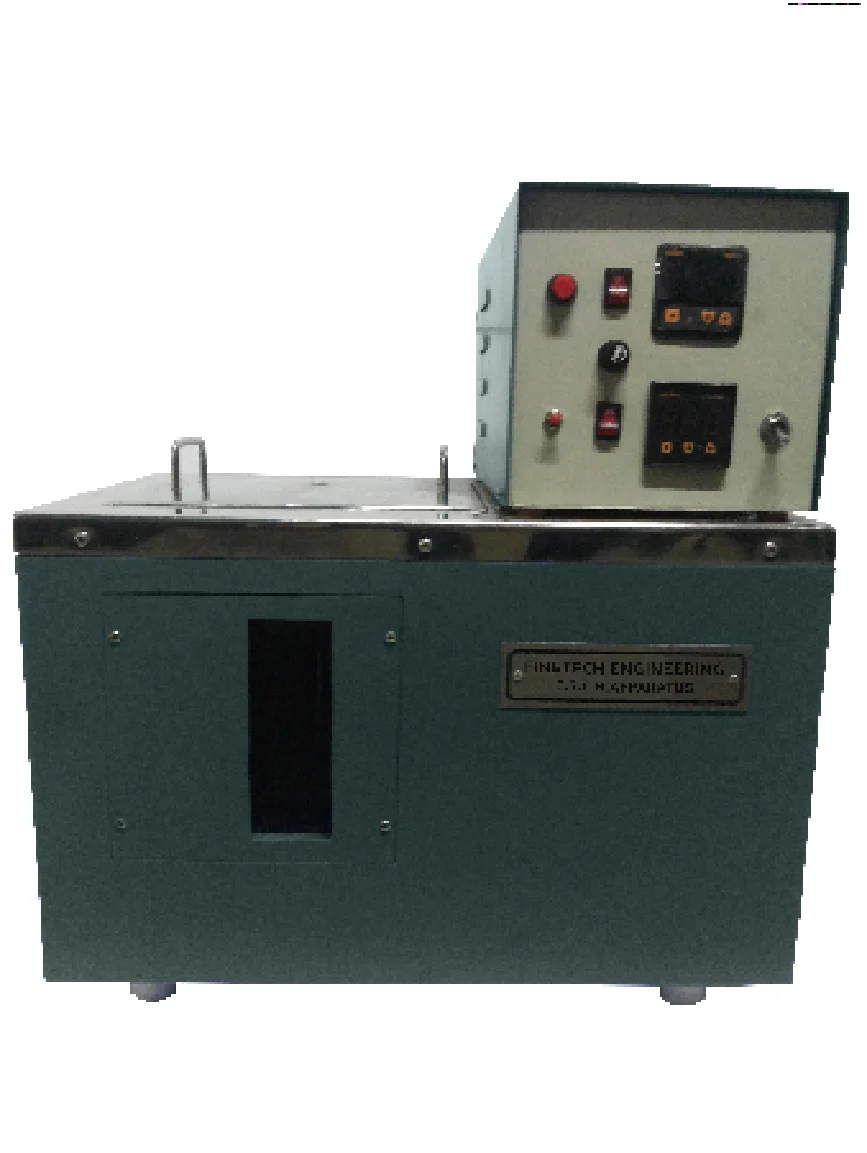
| HDT / VSP Apparatus | Heat deflection temperature & Vicat softening point | ASTM D648, ASTM D1525 | Thermal stability qualification for electronics housings and auto-component parts |
| ESCR Apparatus | Environmental stress cracking resistance of PE | ASTM D1693, ASTM F1473 | Long-term durability qualification for containers and, via NCLS, pressure pipe |
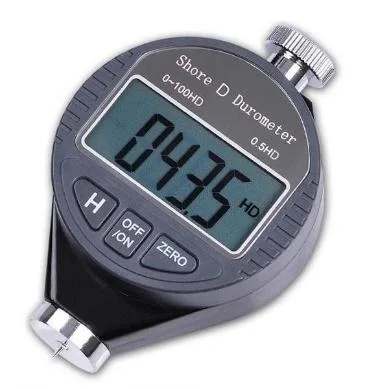
| Shore D Hardness Tester | Indentation hardness of rigid plastics | ASTM D2240, IS 3400 | Final-part QC on moulded electronics and auto components |
| Flammability Tester | UL 94 horizontal & vertical burning classification | UL 94, ASTM D635 | Required for electronics enclosures and connector housings |
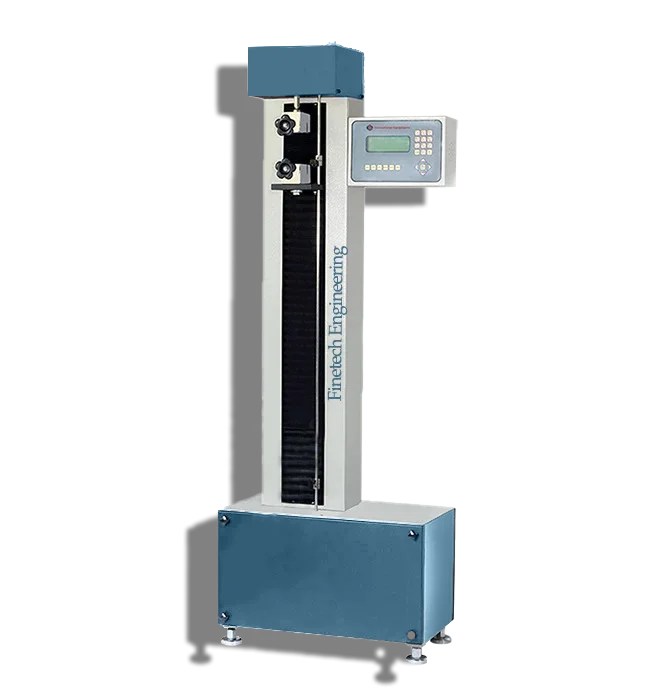
| Universal Testing Machine (UTM) | Tensile strength, elongation & flexural properties | ASTM D638, ASTM D790 | Fundamental mechanical property testing across all plastic grades |
We dispatch from our Thane factory and deliver directly to the Peenya Industrial Area of Bengaluru, as well as the wider Karnataka industrial belt. As a Plastic Laboratory Testing Equipment manufacturer Karnataka plants have relied on, our team handles installation, calibration, operator training and ongoing AMC support.
Manufacturer, not a trader. Every instrument is designed, built and calibrated in our Wagle Estate, Thane factory. You deal directly with the maker – no dealer mark-up, no second-hand specifications.
ISO 9001 certified. ISO 9001 Plastic Laboratory Testing Equipment Karnataka standard is what we hold – our manufacturing is ISO 9001:2015 certified and our equipment is CE marked.
NABL-traceable calibration. NABL traceable Plastic Laboratory Testing Equipment Karnataka – calibration certificates traceable to national measurement standards, supporting NABL-accredited labs and OEM supplier audits.
Built for Karnataka’s electronics and auto-component sector. Our MFI, HDT/VSP and ESCR instruments cover the qualification tests Karnataka’s OEM customers specify most, serving the Plastic Laboratory Testing Equipment manufacturer Peenya Industrial Area, Bengaluru belt directly.
Built to specific standards. ASTM D1238, ASTM D648, ASTM D1525, ASTM F1473, UL 94 – with IS/BIS methods supported alongside ASTM, so your Karnataka lab stays audit-ready.
Installation, calibration and AMC. We commission, train operators and provide annual maintenance contracts across Karnataka.


















All Equipments & specimen preparation products can be customised as per requirements.
What is melt flow index test - it measures how easily a thermoplastic resin flows when melted, under one fixed, standardised temperature and load, per ASTM D1238. It is a fast, practical QC indicator rather than a fundamental material property: a resin batch with an MFI outside its qualified range will not process consistently, even though MFI alone does not capture the full picture of a resin's mechanical properties or high-shear flow behaviour.
HDT VSP apparatus difference electronics auto components for Karnataka's electronics and auto-component context: HDT (ASTM D648) measures deflection under a bending load and is the more relevant test for structural parts facing combined heat and mechanical stress - connector housings under reflow heat, under-bonnet brackets. VSP (ASTM D1525) measures surface softening under a needle load with no bending, more relevant to non-structural, surface-critical components. Both run on the same HDT/VSP apparatus.
ESCR test for plastic pipes ASTM F1473 is what the Notched Constant Ligament Stress (NCLS) test refers to - different from the general ASTM D1693 bent-strip ESCR test used for containers. A notched pipe-wall specimen is loaded under constant stress and immersed in a surfactant solution at elevated temperature, with time-to-failure recorded. This method specifically represents the long-term, constant circumferential stress a pressurised pipe experiences in service, which the general container-focused ESCR test does not replicate.
We are a manufacturer. As a Plastic Laboratory Testing Equipment manufacturer Karnataka operations trust, every instrument is designed and built in-house at our Wagle Estate, Thane factory - not purchased from another manufacturer and resold.
Yes. We hold ISO 9001 Plastic Laboratory Testing Equipment Karnataka certification - our manufacturing is ISO 9001:2015 certified and our equipment is CE marked. We supply instruments with NABL traceable Plastic Laboratory Testing Equipment Karnataka calibration, supporting NABL-accredited labs and OEM audit requirements.
Yes. We are a Plastic Laboratory Testing Equipment manufacturer Peenya Industrial Area, Bengaluru facilities have sourced from directly, alongside the wider Karnataka industrial belt. Dispatch is from our Thane factory.