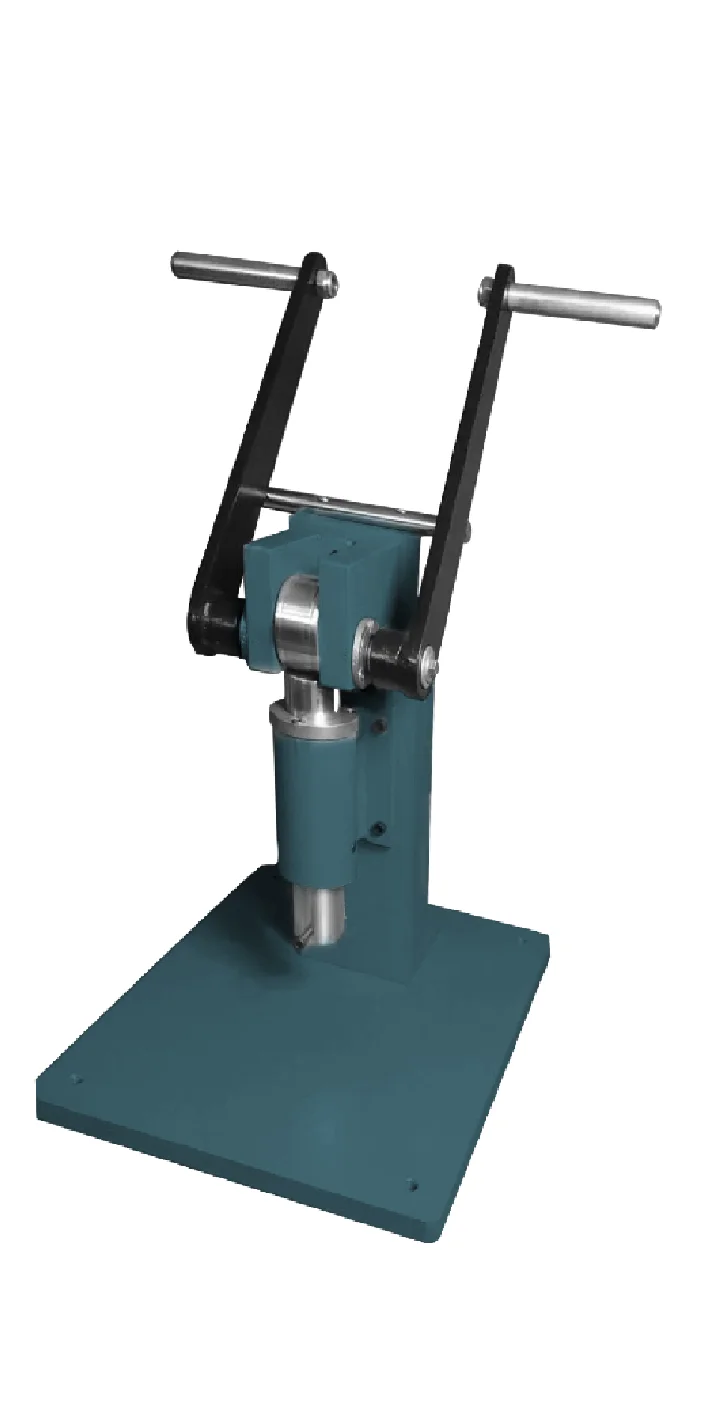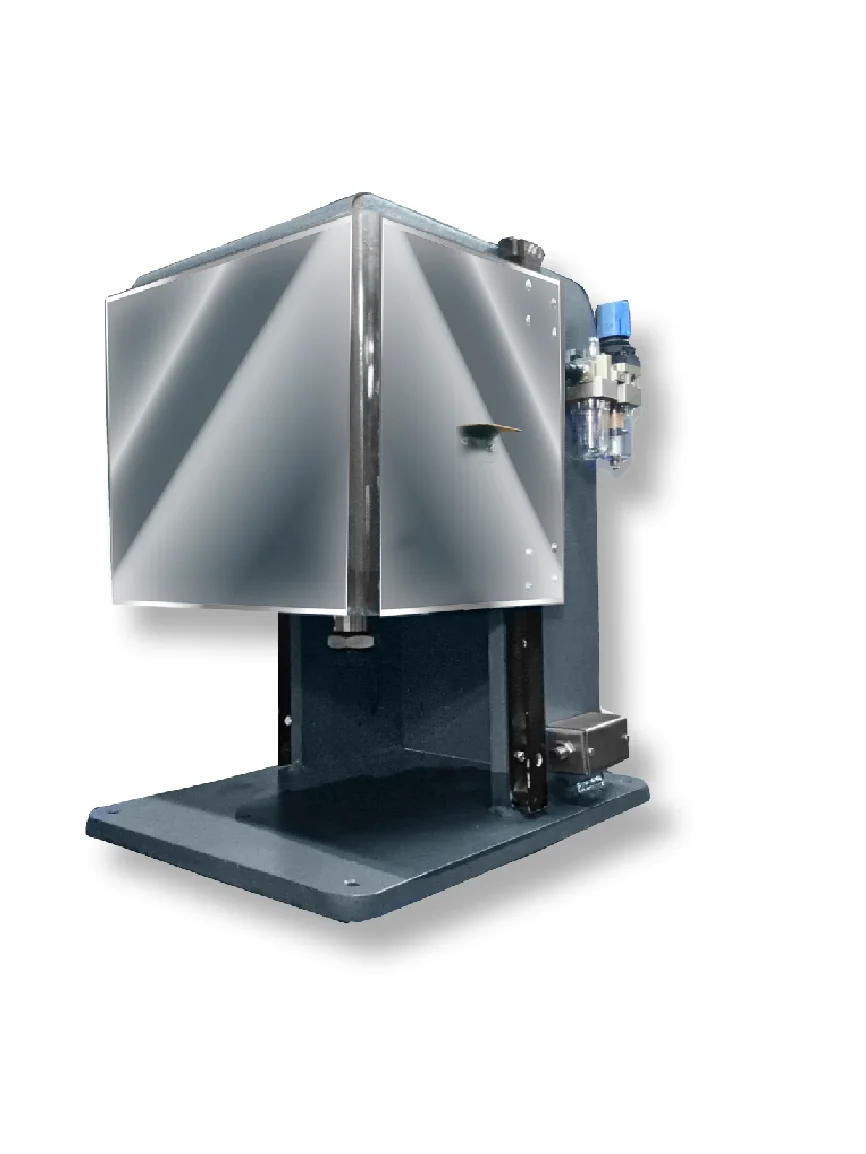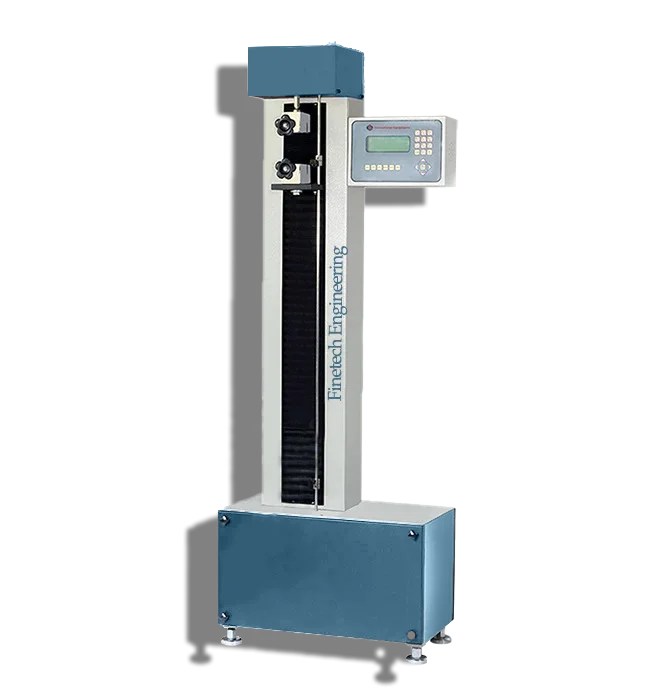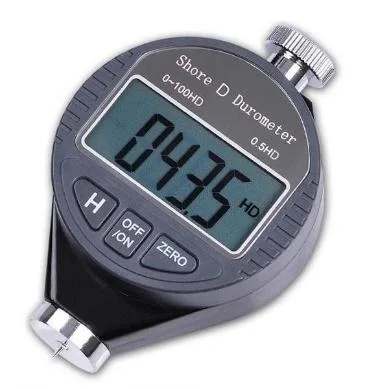







Andhra Pradesh’s plastics testing needs are shaped heavily by its pharma packaging sector, anchored by Visakhapatnam Pharma City – one of India’s largest dedicated pharmaceutical manufacturing zones. Pharma packaging in HDPE, PP and other plastics must satisfy demanding requirements: dimensional stability during storage and transport, consistent resin processability batch to batch, and long-term resistance to cracking when in contact with cleaning agents, oils or the drug formulation itself. Finetech Engineering is a Plastic Laboratory Testing Equipment manufacturer Andhra Pradesh pharma packaging plants have sourced from since 2023, supplying the instruments that verify each of these requirements from our Wagle Estate, Thane factory.
As a Plastic Laboratory Testing Equipment supplier Andhra Pradesh pharma packaging manufacturers rely on, we pay particular attention to how heat deflection, melt flow and environmental stress cracking resistance testing apply specifically to pharma packaging: heat deflection testing verifies that a container or blister material will not deform during hot-climate storage or transport; melt flow testing verifies that pharma-grade resin batches process consistently on high-precision packaging lines; and ESCR testing verifies that HDPE bottles and containers will not crack over their shelf life when in contact with the drug product or cleaning agents used during filling operations.
We dispatch and install directly to Plastic Laboratory Testing Equipment manufacturer Visakhapatnam Pharma City facilities, as well as Vijayawada and the wider Andhra Pradesh industrial corridor. NABL traceable Plastic Laboratory Testing Equipment Andhra Pradesh calibration is supplied with every instrument, supporting NABL-accredited labs and the regulatory audit requirements pharma packaging manufacturers face. As a Visakhapatnam Pharma City testing equipment supplier, our scheduled delivery routes make installation and calibration turnaround faster than sourcing from outside the state.
Tip: Pharma packaging qualification in Andhra Pradesh typically requires HDT, MFI and ESCR data together for a single resin approval – a packaging resin can pass tensile and hardness specs and still fail in service from heat softening during transport, inconsistent moulding from an out-of-spec MFI batch, or slow stress-cracking from contact with the drug formulation. If your specification lists any of these three tests, it likely lists all three; tell us and we will quote the full set. This pharma packaging resin testing HDT MFI ESCR bundle is exactly what most Andhra Pradesh packaging plants request in a single quotation, rather than buying instruments one at a time. Answering ‘which three tests for pharma packaging resin approval’ directly: HDT, MFI and ESCR, run together, not in isolation.
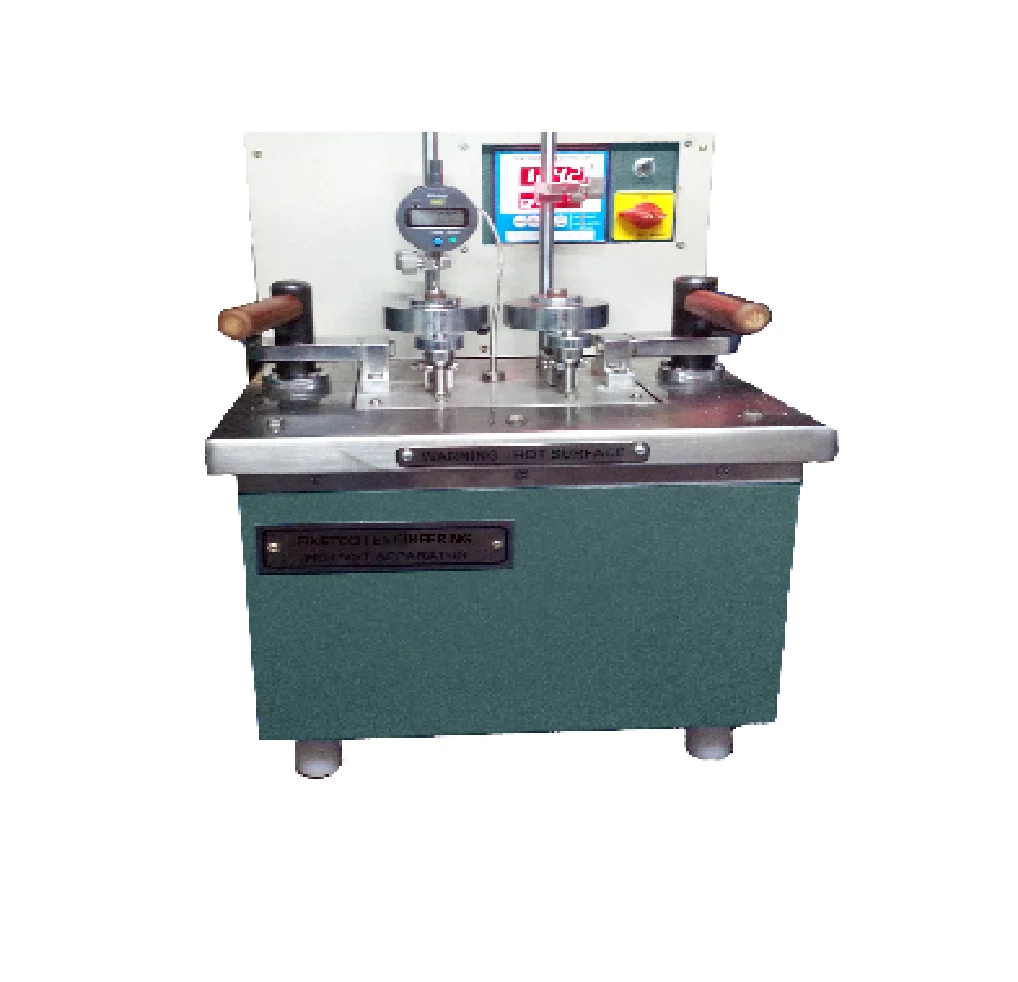
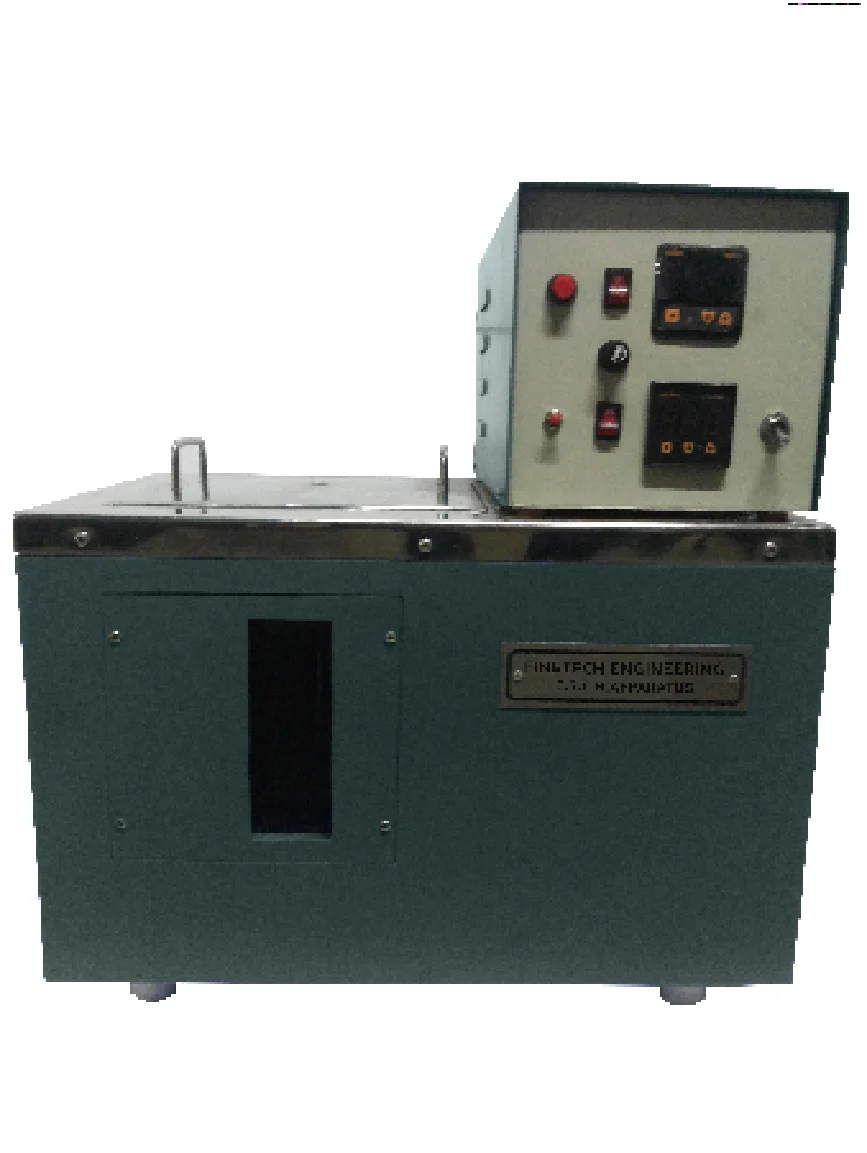
How to test plastic heat deflection is especially relevant for Andhra Pradesh’s pharma packaging manufacturers, since packaging materials and containers are routinely stored and transported through hot, humid conditions before reaching the point of use. Heat deflection temperature (HDT) testing, per ASTM D648, determines the temperature at which a plastic specimen deflects a specified amount under a standard load. Understanding why does pharma packaging need heat deflection test data comes down to one risk: a container or blister material with a marginal HDT can deform in transit long before it ever reaches a pharmacy shelf. Here is the procedure, applied to pharma packaging material qualification:
Step | What to Do |
1. Prepare the specimen | Cut or mould a flat bar specimen from the packaging resin (typically 127 mm × 13 mm × 3-6.4 mm per ASTM D648). For blister-pack and container-wall materials, ensure the specimen is representative of actual production wall thickness. |
2. Select the load | Choose the standard fibre stress – 1.82 MPa or 0.455 MPa – matching your packaging specification. Rigid pharma containers and closures typically specify the higher 1.82 MPa load. |
3. Mount the specimen | Place the specimen on two supports with the load applied at the centre span, and attach a deflection sensor. |
4. Immerse in the oil bath | Lower the specimen and fixture into the HDT/VSP apparatus oil bath at or near room temperature. |
5. Heat at controlled rate | Start the heating programme at 2°C per minute, monitoring deflection continuously. |
6. Record the HDT | Note the bath temperature at the instant the specimen deflects 0.25 mm (Method A). Compare this against the maximum expected storage or transport temperature for your packaging supply chain. |
7. Repeat for replicate specimens | Test a minimum of two to three specimens per resin batch – pharma packaging qualification typically requires this as part of a documented validation protocol. |
Note: For pharma packaging destined for hot-climate storage or export, confirm the HDT result against the maximum temperature the packaging may realistically experience during transport and warehousing – not just room-temperature storage conditions. A packaging material with an HDT close to expected transport temperatures carries real risk of deformation in the field.
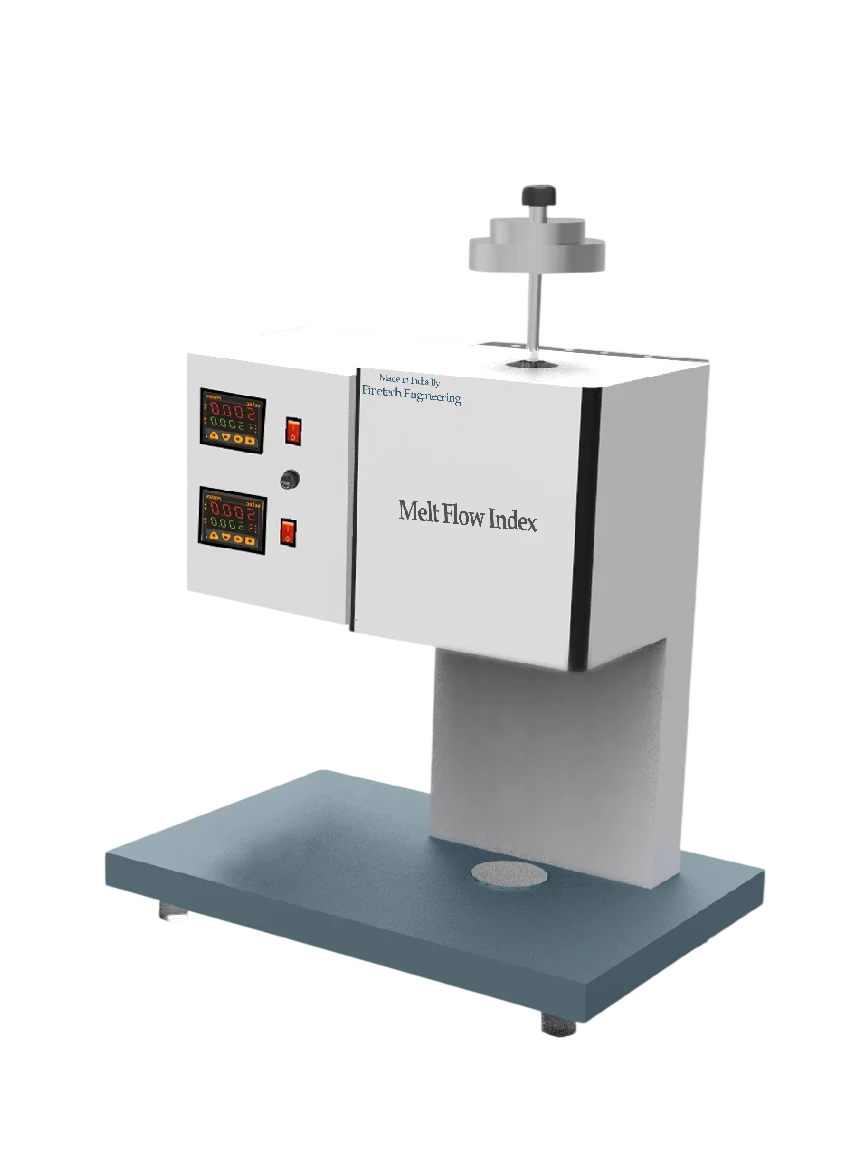
The melt flow index test ASTM D1238 is essential for pharma packaging manufacturers in Andhra Pradesh, since pharma-grade resins are processed on high-precision packaging lines where even small batch-to-batch flow variation can cause fill or moulding defects. As with any resin, the test is only meaningful at the correct temperature/load condition. Common conditions for pharma packaging resins:
Resin (Common in Pharma Packaging) | ASTM D1238 Condition | Temperature | Load |
HDPE (bottles, containers) | Condition E | 190°C | 2.16 kg |
Polypropylene (PP) (caps, closures) | Condition L | 230°C | 2.16 kg |
LDPE (film, liners) | Condition D | 190°C | 10.0 kg |
Polystyrene (PS) (blister trays) | Condition G | 200°C | 5.0 kg |
PVC (some blister films) | Special conditions per resin grade | Typically 150-190°C | Varies – confirm with resin supplier |
For Andhra Pradesh’s pharma packaging plants, MFI testing is typically run on every incoming resin lot as a batch-release check before the resin is approved for production – a resin lot outside the qualified MFI range risks inconsistent wall thickness, weak seals, or fill defects on automated packaging lines. A melt flow index test pharma grade resin batch release check is really the whole point of this step – catching an out-of-spec lot before it reaches the packaging line, not after.
Tip: Keep a documented MFI acceptance range for each qualified pharma packaging resin grade, established during initial validation. Testing every incoming lot against this range – rather than just checking the supplier’s certificate of analysis – catches resin variability before it reaches the packaging line.
The ESCR apparatus ASTM D1693 is one of the most important qualification tests for Andhra Pradesh’s HDPE pharma bottle and container manufacturers. Environmental stress cracking resistance (ESCR) measures whether a plastic container will resist cracking when under mechanical stress (from moulding stresses, cap torque, or handling) while simultaneously in contact with a stress-cracking agent – which, for pharma packaging, can include the drug formulation itself, preservatives, or cleaning and sanitising agents used during filling operations. HDPE bottle ESCR testing pharma packaging manufacturers rely on is built around exactly this scenario. Drug contact plastic stress cracking ESCR test results are what determine whether a container design survives its full shelf life in contact with the formulation, not just a short-duration tensile check.
Step | What Happens |
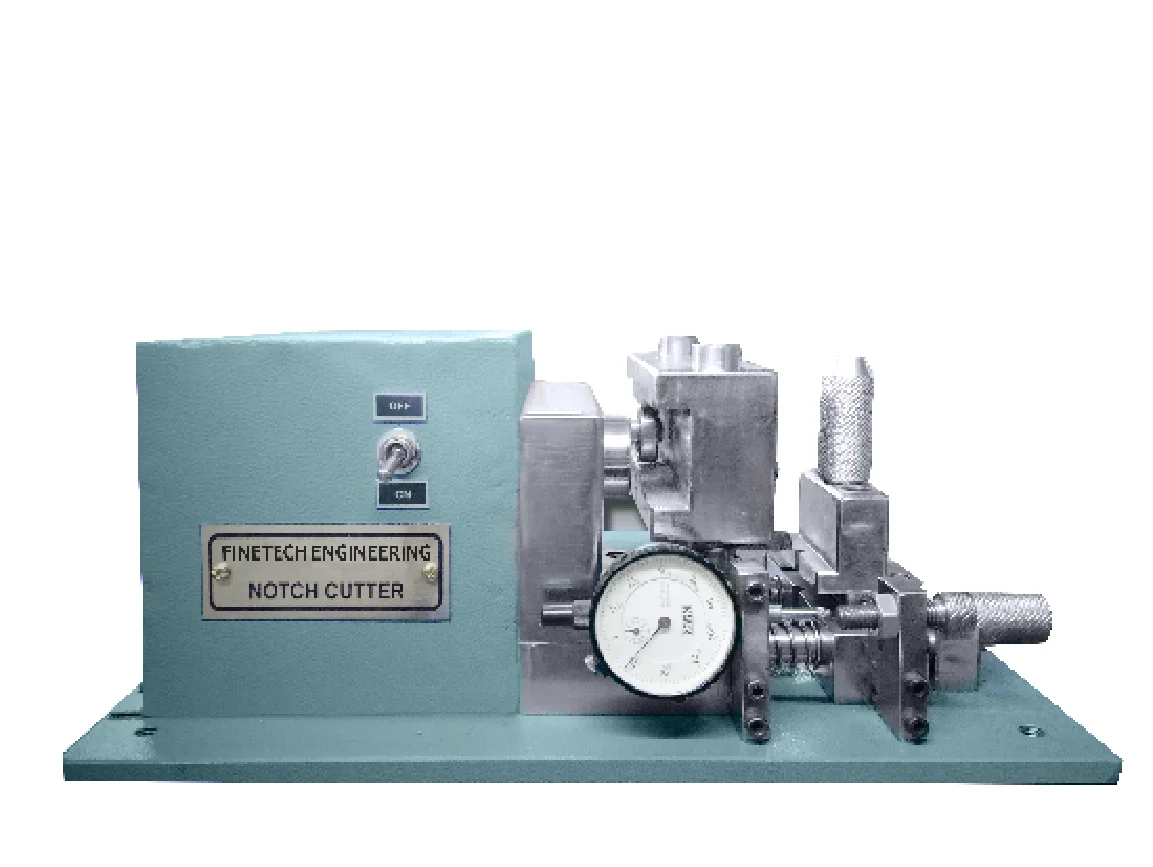
1. Prepare specimens | Rectangular HDPE specimens are cut from the actual bottle or container wall, and a controlled notch is cut into one edge. |
2. Bend the specimen | Each specimen is bent into a U-shape and clamped into a standard Bent Strip holder so the notched edge is under constant tensile stress – representative of moulding-induced or cap-torque stresses in the finished container. |
3. Immerse in stress-cracking agent | The loaded holder is immersed in a standard surfactant solution (commonly Igepal CO-630) at a controlled temperature (typically 50°C or 100°C), simulating aggressive chemical exposure. |
4. Monitor over time | Specimens are inspected at defined intervals for crack appearance at the notch. |
5. Report F50 | The result is reported as F50 – the time at which 50% of specimens have cracked. A longer F50 indicates the packaging resin and container design will better withstand years of shelf storage in contact with the drug product. |
For Andhra Pradesh’s pharma packaging manufacturers, ESCR testing is a long-duration qualification step, but it is essential: a container that passes short-duration tensile and burst tests can still fail months into a product’s shelf life from slow environmental stress cracking – a failure mode that only ESCR testing reliably reveals before the packaging reaches the market.
Note: ESCR test duration should be planned into your packaging validation timeline from the start – this is not a test that can be shortened without compromising its purpose. For pharma packaging with multi-year shelf life claims, a longer ESCR exposure condition is generally more appropriate than the shortest duration your supplier can offer.
Some Andhra Pradesh labs search for a Melting Point Apparatus Andhra Pradesh when what they need depends on which property they are actually trying to measure. A true melting point apparatus (used for crystalline polymers and additives, typically via a capillary melting-point method or differential scanning calorimetry) measures the specific temperature at which a crystalline material transitions from solid to liquid. This is a different property from heat deflection temperature (HDT) or Vicat softening point (VSP), which measure softening and deformation behaviour under load rather than a sharp melting transition.
If your pharma packaging specification calls for HDT or VSP testing, our HDT/VSP apparatus covers that requirement directly. If you specifically need melting-point determination for a crystalline resin or additive used in packaging, tell us the standard you test to and we will advise on the right instrument and configuration.
As a Plastic Laboratory Testing Equipment supplier Andhra Pradesh pharma packaging plants have used since 2023, Finetech Engineering supplies the following instruments, each built to the named ASTM/UL standard:
| Instrument | What It Tests | Primary Standards | Why AP Pharma Packaging Plants Need It |
| HDT / VSP Apparatus | Heat deflection temperature & Vicat softening point | ASTM D648, ASTM D1525 | Verifies packaging dimensional stability during hot-climate storage and transport |
| Melt Flow Index Tester | Melt flow rate of thermoplastics | ASTM D1238, ISO 1133 | Incoming pharma-grade resin batch-release QC |
| ESCR Apparatus | Environmental stress cracking resistance of PE | ASTM D1693 | Long-term shelf-life qualification for HDPE bottles and containers |
| Shore D Hardness Tester | Indentation hardness of rigid plastics | ASTM D2240, IS 3400 | Quick final-part QC on moulded caps and closures |
| Flammability Tester | UL 94 horizontal & vertical burning classification | UL 94, ASTM D635 | Required where packaging materials interface with electrical/electronic dispensing devices |
| Universal Testing Machine (UTM) | Tensile strength, elongation & flexural properties | ASTM D638, ASTM D790 | Fundamental mechanical property testing for packaging resin approval |
We dispatch from our Thane factory and deliver directly to Visakhapatnam Pharma City, as well as Vijayawada and the wider Andhra Pradesh industrial corridor. As a Plastic Laboratory Testing Equipment manufacturer Andhra Pradesh pharma packaging plants have relied on, our team handles installation, calibration, operator training and ongoing AMC support.
Manufacturer, not a trader. Every instrument is designed, built and calibrated in our Wagle Estate, Thane factory. You deal directly with the maker – no dealer mark-up, no second-hand specifications.
ISO 9001 certified. ISO 9001 Plastic Laboratory Testing Equipment Andhra Pradesh standard is what we hold – our manufacturing is ISO 9001:2015 certified and our equipment is CE marked.
NABL-traceable calibration. NABL traceable Plastic Laboratory Testing Equipment Andhra Pradesh – calibration certificates traceable to national measurement standards, supporting NABL-accredited labs and pharma regulatory audits.
Built for Andhra Pradesh’s pharma packaging sector. Our HDT/VSP, MFI and ESCR instruments cover the qualification tests pharma packaging manufacturers specify most, serving Plastic Laboratory Testing Equipment manufacturer Visakhapatnam Pharma City facilities directly.
Built to specific standards. ASTM D1238, ASTM D648, ASTM D1525, ASTM D1693, ASTM D256, UL 94 – with IS/BIS methods supported alongside ASTM, so your Andhra Pradesh lab stays audit-ready.
Installation, calibration and AMC. We commission, train operators and provide annual maintenance contracts across Andhra Pradesh.


















All Equipments & specimen preparation products can be customised as per requirements.
How to test plastic heat deflection for pharma packaging - per ASTM D648: prepare a flat bar specimen representative of your packaging wall thickness, select the correct load (1.82 MPa or 0.455 MPa, matching your specification), mount it in the HDT/VSP apparatus oil bath, heat at a controlled 2°C/min rate, and record the bath temperature at the moment of specified deflection. For pharma packaging, compare the result against realistic hot-climate transport and storage temperatures, not just ambient lab conditions.
The melt flow index test ASTM D1238 specifies different conditions for different resins commonly used in pharma packaging - for example, Condition E for HDPE bottles runs at 190°C with a 2.16 kg load, while Condition L for PP caps and closures runs at 230°C with a 2.16 kg load. Testing every incoming resin lot against the qualified MFI range for that grade is a standard batch-release check on pharma packaging lines.
The ESCR apparatus ASTM D1693 measures environmental stress cracking resistance - whether an HDPE bottle or container resists cracking when under mechanical stress (from moulding or cap torque) while in contact with a stress-cracking agent, which for pharma packaging can include the drug formulation, preservatives, or cleaning agents. Notched, bent specimens are immersed in a surfactant solution and monitored for crack appearance over time, with results reported as F50. This test is essential for validating multi-year shelf-life claims on pharma packaging.
We are a manufacturer. As a Plastic Laboratory Testing Equipment manufacturer Andhra Pradesh operations trust, every instrument is designed and built in-house at our Wagle Estate, Thane factory - not purchased from another manufacturer and resold.
Yes. We hold ISO 9001 Plastic Laboratory Testing Equipment Andhra Pradesh certification - our manufacturing is ISO 9001:2015 certified and our equipment is CE marked. We supply instruments with NABL traceable Plastic Laboratory Testing Equipment Andhra Pradesh calibration, supporting NABL-accredited labs and pharma regulatory audit requirements.
Yes. We are a Plastic Laboratory Testing Equipment manufacturer Visakhapatnam Pharma City facilities have sourced from directly, alongside Vijayawada and the wider Andhra Pradesh industrial corridor. Dispatch is from our Thane factory, with installation and support delivered on-site.