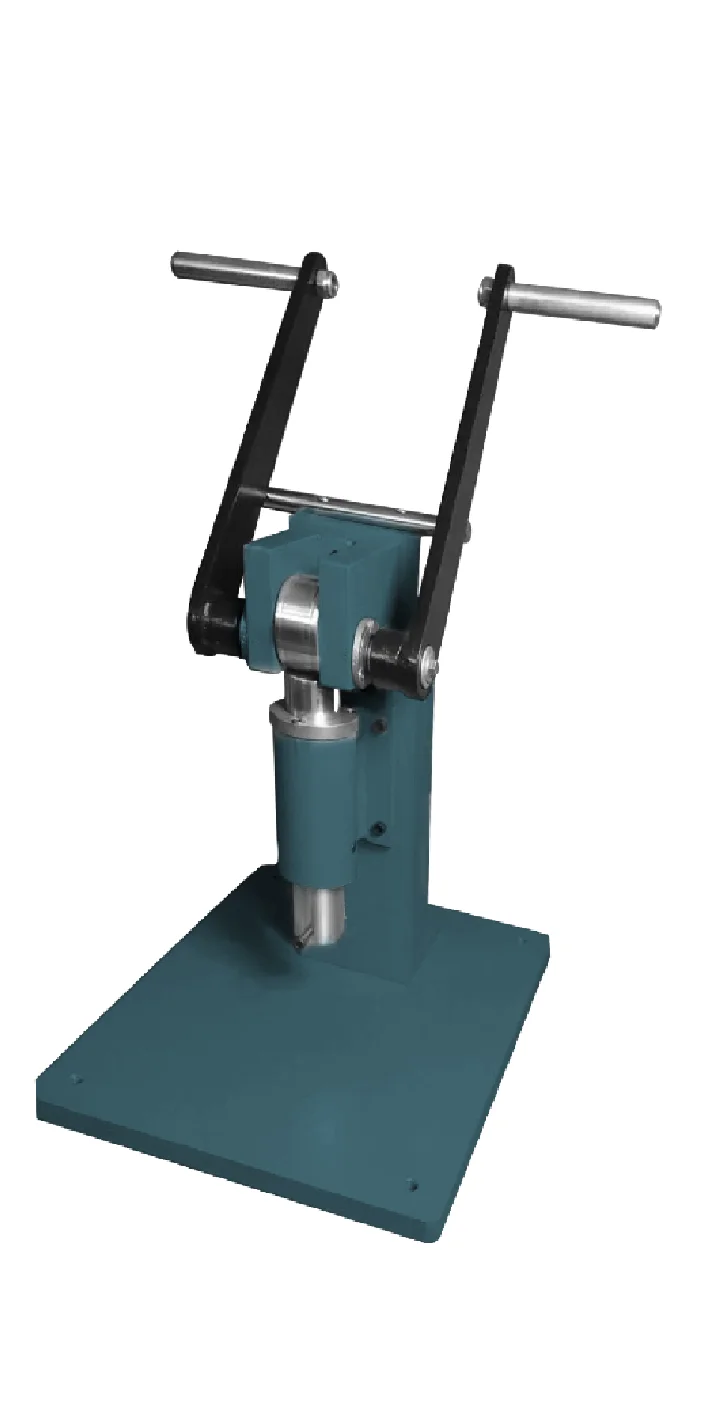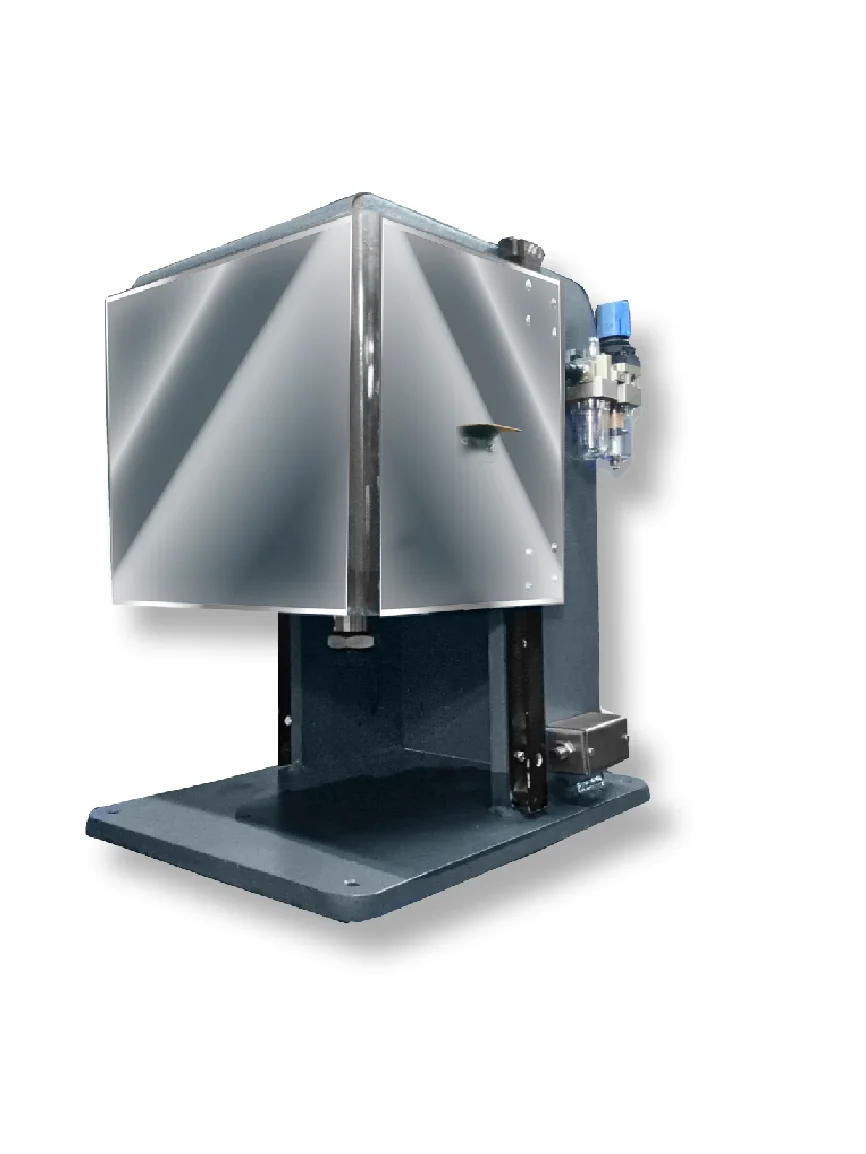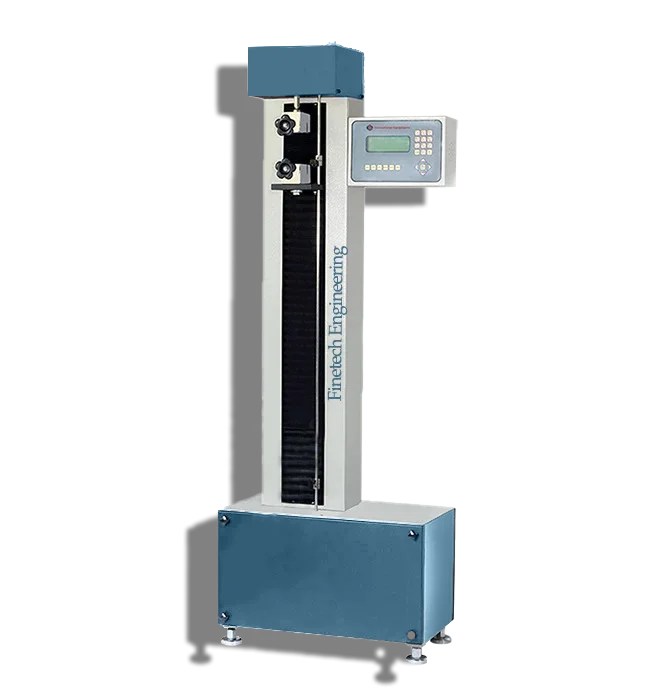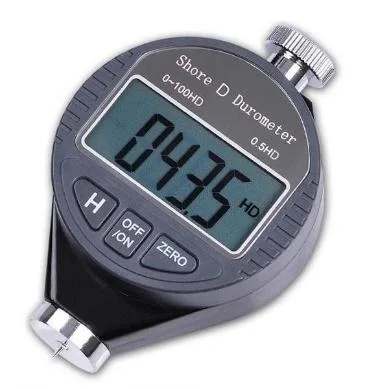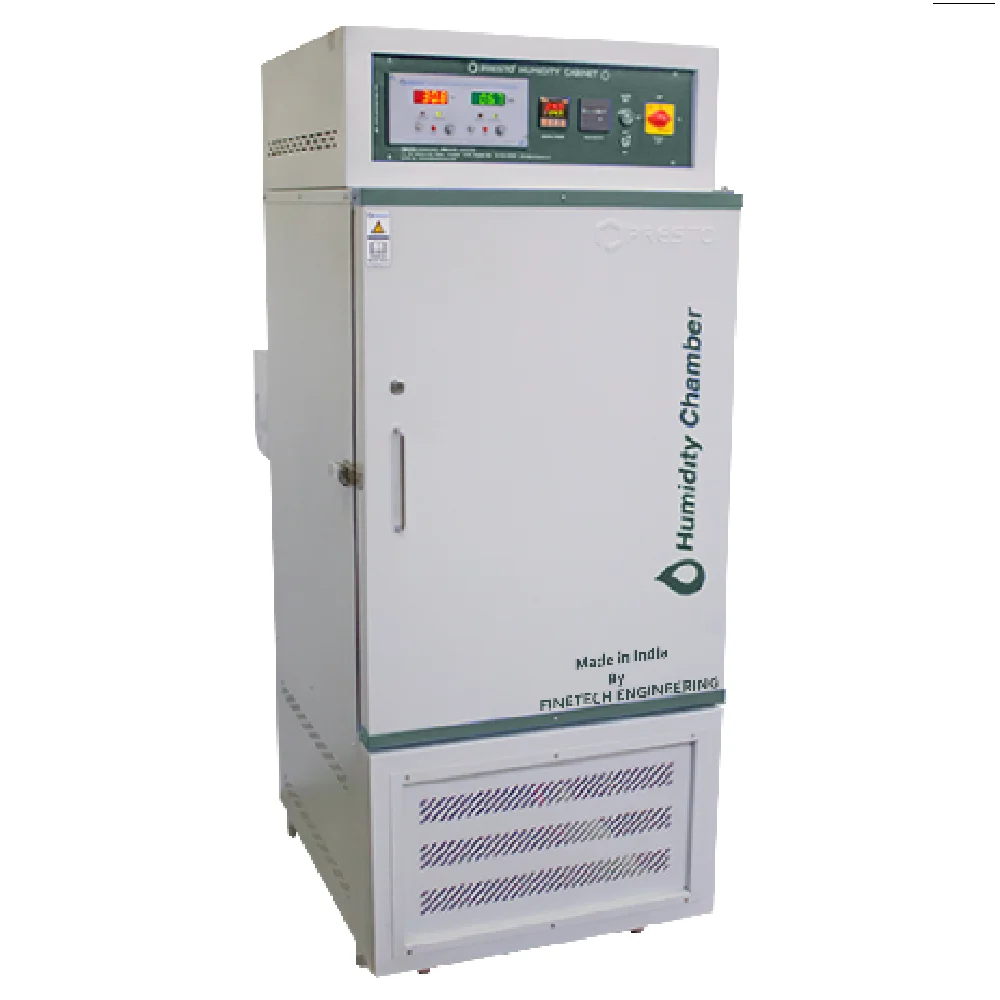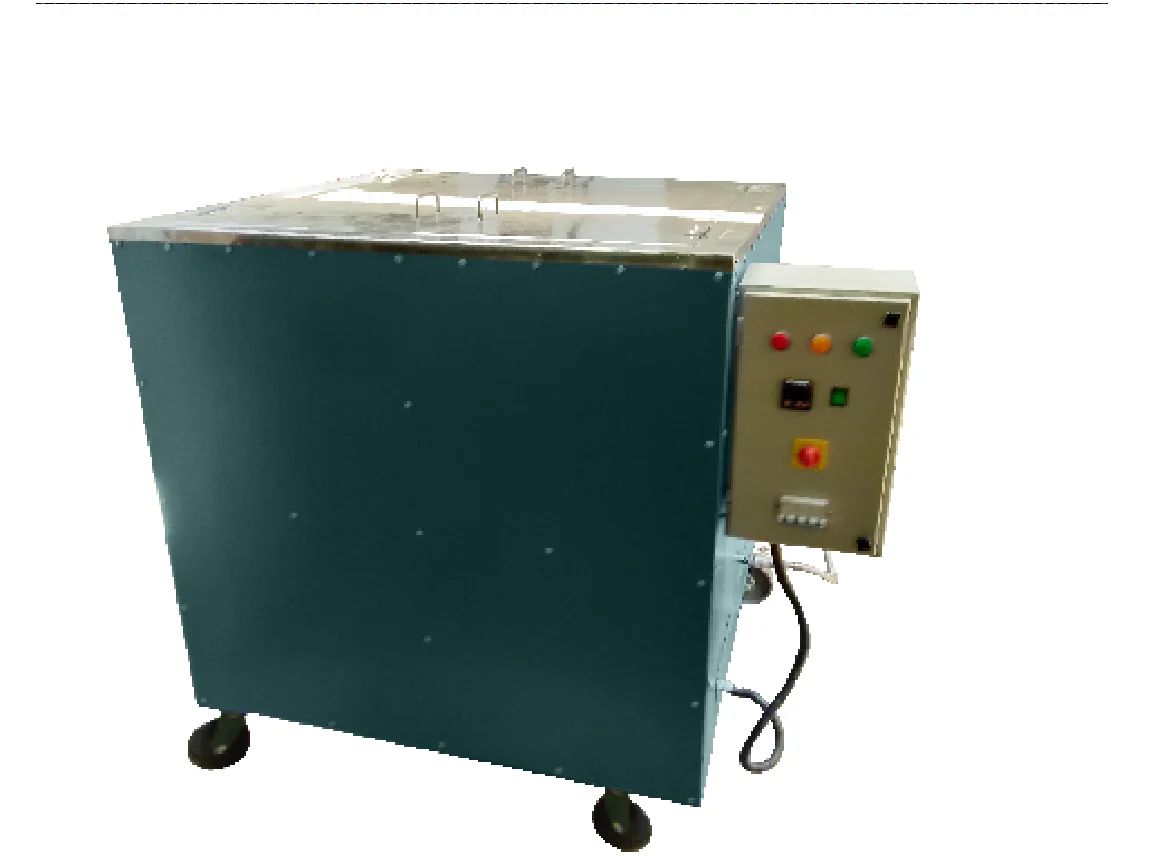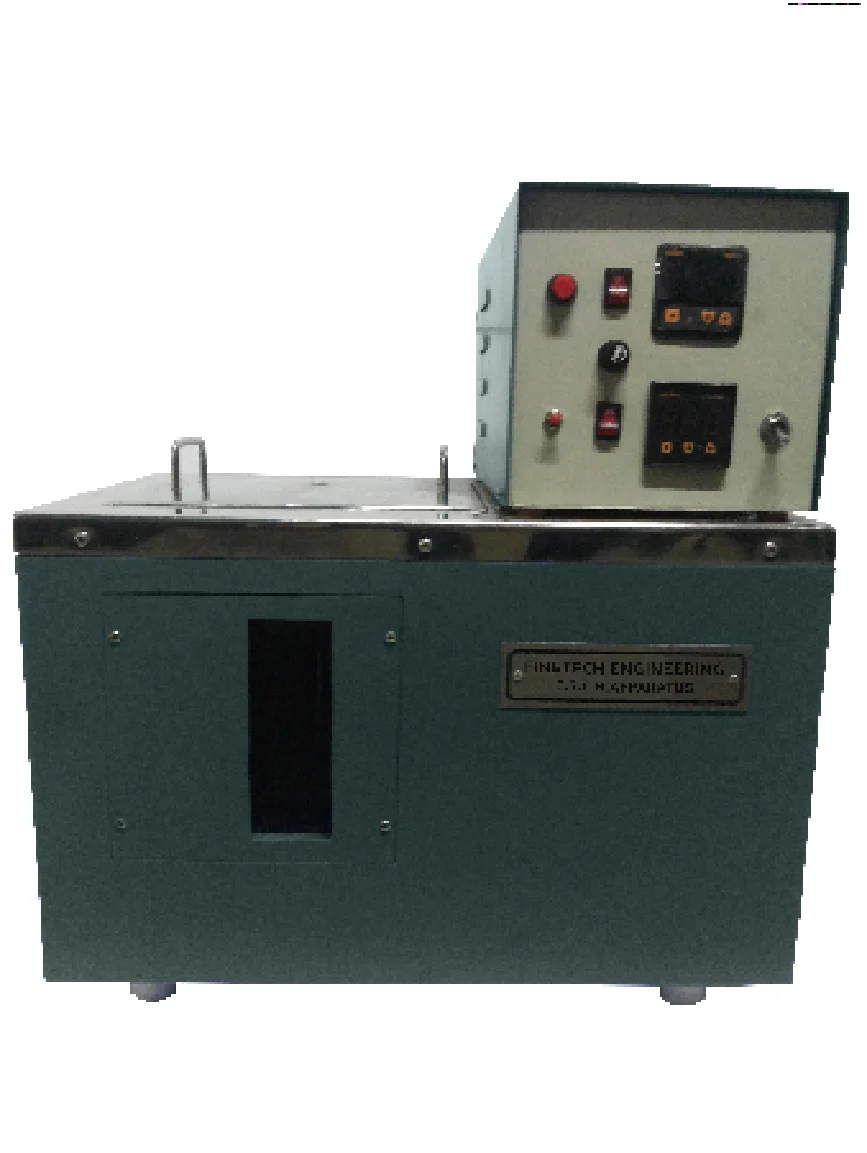







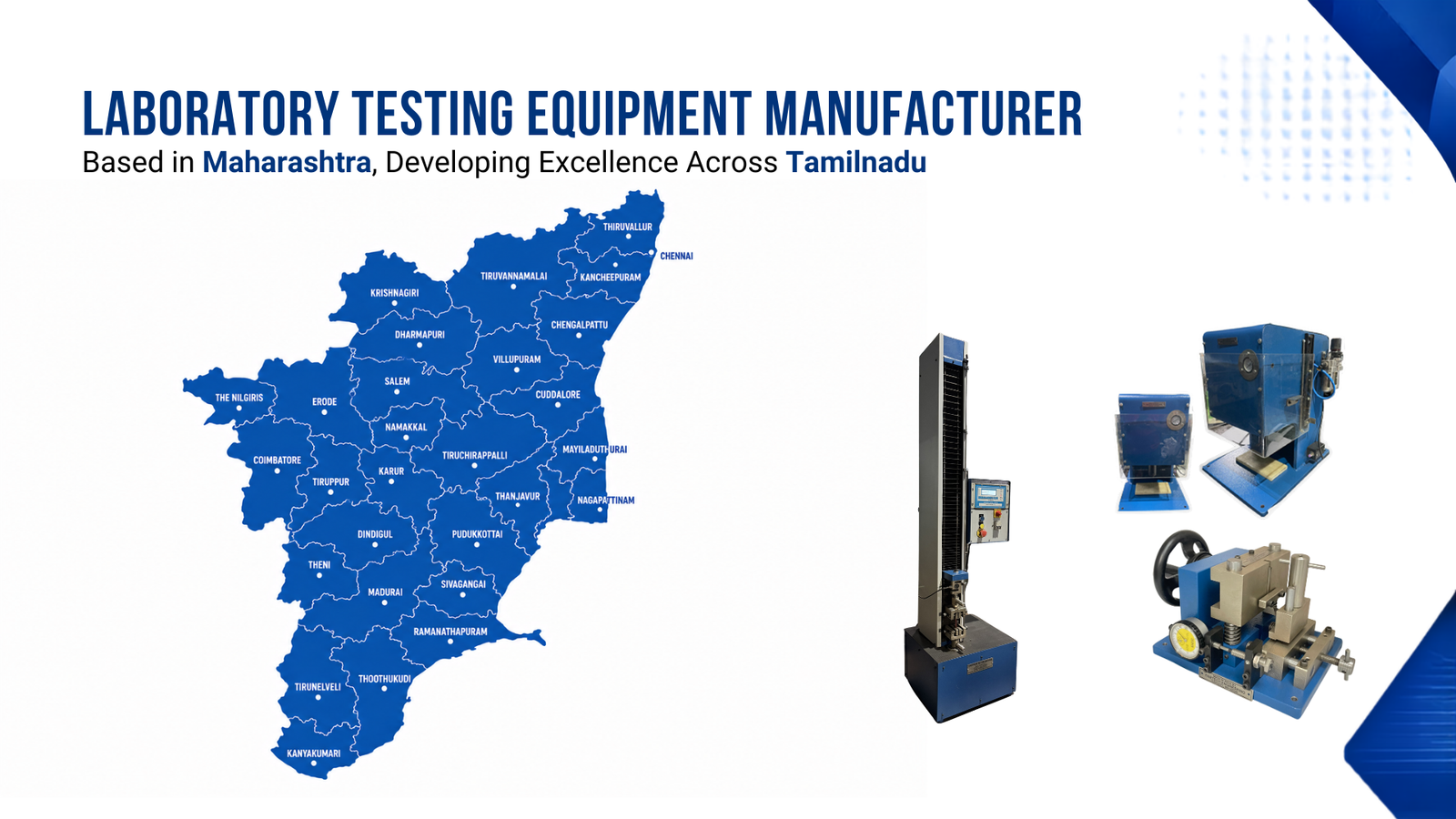
Tamil Nadu’s plastics processing industry is concentrated around Chennai, Oragadam, Sriperumbudur and Coimbatore, serving the state’s large automotive and electronics manufacturing base as well as general packaging and consumer-goods processors. These plants depend on a consistent set of instruments to verify that incoming resin and finished plastic parts meet the specifications their customers demand: melt flow testing to check resin processability, heat-performance testing to check dimensional stability under thermal load, and environmental resistance testing to check long-term durability under chemical exposure. Finetech Engineering is a Plastic Laboratory Testing Equipment manufacturer Tamil Nadu plants have sourced from since 2023, supplying this full range from our Wagle Estate, Thane factory.
As a Plastic Laboratory Testing Equipment supplier Tamil Nadu automotive and electronics component makers rely on, we pay particular attention to the tests their OEM customers specify most often: heat deflection temperature (dimensional stability under load and heat), melt flow index (resin batch consistency), and environmental stress cracking resistance (long-term chemical exposure durability) – three tests that between them cover the majority of plastic-component qualification requirements in the state’s auto and electronics supply chain.
We dispatch and install across the Plastic Laboratory Testing Equipment manufacturer Chennai-Oragadam-Coimbatore industrial belt, with regular scheduled delivery routes covering Chennai, Oragadam, Sriperumbudur and Coimbatore. NABL traceable Plastic Laboratory Testing Equipment Tamil Nadu calibration is supplied with every instrument, supporting NABL-accredited labs and the supplier-audit requirements of Tamil Nadu’s automotive and electronics OEMs.
Tip: Tamil Nadu’s automotive and electronics component makers typically specify all three of HDT, MFI and ESCR testing together for a single resin qualification – because a resin can pass a tensile spec and still fail in service from heat softening, inconsistent processing, or environmental stress cracking. If your customer specification lists any of these three tests, it likely lists all three; tell us and we will quote the full set. That is really why does auto OEM require HDT MFI ESCR together on a single resin qualification: each test catches a failure mode the other two cannot.
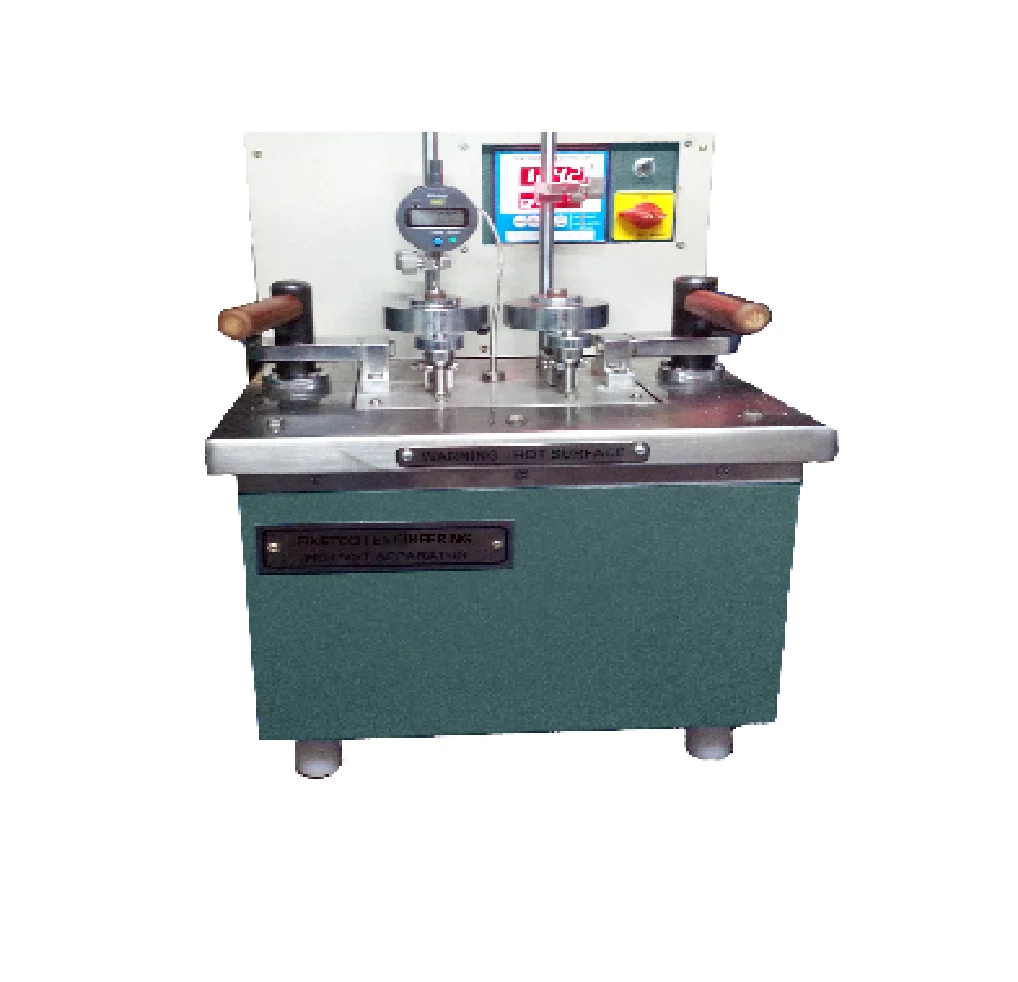
How to test plastic heat deflection step by step is a practical, step-by-step question we answer for Tamil Nadu labs setting up their first HDT test. Heat deflection temperature (HDT) testing, per ASTM D648, determines the temperature at which a plastic specimen deflects a specified amount under a standard load. Here is the procedure:
Step | What to Do |
1. Prepare the specimen | Cut or mould a flat bar specimen to the standard dimensions (typically 127 mm × 13 mm × 3-6.4 mm per ASTM D648). Ensure the surface is free of flash, sink marks or visible defects that could affect the result. |
2. Select the load | Choose the standard fibre stress – either 1.82 MPa (264 psi, the higher, more common load) or 0.455 MPa (66 psi, for softer materials). The load selected must match your customer specification; the two loads give different HDT values for the same material. |
3. Mount the specimen | Place the specimen flat-wise on two supports spaced per the standard, with the load applied at the centre span. Attach a dial gauge or deflection sensor to measure movement precisely. |
4. Immerse in the oil bath | Lower the specimen and fixture into the HDT/VSP apparatus oil bath, already at or near room temperature. |
5. Heat at controlled rate | Start the heating programme at 2°C per minute, continuously monitoring deflection as temperature rises. |
6. Record the HDT | Note the bath temperature at the instant the specimen deflects 0.25 mm (Method A) or 0.32 mm past the initial deflection (Method B, less common in Indian labs). This temperature is the HDT. |
7. Repeat for replicate specimens | Test a minimum of two to three specimens per batch and average the results – a single specimen result is not considered representative for material qualification. |
Note: The load selected (1.82 MPa vs 0.455 MPa) is not interchangeable – always confirm which load your customer specification requires before testing. Many Tamil Nadu automotive suppliers specify the higher 1.82 MPa load because it better represents structural load-bearing plastic components under thermal stress in an engine compartment or similar high-heat location. Working out 1.82 MPa vs 0.455 MPa HDT load which to use for your specific part comes down to whether it is a structural, load-bearing component or a softer, lower-stress application.
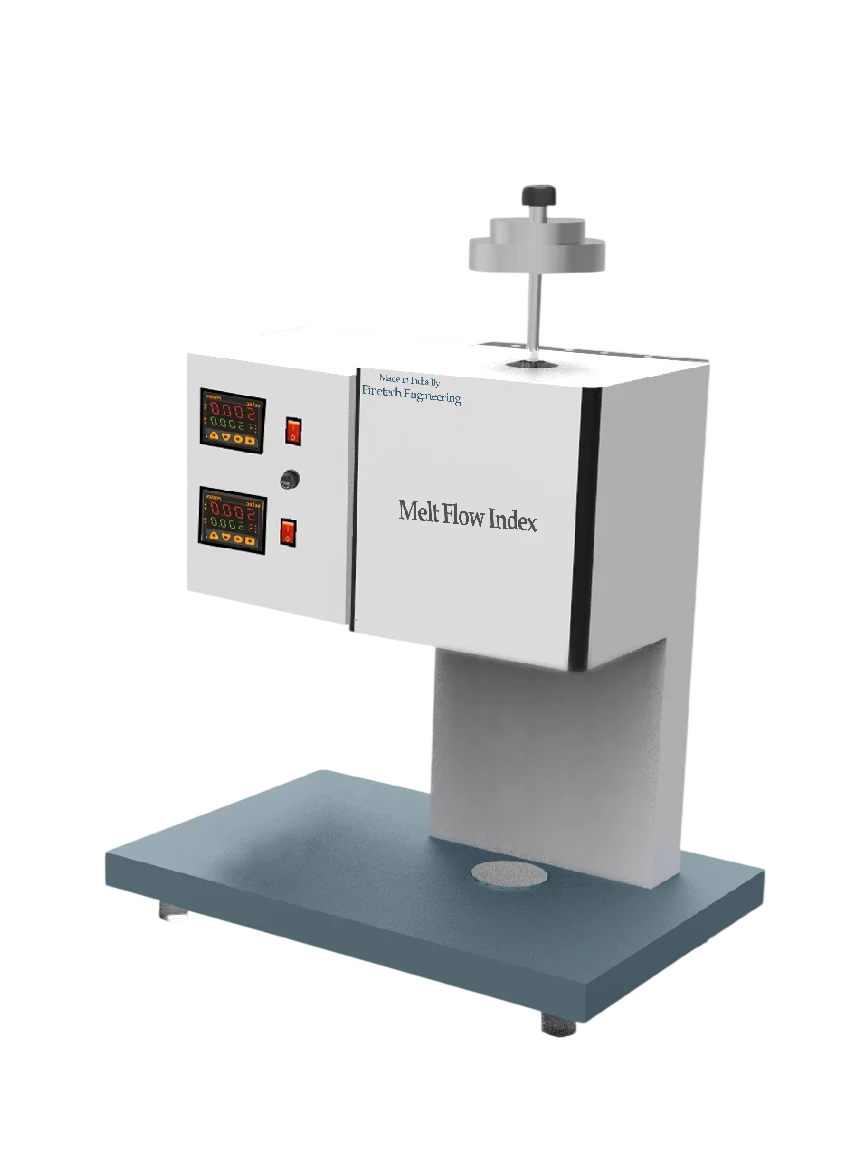
The melt flow index test ASTM D1238 conditions are only meaningful when run at the correct temperature/load combination – the combination of temperature and applied load specified for the particular resin type. Using the wrong condition produces a number that cannot be compared to any published specification. Here are the standard ASTM D1238 conditions for common resins processed in Tamil Nadu:
Resin | ASTM D1238 Condition | Temperature | Load |
Polyethylene (PE), low density | Condition E / Condition D | 190°C | 2.16 kg / 10.0 kg |
Polyethylene (PE), high density | Condition G | 190°C | 5.0 kg |
Polypropylene (PP) | Condition L | 230°C | 2.16 kg |
Polystyrene (PS) | Condition G | 200°C | 5.0 kg |
ABS | Condition I | 220°C | 10.0 kg |
Nylon (PA) | Condition R | 235°C | 1.0 kg |
Polycarbonate (PC) | Condition O | 300°C | 1.2 kg |
Each condition letter in the melt flow index test ASTM D1238 conditions table corresponds to a specific temperature/load combination defined in the standard’s Table 1. Tamil Nadu’s automotive and electronics component makers processing engineering resins (nylon, polycarbonate, ABS) especially need to confirm the exact condition, since these resins are more sensitive to test-condition mismatches than commodity resins like PE and PP.
Tip: If your resin supplier’s certificate of analysis quotes an MFI value, always check which condition it was measured at before comparing it to your own in-house test result – an MFI of “5” means nothing without the condition letter attached. Two different conditions on the same resin can give very different numbers.
The ESCR apparatus ASTM D1693 Tamil Nadu tests a critical durability property for polyethylene products: environmental stress cracking resistance (ESCR) – the ability of a plastic part to resist cracking when it is simultaneously under mechanical stress and in contact with a stress-cracking agent (typically a surfactant solution). This is especially important for Tamil Nadu’s packaging, container and automotive fluid-reservoir manufacturers, since PE parts in these applications are routinely exposed to detergents, oils and other chemicals while under load.
Step | What Happens |
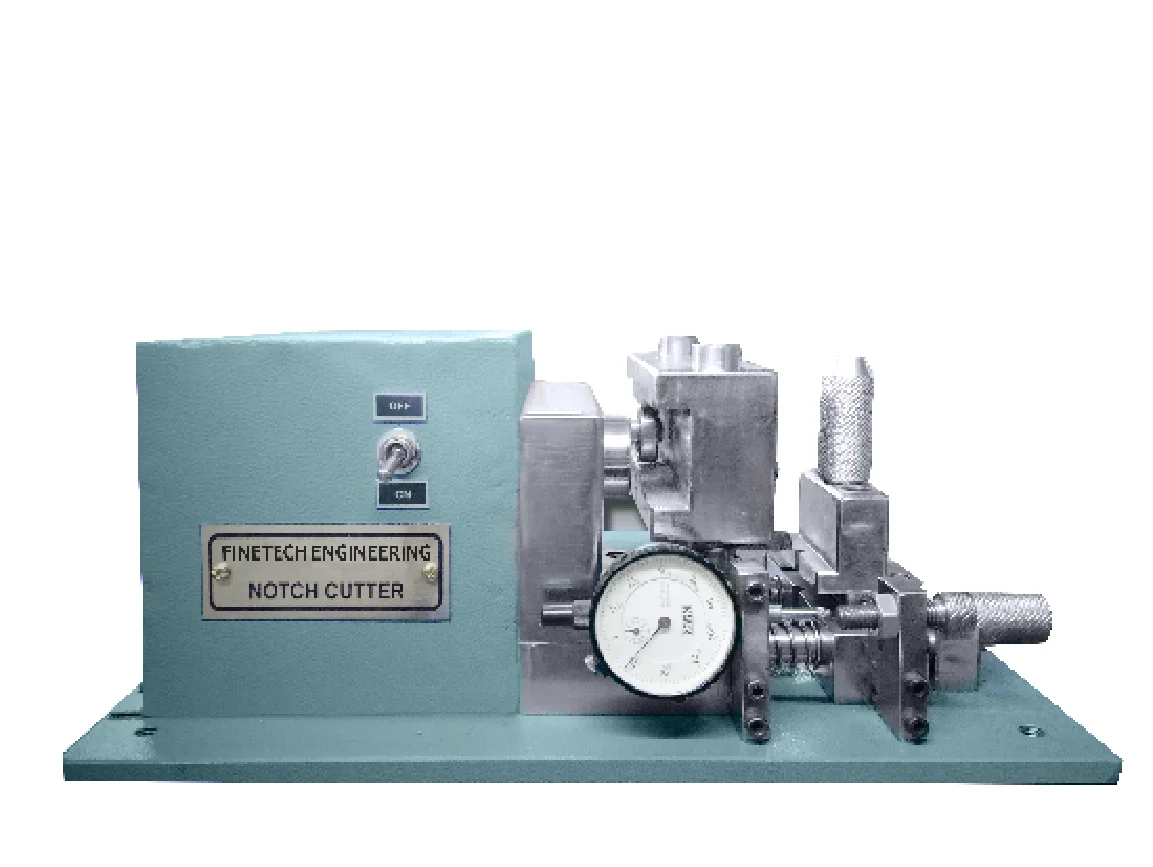
1. Prepare specimens | Rectangular PE specimens are cut and a controlled notch is cut into one edge to create a stress concentration point. |
2. Bend the specimen | Each specimen is bent into a U-shape and clamped into a standard test holder (a Bent Strip holder, per ASTM D1693) so the notched edge is under constant tensile stress. |
3. Immerse in stress-cracking agent | The loaded holder is immersed in a standard surfactant solution (commonly Igepal CO-630) at a specified test temperature (typically 50°C or 100°C). |
4. Monitor over time | Specimens are inspected at defined intervals (hours to hundreds of hours, depending on the test condition) for the appearance of cracks at the notch. |
5. Report F50 | The result is typically reported as F50 – the time at which 50% of the specimens have cracked. A longer F50 means better environmental stress cracking resistance. |
The ESCR apparatus ASTM D1693 Tamil Nadu test can run for days or weeks depending on the resin grade and test condition selected, since it is designed to reveal a slow failure mode that would otherwise only show up after months in service. Tamil Nadu’s PE container, cap and fluid-reservoir manufacturers use this test to qualify resin grades before committing to full production.
Note: ESCR testing is a long-duration test by design – plan your qualification timeline accordingly. Rushing or shortening the exposure time defeats the purpose of the test, since ESCR failures are specifically the slow, delayed-onset cracks that a short-duration tensile test would never reveal.
Some Tamil Nadu labs search for a Melting Point Apparatus Tamil Nadu when what they actually need depends on which property they are trying to measure. A true melting point apparatus (used for crystalline polymers and additives, often via a capillary melting-point method or differential scanning calorimetry) measures the specific temperature at which a crystalline material transitions from solid to liquid. This is a different property from heat deflection temperature (HDT) or Vicat softening point (VSP), which measure softening and deformation behaviour under load rather than a sharp melting transition.
If your specification calls for HDT or VSP testing, our HDT/VSP apparatus covers that requirement directly. If you specifically need melting-point determination for a crystalline resin or additive, tell us the standard you test to and we will advise on the right instrument and configuration for that requirement. An HDT VSP apparatus Tamil Nadu Chennai automotive suppliers specify most handles both tests on the same oil-bath rig, without needing two separate instruments.
As a Plastic Laboratory Testing Equipment supplier Tamil Nadu plants have used since 2023, Finetech Engineering supplies the following instruments, each built to the named ASTM/UL standard:
| Instrument | What It Tests | Primary Standards | Why Tamil Nadu Plants Need It |
| HDT / VSP Apparatus | Heat deflection temperature & Vicat softening point | ASTM D648, ASTM D1525 | Verifies dimensional stability under thermal load – critical for automotive and electronics housings |
| Melt Flow Index Tester | Melt flow rate of thermoplastics | ASTM D1238, ISO 1133 | Incoming-resin QC; verifies each batch processes correctly at the specified condition |
| ESCR Apparatus | Environmental stress cracking resistance of PE | ASTM D1693 | Long-term durability qualification for PE containers, caps and fluid reservoirs |
| Shore D Hardness Tester | Indentation hardness of rigid plastics | ASTM D2240, IS 3400 | Quick final-part QC on moulded components |
| Izod & Charpy Impact Tester | Notched impact strength of plastics | ASTM D256, ISO 179/180 | Toughness qualification for structural plastic parts |
| Flammability Tester | UL 94 horizontal & vertical burning classification | UL 94, ASTM D635 | Required for plastics used in electrical enclosures and automotive interiors |
| Universal Testing Machine (UTM) | Tensile strength, elongation & flexural properties | ASTM D638, ASTM D790 | Fundamental mechanical property testing across all plastic grades |
We dispatch from our Thane factory and deliver across Tamil Nadu’s plastics processing corridor: Chennai, Oragadam, Sriperumbudur and Coimbatore. As a Plastic Laboratory Testing Equipment manufacturer Tamil Nadu plants have relied on, our team handles installation, calibration, operator training and ongoing AMC support.
Manufacturer, not a trader. Every instrument is designed, built and calibrated in our Wagle Estate, Thane factory. You deal directly with the maker – no dealer mark-up, no second-hand specifications.
ISO 9001 certified. ISO 9001 Plastic Laboratory Testing Equipment Tamil Nadu standard is what we hold – our manufacturing is ISO 9001:2015 certified and our equipment is CE marked.
NABL-traceable calibration. NABL traceable Plastic Laboratory Testing Equipment Tamil Nadu – calibration certificates traceable to national measurement standards, supporting NABL-accredited labs and OEM supplier audits.
Built for Tamil Nadu’s automotive and electronics supply chain. Our HDT/VSP, MFI and ESCR instruments cover the qualification tests Tamil Nadu’s OEM customers specify most across the Plastic Laboratory Testing Equipment manufacturer Chennai-Oragadam-Coimbatore industrial belt.
Built to specific standards. ASTM D1238, ASTM D648, ASTM D1525, ASTM D1693, ASTM D256, UL 94 – with IS/BIS methods supported alongside ASTM, so your Tamil Nadu lab stays audit-ready.
Installation, calibration and AMC. We commission, train operators and provide annual maintenance contracts across Tamil Nadu.


















All Equipments & specimen preparation products can be customised as per requirements.
How to test plastic heat deflection step by step - per ASTM D648: prepare a standard flat bar specimen, select the correct load (1.82 MPa or 0.455 MPa, per your specification), mount it on supports in the HDT/VSP apparatus oil bath, heat at a controlled 2°C/min rate, and record the bath temperature at the moment the specimen deflects the specified amount (0.25 mm for Method A). Test a minimum of two to three replicate specimens and average the results - a single specimen is not representative for material qualification.
The melt flow index test ASTM D1238 conditions specify different temperature/load combinations for different resins - for example, Condition E for low-density polyethylene runs at 190°C with a 2.16 kg load, while Condition L for polypropylene runs at 230°C with a 2.16 kg load. Using the wrong condition for a resin produces a number that cannot be compared to any published specification. Always confirm the correct condition letter from ASTM D1238 Table 1 or your resin supplier's data sheet before testing.
The ESCR apparatus ASTM D1693 Tamil Nadu measures environmental stress cracking resistance - how well a polyethylene part resists cracking when under mechanical stress and exposed to a stress-cracking chemical agent simultaneously. Notched, bent specimens are immersed in a surfactant solution at a controlled temperature, and inspected periodically for crack appearance. The result is typically reported as F50, the time at which half the specimens have cracked. This test is essential for PE containers, caps and fluid reservoirs that will be exposed to detergents, oils or similar chemicals in service.
We are a manufacturer. As a Plastic Laboratory Testing Equipment manufacturer Tamil Nadu operations trust, every instrument is designed and built in-house at our Wagle Estate, Thane factory - not purchased from another manufacturer and resold.
Yes. We hold ISO 9001 Plastic Laboratory Testing Equipment Tamil Nadu certification - our manufacturing is ISO 9001:2015 certified and our equipment is CE marked. We supply instruments with NABL traceable Plastic Laboratory Testing Equipment Tamil Nadu calibration, meaning the calibration certificate we provide can be traced back to national measurement standards, supporting NABL-accredited labs and OEM audit requirements.
We deliver and support across the Plastic Laboratory Testing Equipment manufacturer Chennai-Oragadam-Coimbatore industrial belt: Chennai, Oragadam, Sriperumbudur and Coimbatore. Dispatch is from our Thane factory, with scheduled delivery routes covering these areas.