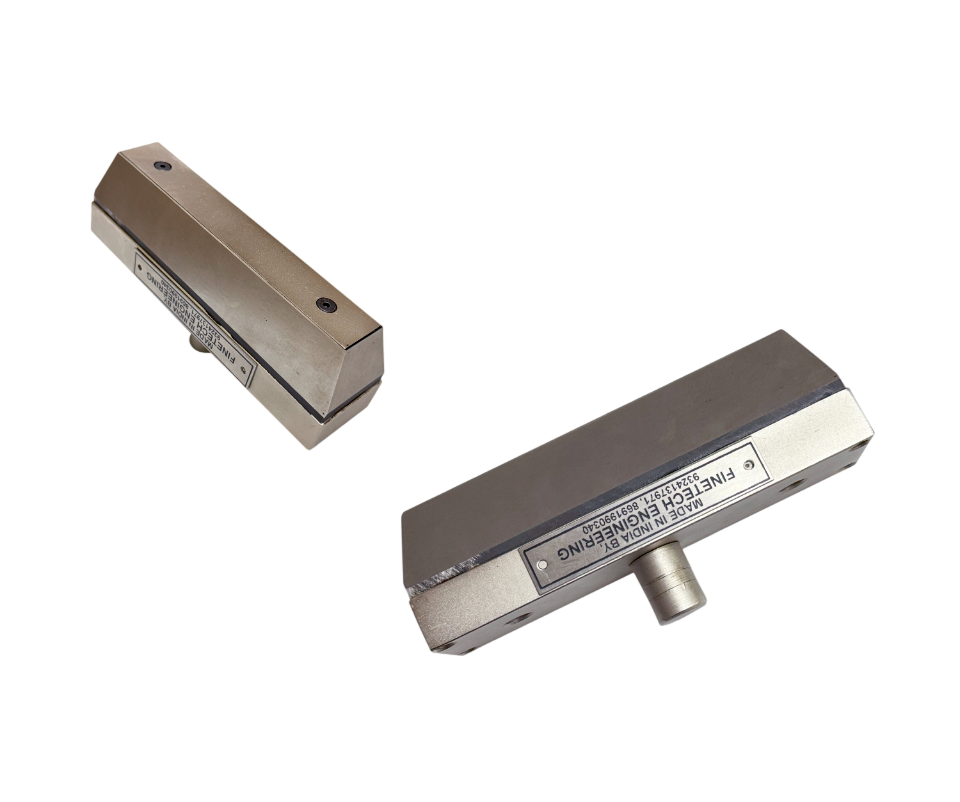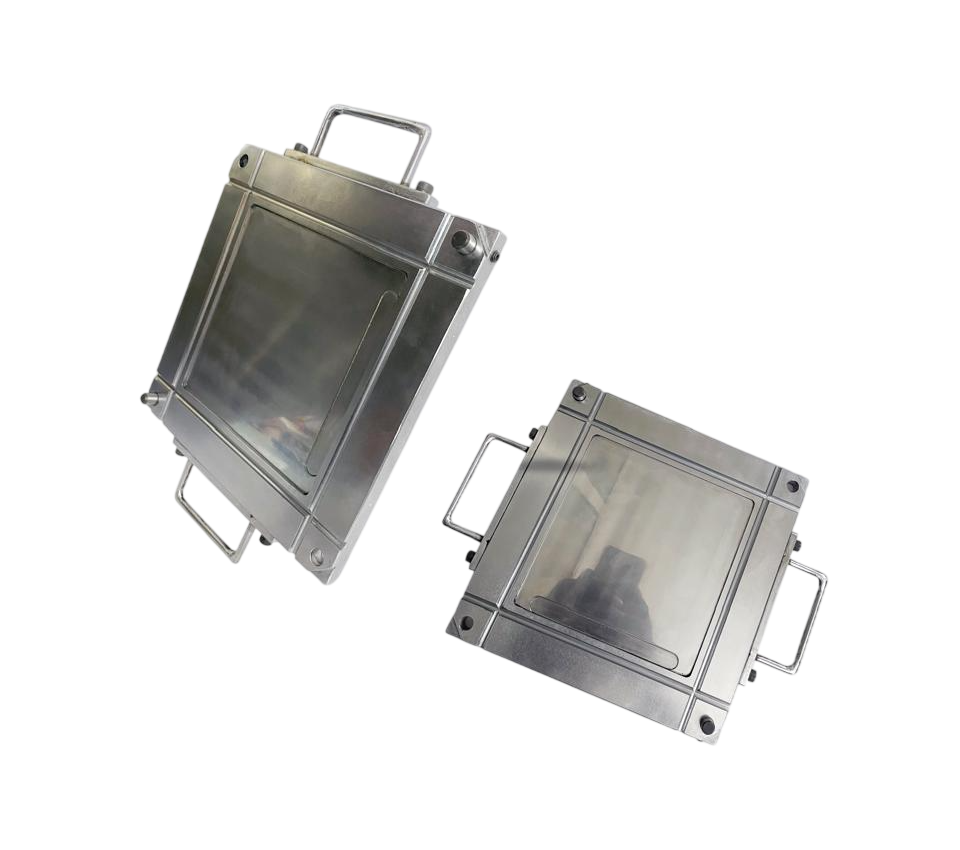







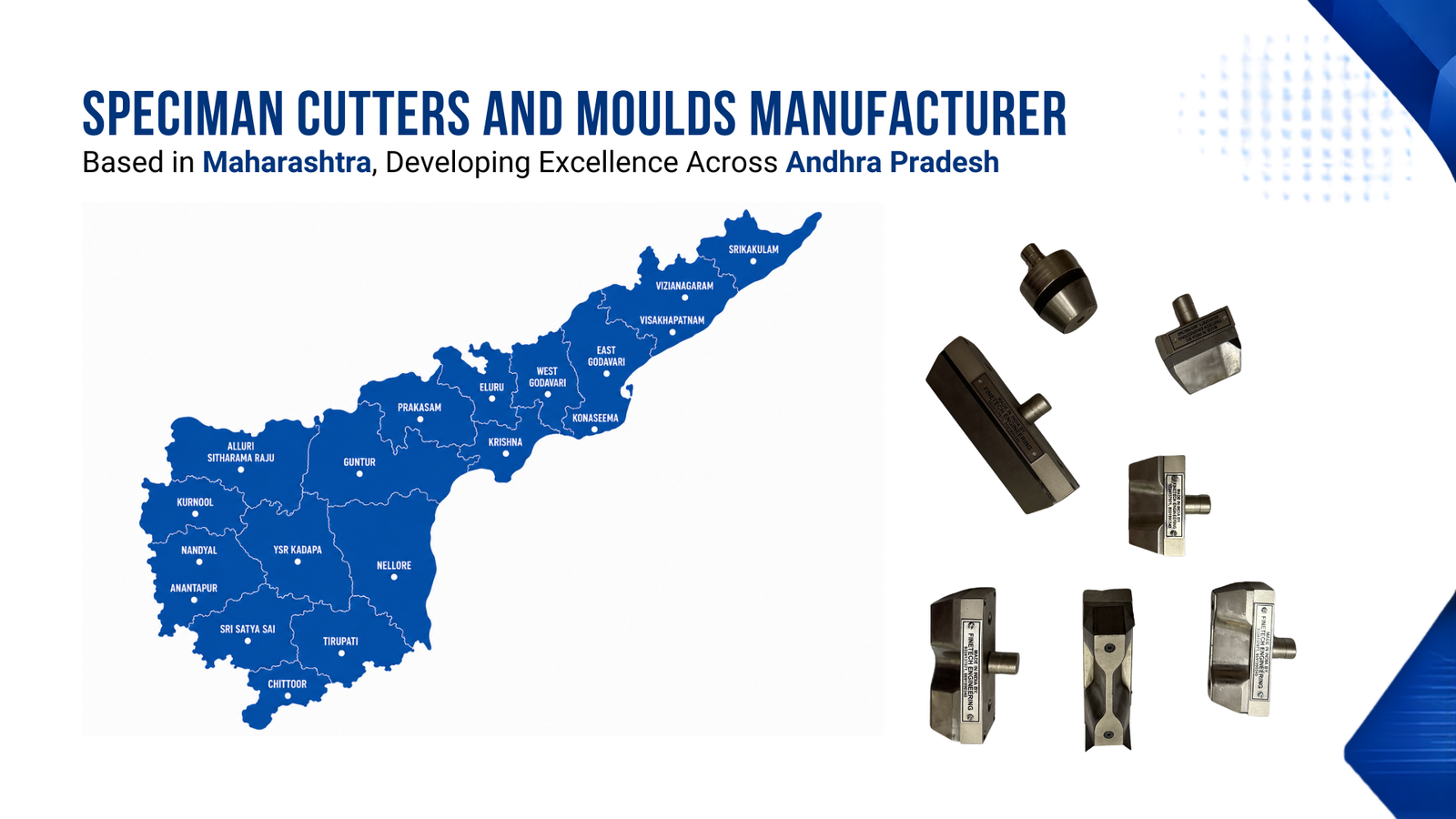
Andhra Pradesh’s testing labs work with two quite different plastic-film-heavy industries: pharma packaging, anchored by Visakhapatnam Pharma City, and agricultural plastics – mulch film, greenhouse film and irrigation piping – produced across the state’s agri-plastics processing sector. Both depend on correctly prepared test specimens as the starting point for tensile, tear and flexural testing. Finetech Engineering is a specimen cutter manufacturer Andhra Pradesh testing labs turn to because every cutter we build is dimensionally verified against its governing ASTM or ISO specification before it leaves our Wagle Estate, Thane factory.
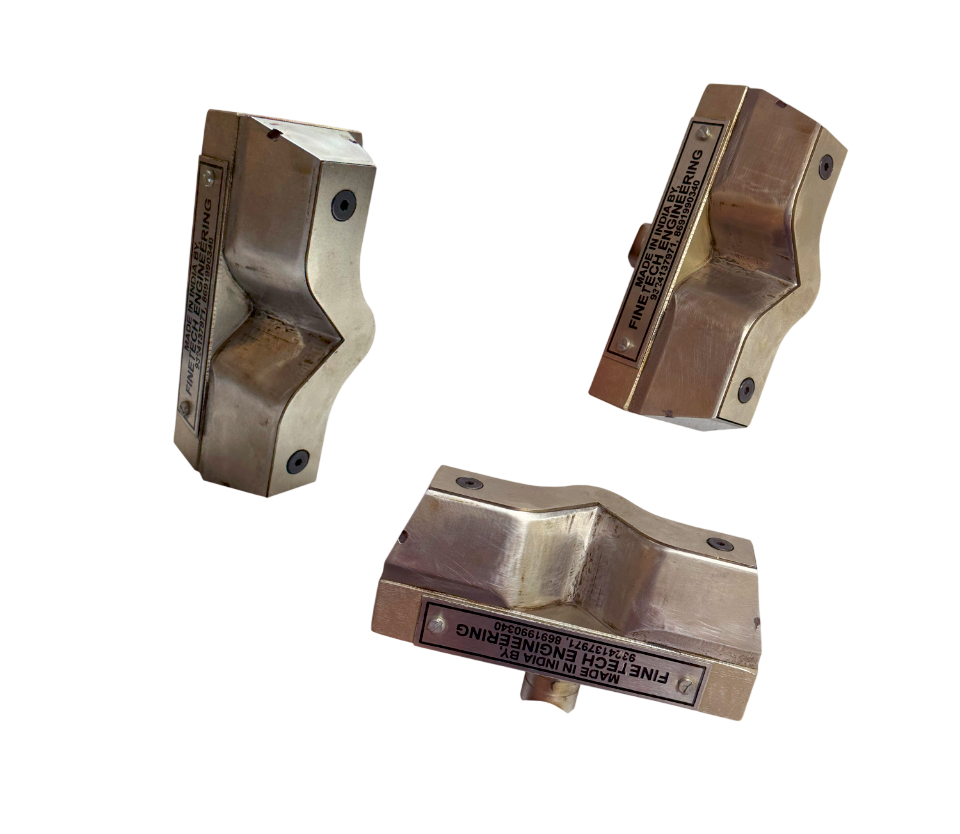
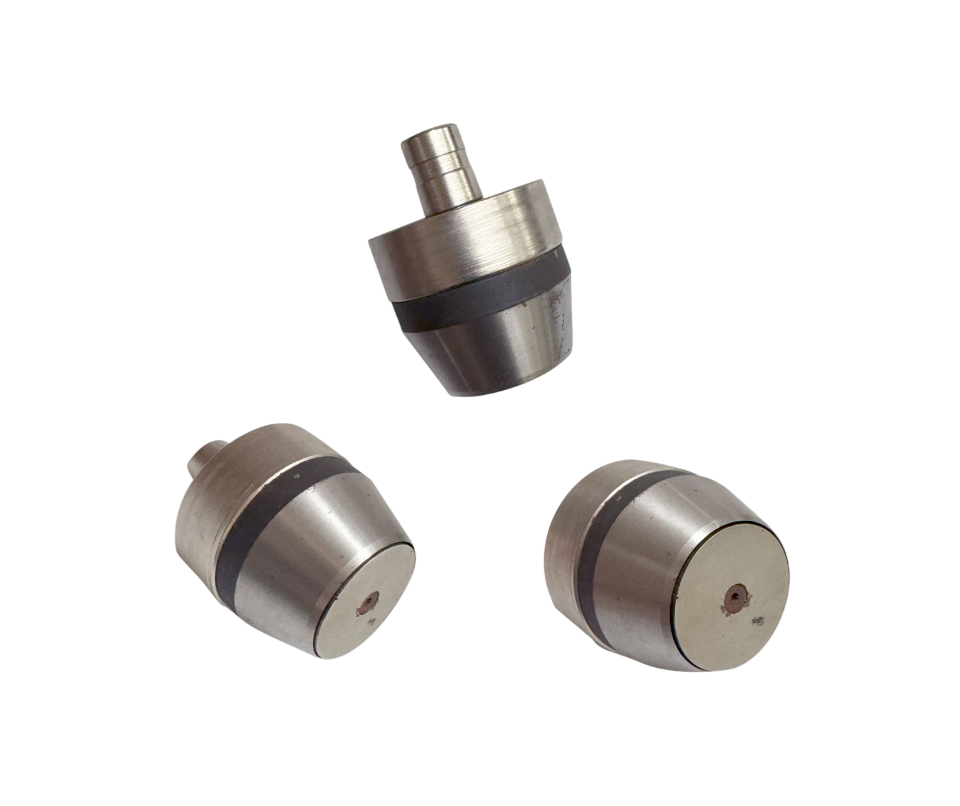
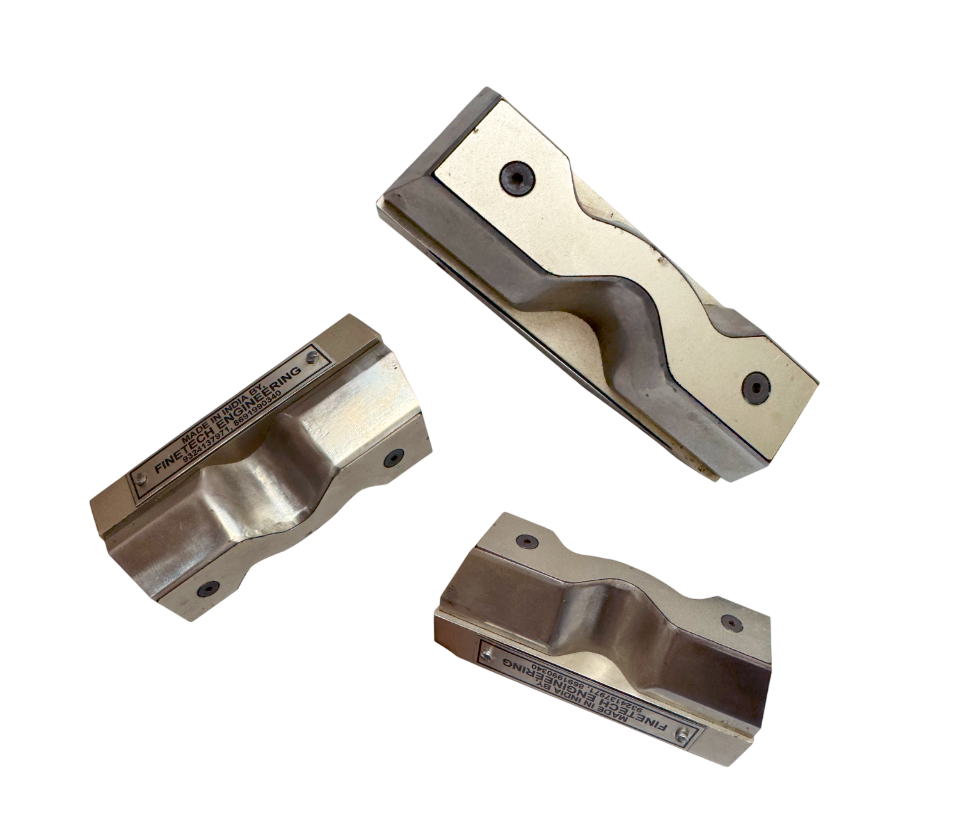
As a specimen cutter supplier Andhra Pradesh pharma packaging and agri-plastics labs have used since 2023, we manufacture dedicated cutters for the specimen shapes these industries need most: rectangle cutters for film and sheet strip specimens (the dominant need for pharma packaging film and agricultural mulch/greenhouse film), dumbbell cutters for tensile testing, tear cutters for tear-resistance testing, and the Round Cutter Andhra Pradesh labs specify for disc-shaped specimens from rigid components such as caps, closures and moulded plastic parts.
Our factory in Thane dispatches directly to specimen cutter manufacturer Visakhapatnam Pharma City facilities, as well as Vijayawada and the wider Andhra Pradesh industrial corridor. NABL traceable specimen cutter Andhra Pradesh dimensional certification is available on every cutter, supporting labs that need to demonstrate specimen-preparation traceability during NABL and pharma regulatory audits.
Tip: Pharma packaging film and agricultural film labs in Andhra Pradesh typically need a rectangle cutter first – for tensile and tear strip specimens – before a round cutter, since most of what they test is thin film and sheet rather than rigid disc-shaped components. Labs also handling rigid caps, closures or moulded components add a round cutter for those specimen shapes.
Round vs rectangle specimen cutter – for Andhra Pradesh’s pharma packaging and agri-plastics labs, this choice looks a little different than it does for rubber component testing, because most of what these industries test is thin film and sheet rather than moulded rubber discs:
Feature | Round Cutter | Rectangle Cutter |
Specimen shape produced | Circular disc, fixed diameter | Rectangular strip, fixed width and length |
Primary tests served | Compression or creep testing of rigid disc-shaped components (caps, closures); hardness testing where applicable | Tensile strength (ASTM D638), tear resistance (ASTM D1922/D1004), flexural strength (ASTM D790) of film and sheet |
Relevance to pharma packaging | Used for rigid cap and closure component testing, less central than for rubber testing | Primary specimen shape for blister film, laminate film and flexible packaging tensile/tear testing |
Relevance to agri-plastics | Occasionally used for rigid fitting or connector components | Primary specimen shape for mulch film, greenhouse film and sheeting tensile/tear testing |
Typical Andhra Pradesh use | Secondary cutter for rigid components in pharma packaging lines | First cutter purchased by most pharma packaging and agri-film testing labs |
Unlike rubber component testing – where a round cutter for compression set discs is often the first purchase – Andhra Pradesh’s pharma packaging and agri-plastics labs more often need the rectangle cutter first, since film and sheet strip specimens make up the majority of their testing volume. The Round Cutter Andhra Pradesh rigid closures labs add is typically for secondary needs – rigid caps, closures, or moulded connector components.
Tear resistance specimen preparation for pharma packaging and agricultural films involves different considerations than for rubber sheet, since these are typically thin, often multi-layer laminate materials rather than a single homogeneous rubber compound. Key preparation factors:
Note: For pharma packaging and agricultural films, always confirm whether your specification calls for ASTM D1922 (Elmendorf, pendulum-based) or ASTM D1004 (Graves, tensile-machine-based) – these use different specimen geometries and are not interchangeable. Where a specification genuinely references ASTM D624 (more common for rubber seals or gaskets sometimes used in pharma packaging assemblies), that is a separate, rubber-specific specimen and cutter.
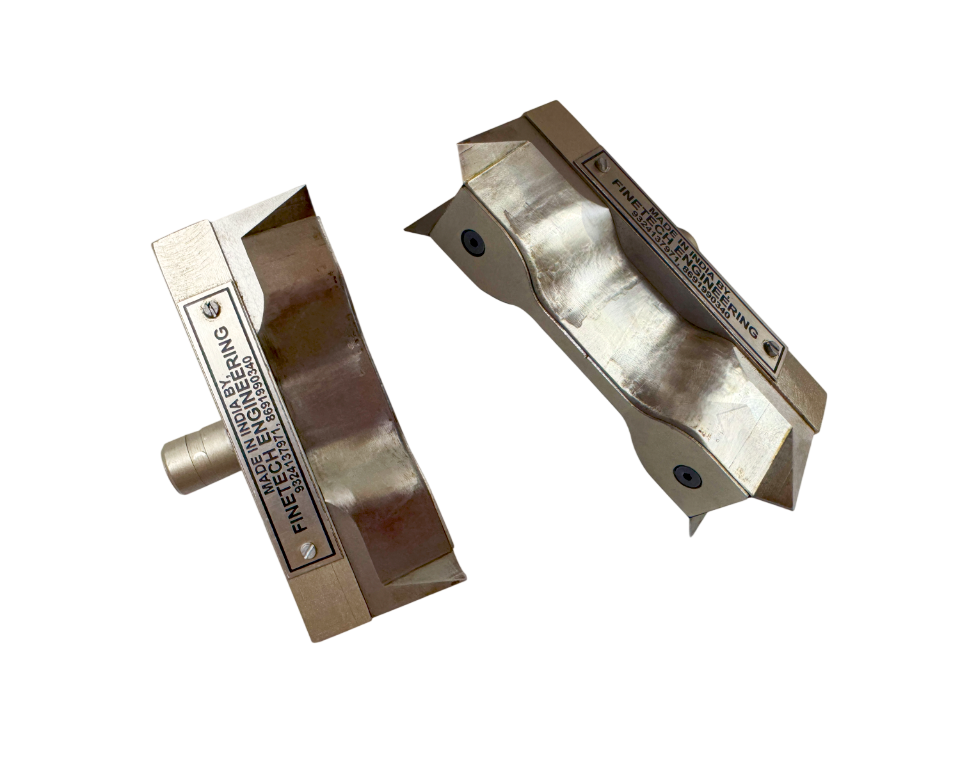
ASTM D624 cutter guide – while ASTM D624 is a rubber tear-test standard rather than a plastic film standard, it remains relevant to Andhra Pradesh’s pharma packaging sector wherever rubber seals, gaskets or closures are used alongside plastic packaging components. ASTM D624 defines three tear-test specimen die types:
Die Type | Specimen Shape | Notch | Best Suited For |
Die A | Unnicked 90° angle specimen | No notch – relies on the sharp internal angle as the tear-initiation point | General-purpose rubber tear testing; the most commonly specified die type |
Die B | Crescent-shaped specimen | No notch – the curved geometry concentrates stress at the specimen’s narrowest point | Softer, more extensible rubber compounds, including some rubber seal and gasket materials used in pharma packaging assemblies |
Die C | 90° angle specimen with an added nick (notch) | Includes a precisely cut nick at the base of the angle | Harder or stiffer rubber compounds needing a more controlled, repeatable tear-initiation point |
For Andhra Pradesh’s pharma packaging sector, ASTM D624 is most relevant where rubber components – closure liners, seals, gaskets – are part of the packaging assembly. For the plastic films that make up the bulk of pharma packaging and all of the state’s agricultural film production, ASTM D1922 or ASTM D1004 (covered above) are the applicable tear standards instead.
Note: Do not substitute an ASTM D624 rubber tear cutter for plastic film tear testing, or vice versa – the specimen geometries and test mechanisms are entirely different, and results from one cannot be compared to or substituted for the other.
As a specimen cutter supplier Andhra Pradesh testing labs have used since 2023, Finetech Engineering manufactures the following specimen-preparation range:
| Product | Specimen Prepared | Governing Standards |
| Rectangle Cutter | Rectangular strip specimen (film, sheet) | ASTM D638, ASTM D790, ASTM D1004, ASTM D1922 |
| Round Cutter | Circular disc specimen | ASTM D395, ASTM D2240 |
| Dumbbell Cutter | Dumbbell / dog-bone tensile specimen | ASTM D412, ASTM D638, ISO 37 |
| Tear Cutter | Angle, crescent, or nicked rubber tear specimen (Die A/B/C) | ASTM D624, ISO 34-1 |
| Crescent Cutter | Crescent-shaped rubber tear specimen (Die B) | ASTM D624 (Die B), ISO 34-1 |
| Test Specimen Moulds | Standard compression-moulded slabs / plaques | ASTM D3182, ISO 23529 |
We dispatch from our Thane factory and deliver directly to Visakhapatnam Pharma City, as well as Vijayawada and the wider Andhra Pradesh industrial corridor. As a specimen cutter manufacturer Andhra Pradesh labs have relied on, we also provide blade inspection, re-sharpening and replacement to keep your specimen preparation consistent over time.
Manufacturer, not a trader. Every cutter is designed, precision-ground and dimensionally verified at our Wagle Estate, Thane factory – not resold from another manufacturer.
ISO 9001 certified. ISO 9001 specimen cutter Andhra Pradesh standard is what we hold – our manufacturing is ISO 9001:2015 certified and our equipment is CE marked.
NABL-traceable dimensional certification. NABL traceable specimen cutter Andhra Pradesh – cutter dimensions verified and certified against the governing ASTM/ISO specification, supporting NABL-accredited lab audits.
Built for Andhra Pradesh’s pharma packaging and agri-plastics labs. We dispatch directly to specimen cutter manufacturer Visakhapatnam Pharma City facilities, plus Vijayawada and the wider Andhra Pradesh corridor.
Correct standard for the material, not a one-size-fits-all cutter. We supply film-specific tear cutters (ASTM D1922/D1004) alongside rubber-specific tear cutters (ASTM D624) – matched to whether you are testing plastic film or rubber components.
Re-sharpening and replacement support. We offer blade re-sharpening and replacement service to keep your cutters producing clean, repeatable specimen edges.

















All Equipments & specimen preparation products can be customised as per requirements.
The round vs rectangle specimen cutter choice for pharma packaging and agri-plastics is usually the rectangle cutter first, since most testing in these industries is on film and sheet - tensile (ASTM D638), tear (ASTM D1922/D1004) or flexural (ASTM D790) strip specimens. A round cutter is typically added later for rigid disc-shaped components like caps and closures, where it serves compression or creep testing rather than film testing.
Tear resistance specimen preparation for film requires: confirming whether ASTM D1922 (Elmendorf) or ASTM D1004 (Graves) applies rather than the rubber-specific ASTM D624; cutting and labelling specimens in both machine and cross direction if directional data is needed; ensuring a clean cut through multi-layer laminates without delamination; accounting for thickness variation across the film roll; and using a single firm press rather than a sawing motion for a clean cut edge.
ASTM D624 is a rubber tear-test standard, not a plastic film standard. It is relevant to Andhra Pradesh's pharma packaging sector only where rubber components - seals, gaskets, closure liners - are part of the packaging assembly. For the plastic films that make up the bulk of pharma packaging and all agricultural film production, ASTM D1922 or ASTM D1004 are the correct standards instead. The three ASTM D624 die types (A, B and C) each need a dedicated rubber tear cutter with different blade geometry. Is ASTM D624 correct for plastic film tear test work? No - for film, ASTM D1922 or ASTM D1004 is the correct choice; D624 is reserved for rubber components in the packaging assembly.
We are a manufacturer. As a specimen cutter manufacturer Andhra Pradesh labs have used since 2023, every cutter is designed, precision-ground and dimensionally verified in-house at our Wagle Estate, Thane facility - not purchased from another manufacturer and resold.
Yes. We hold ISO 9001 specimen cutter Andhra Pradesh certification - our manufacturing is ISO 9001:2015 certified and our equipment is CE marked. We also provide NABL traceable specimen cutter Andhra Pradesh dimensional certification, verifying cutter dimensions against the governing ASTM/ISO specification.
Yes. We are a specimen cutter manufacturer Visakhapatnam Pharma City facilities have sourced from directly, alongside Vijayawada and the wider Andhra Pradesh industrial corridor. Dispatch is from our Thane factory.