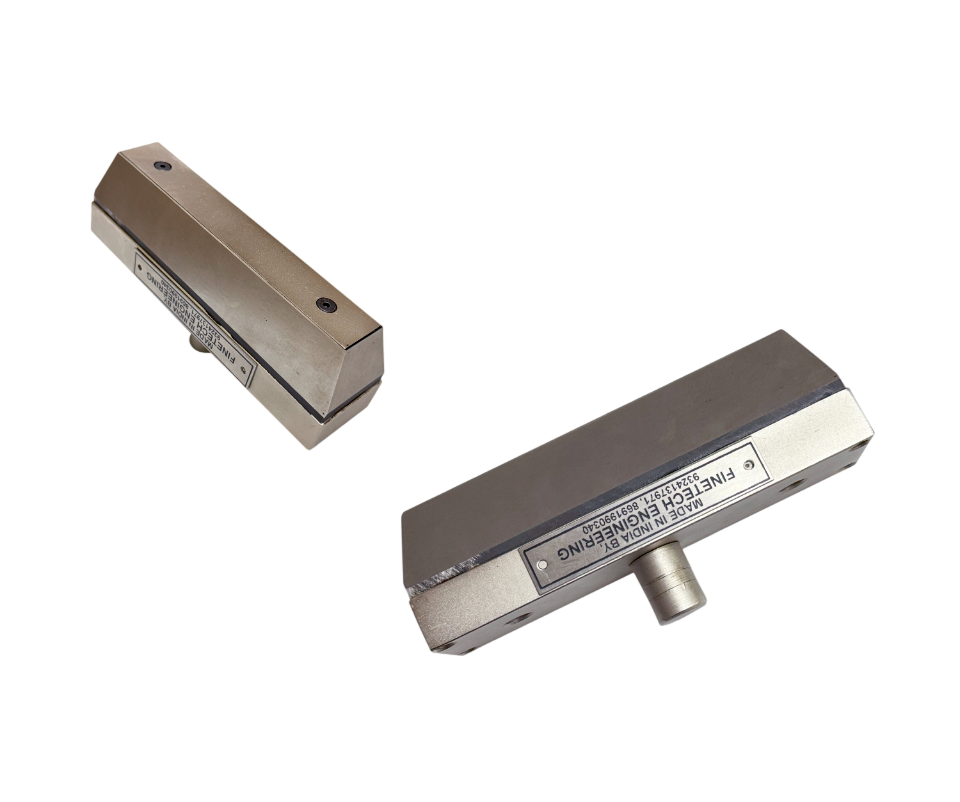







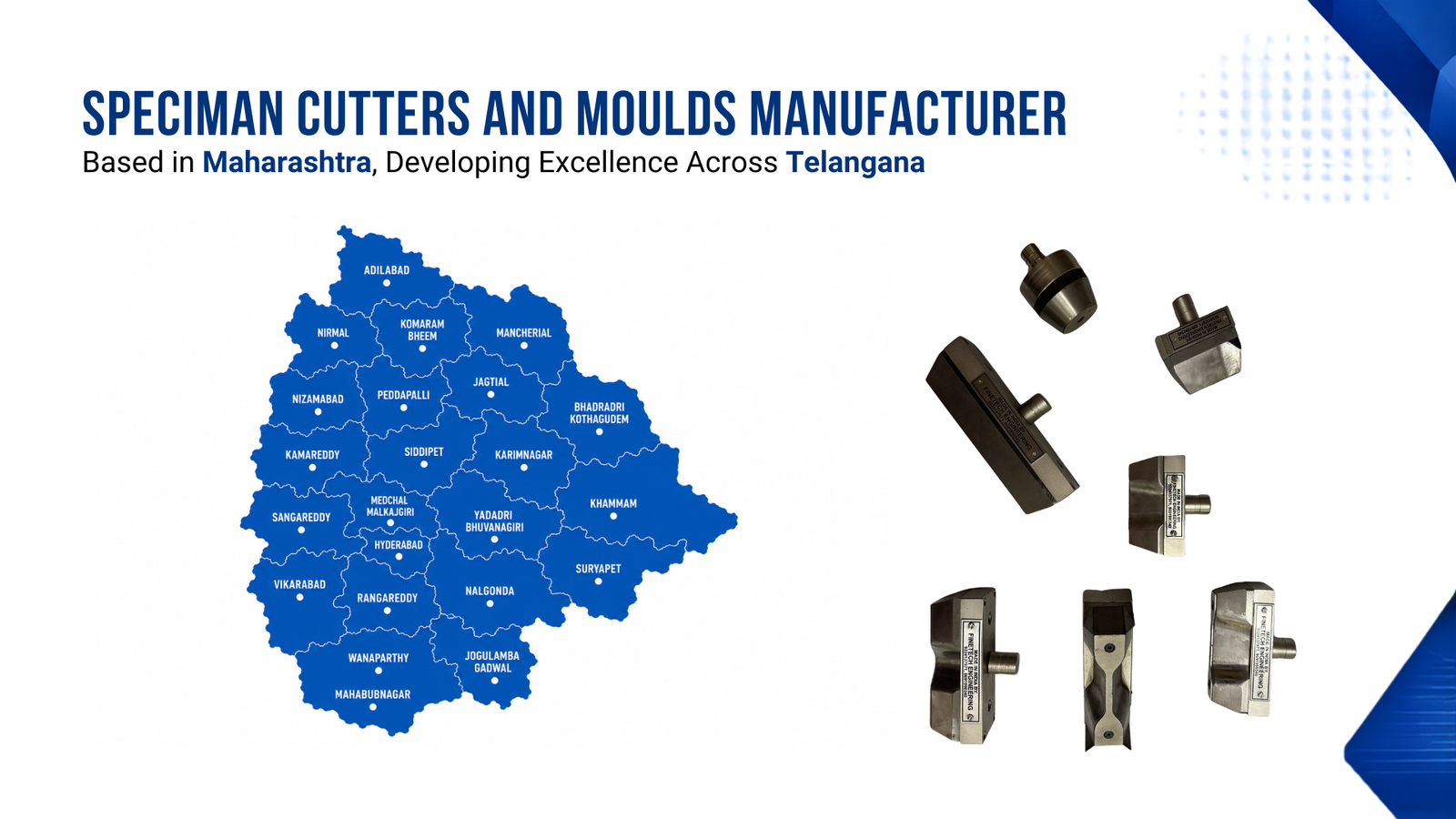
Telangana’s pharma packaging and plastics processing labs, concentrated around Hyderabad’s Jeedimetla and Pashamylaram industrial areas, depend on precisely dimensioned specimen cutters to prepare test pieces that give valid, comparable results. Finetech Engineering is a specimen cutter manufacturer Telangana testing labs turn to because every cutter we build is dimensionally verified against its governing ASTM or ISO specification before it leaves our Wagle Estate, Thane factory.
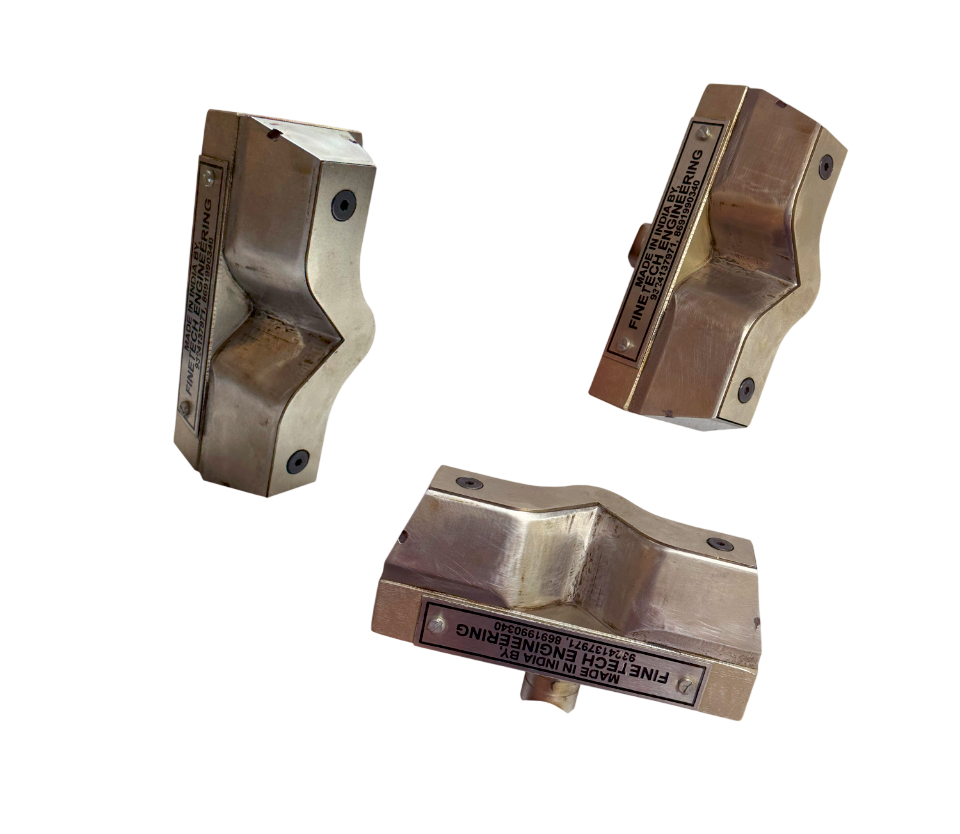
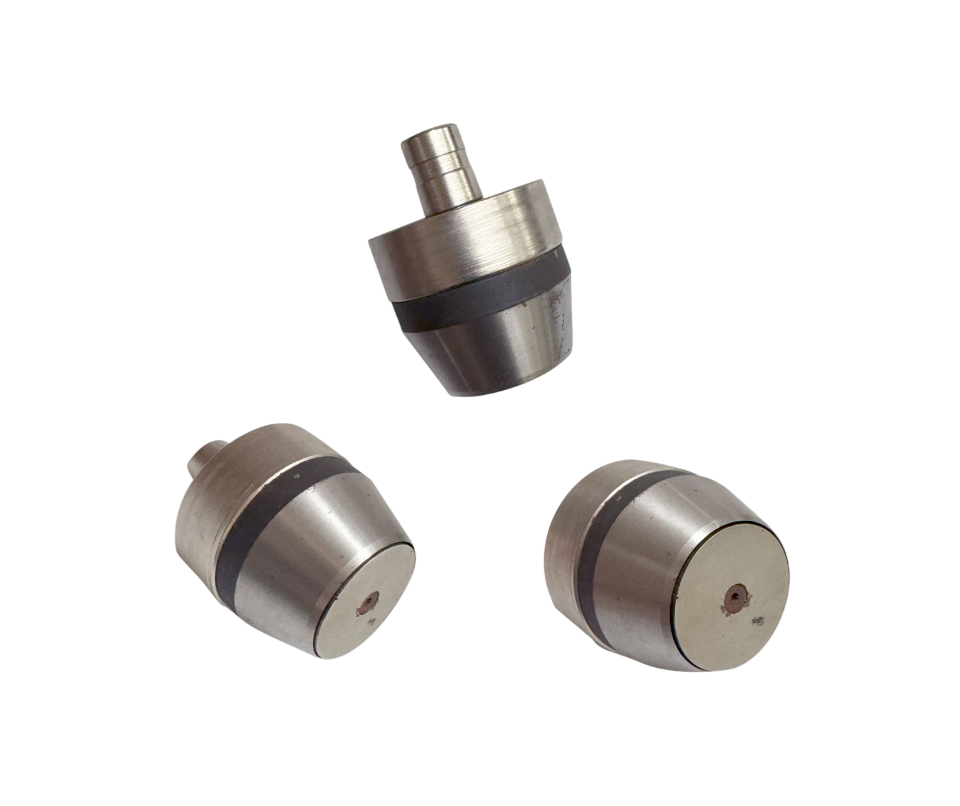
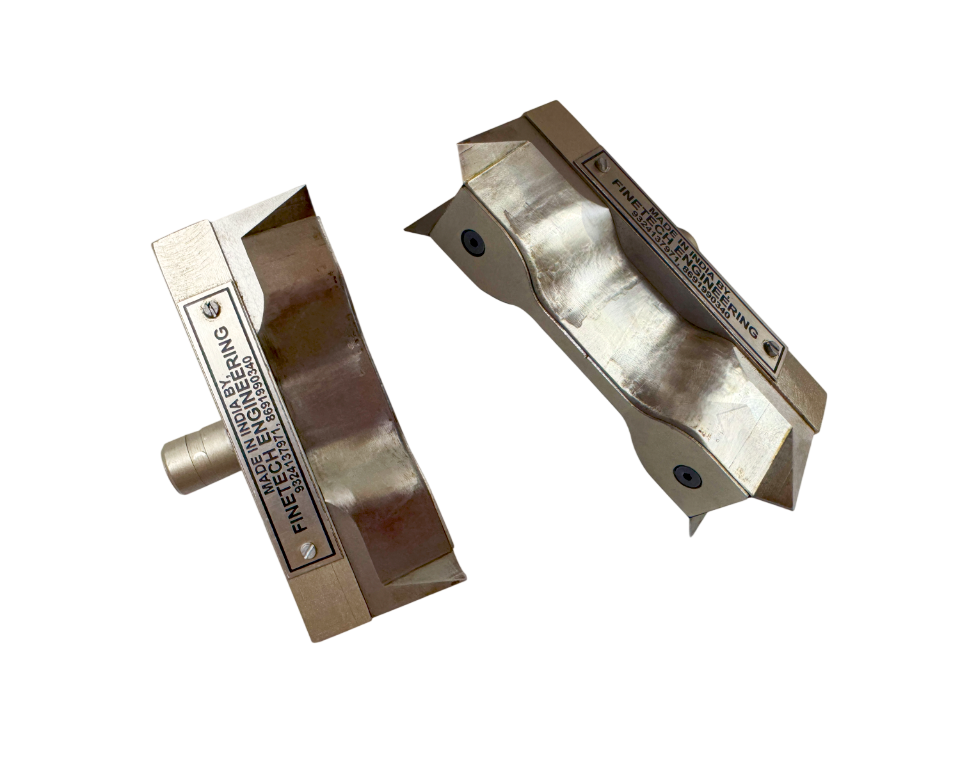
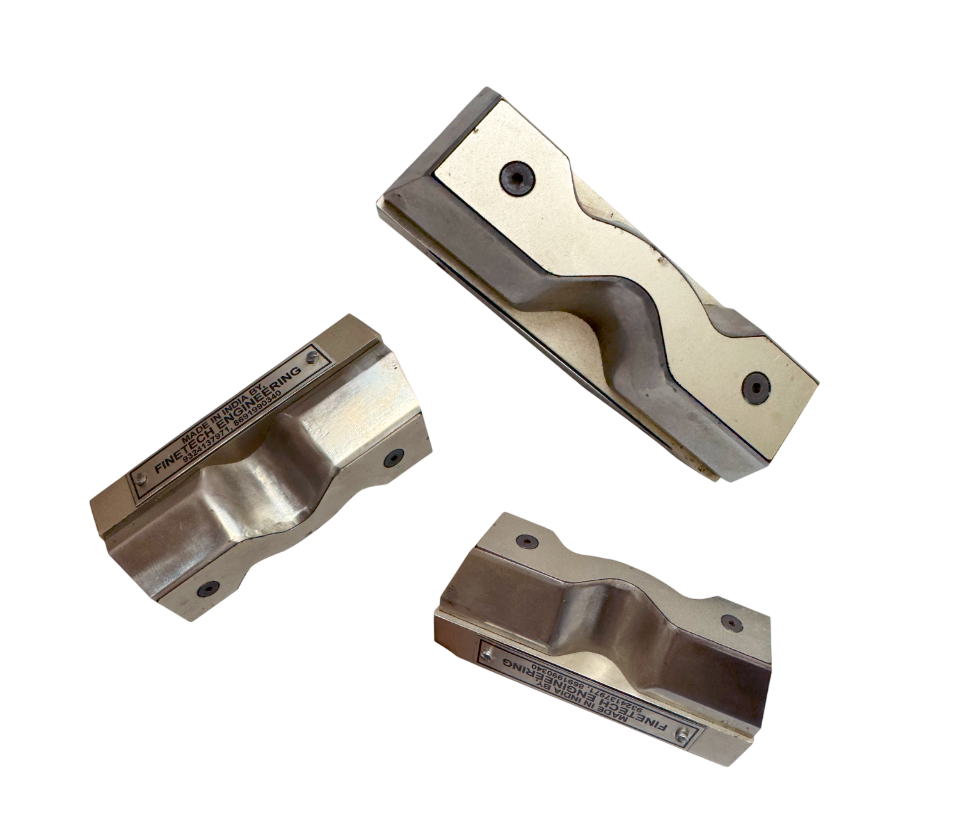
As a specimen cutter supplier Telangana pharma packaging and plastics processing labs have used since 2023, we manufacture dedicated cutters for every common specimen shape, including the Crescent Cutter Telangana Die B rubber labs specify for curved tear specimens, alongside dumbbell cutters for tensile testing, tear and round cutters, rectangle cutters, and test specimen moulds.
Our factory in Thane dispatches directly to specimen cutter manufacturer Jeedimetla-Pashamylaram, Hyderabad facilities, as well as the wider Telangana industrial belt. NABL traceable specimen cutter Telangana dimensional certification is available on every cutter, supporting labs that need to demonstrate specimen-preparation traceability during NABL and pharma regulatory audits.
Tip: Crescent cutters are a specialised tool for one specific tear-test geometry – if your lab is expanding testing scope and you are unsure whether you need a crescent cutter or the more general-purpose angle tear cutter (ASTM D624 Die A/C), tell us the specification you are qualifying against and we will confirm the right die type.
What is a crescent specimen cutter – a crescent cutter is a specimen-preparation tool that punches a curved, crescent-moon-shaped tear specimen from a rubber sheet, corresponding to Die B under ASTM D624 (or the equivalent crescent geometry under ISO 34-1). It is a distinct tool from the angle-shaped tear cutters (Die A and Die C), producing a specimen with a fundamentally different geometry and tear-initiation mechanism.
Note: A crescent cutter produces only the Die B specimen shape – it cannot be used interchangeably with Die A or Die C angle cutters, since the blade geometry and the resulting stress-concentration mechanism are completely different. Confirm which die type your specification names before ordering.
Dumbbell cutter dimensions ASTM reference table – dumbbell tensile specimens are defined precisely by their governing standard, and different dies produce specimens with different dimensions. This reference table covers the dumbbell die types most commonly used across rubber and plastics testing in Telangana:
Standard / Die | Material | Overall Length | Narrow Width | Gauge Length |
ASTM D412 Die A | Rubber | 115 mm | 6.0 mm | 25 mm |
ASTM D412 Die B | Rubber | 115 mm | 12.5 mm | 25 mm |
ASTM D412 Die C | Rubber | 115 mm | 6.0 mm | 33 mm |
ASTM D412 Die D | Rubber | 115 mm | 3.0 mm | 25 mm |
ISO 37 Type 1 | Rubber | 135 mm | 25 mm (wide grip section) | – (large specimen, less common) |
ISO 37 Type 2 | Rubber | 75 mm (approx.) | 4.0 mm | 20 mm |
ISO 37 Type 3 | Rubber | 35 mm (approx.) | 2.0 mm | 12 mm (small specimen) |
ASTM D638 Type I | Rigid plastics | 165 mm | 13 mm | 50 mm |
ASTM D638 Type IV | Plastics (incl. some flexible) | 115 mm | 6 mm | 25 mm |
The critical point in dumbbell cutter dimensions ASTM reference is that every die type above needs its own dedicated cutter – the blade geometry is fixed to one specimen shape and cannot be adjusted to produce a different die’s dimensions. Telangana labs testing both rubber (typically ASTM D412) and plastics (typically ASTM D638) for pharma packaging and plastics processing customers often need cutters from both standards, and sometimes ISO 37 as well for European-origin specifications. An ASTM D412 Die A B C D dimensions specimen cutter set covers rubber tensile testing completely, while an ISO 37 Type 1 2 3 dumbbell specimen dimensions set covers the equivalent European-standard range – Telangana labs supplying both markets often need both sets on hand.
Note: Dimensions above are approximate reference values compiled from the commonly cited versions of each standard. Confirm exact current dimensions against the latest published ASTM D412, ASTM D638 and ISO 37 documents before finalising a cutter order – minor dimensional revisions occur between standard editions.
NABL traceable cutter meaning specimen preparation is worth explaining clearly, since “traceability” is more commonly associated with calibrated measurement instruments (like a UTM’s load cell) than with a cutting tool. For a specimen cutter, NABL traceability means something slightly different but equally important:
Note: NABL accreditation applies to laboratories and calibration bodies, not directly to a manufactured product like a cutter. When we describe a specimen cutter as “NABL traceable,” we mean its dimensional verification was performed using equipment and a process traceable to national measurement standards – this is what supports your own lab’s NABL accreditation requirements around specimen preparation equipment, not a claim that the cutter itself holds NABL accreditation.
As a specimen cutter supplier Telangana testing labs have used since 2023, Finetech Engineering manufactures the following specimen-preparation range:
| Product | Specimen Prepared | Governing Standards |
| Crescent Cutter | Crescent-shaped tear specimen (Die B) | ASTM D624 (Die B), ISO 34-1 |
| Dumbbell Cutter | Dumbbell / dog-bone tensile specimen | ASTM D412 (Die A/B/C/D), ASTM D638, ISO 37 |
| Tear Cutter | Angle or nicked tear specimen (Die A/C) | ASTM D624, ISO 34-1 |
| Round Cutter | Circular disc specimen | ASTM D395, ASTM D2240 |
| Rectangle Cutter | Rectangular strip specimen | ASTM D790, ASTM D1004 |
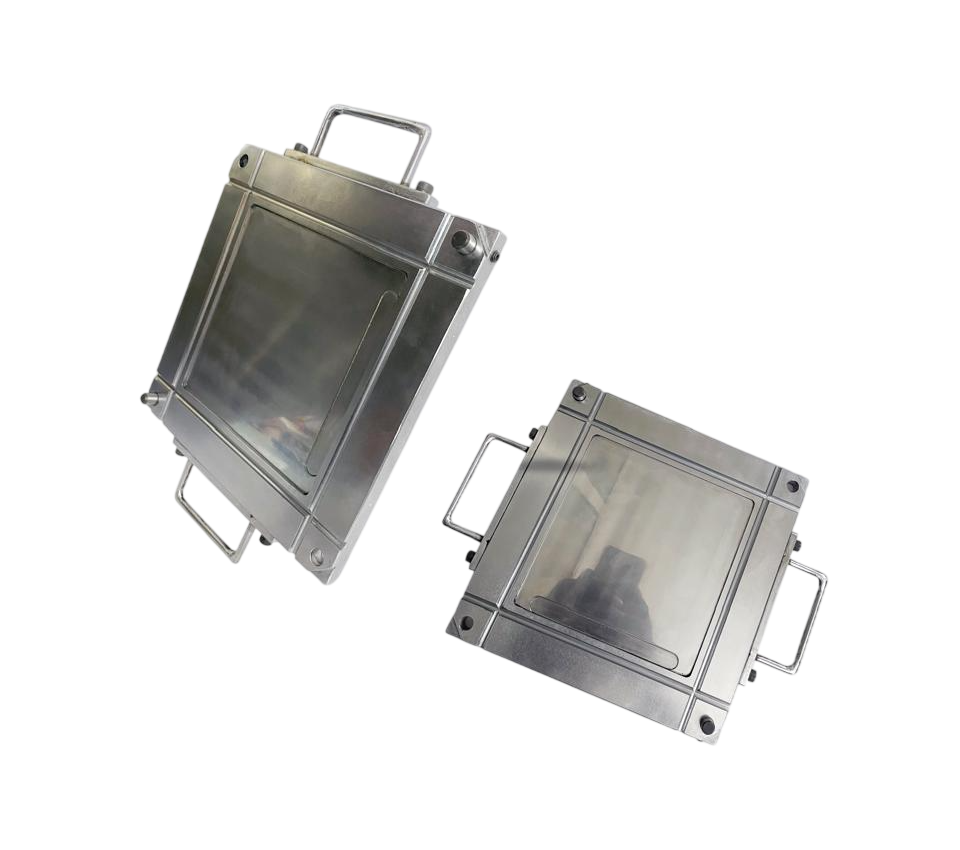
| Test Specimen Moulds | Standard compression-moulded slabs / plaques | ASTM D3182, ISO 23529 |
We dispatch from our Thane factory and deliver directly to the Jeedimetla and Pashamylaram industrial areas of Hyderabad, as well as the wider Telangana industrial belt. As a specimen cutter manufacturer Telangana labs have relied on, we also provide blade inspection, re-sharpening and replacement to keep your specimen preparation consistent over time.
Manufacturer, not a trader. Every cutter is designed, precision-ground and dimensionally verified at our Wagle Estate, Thane factory – not resold from another manufacturer.
ISO 9001 certified. ISO 9001 specimen cutter Telangana standard is what we hold – our manufacturing is ISO 9001:2015 certified and our equipment is CE marked.
NABL-traceable dimensional certification. NABL traceable specimen cutter Telangana – cutter dimensions verified and certified against the governing ASTM/ISO specification, supporting NABL-accredited lab audits.
Built for Telangana’s pharma and plastics labs. We dispatch directly to specimen cutter manufacturer Jeedimetla-Pashamylaram, Hyderabad facilities, plus the wider Telangana industrial belt.
Precision dimensional accuracy across every die type. We manufacture dedicated cutters for each ASTM/ISO die – not a compromise or adjustable tool – because specimen accuracy depends on the exact geometry your specification calls for.
Re-sharpening and replacement support. We offer blade re-sharpening and replacement service to keep your cutters producing clean, repeatable specimen edges.

















All Equipments & specimen preparation products can be customised as per requirements.
What is a crescent specimen cutter - it is a specimen-preparation tool that punches a crescent-moon-shaped tear specimen from rubber sheet, corresponding to Die B under ASTM D624. Unlike angle-shaped tear cutters (Die A/C), which use a sharp internal angle as the tear-initiation point, the crescent cutter uses a continuously curved edge, with the tear initiating at the narrowest point of the curve. It is typically used for softer, more extensible rubber compounds where an angle specimen may not reliably initiate a clean tear.
Dumbbell cutter dimensions ASTM reference table varies by die type and standard: ASTM D412 offers Dies A, B, C and D (rubber), each with different narrow-section widths and gauge lengths at a common 115 mm overall length. ASTM D638 (plastics) uses different specimen types (Type I, Type IV, etc.) with their own dimensions. ISO 37 offers Types 1, 2 and 3, generally smaller than the ASTM D412 dies. Each die type needs a dedicated cutter, since the dimensions and blade geometry are not interchangeable between standards or die types.
NABL traceable cutter meaning specimen preparation: since a cutter does not take a measurement the way a testing instrument does, traceability for a cutter refers to verifying its physical dimensions (blade length, width, notch depth, outline) against the governing standard's specification, using dimensional measurement equipment that is itself calibrated and traceable to national measurement standards. This supports your lab's specimen-preparation documentation for NABL accreditation, even though the cutter itself does not hold NABL accreditation - accreditation applies to laboratories, not to manufactured products.
We are a manufacturer. As a specimen cutter manufacturer Telangana labs have used since 2023, every cutter is designed, precision-ground and dimensionally verified in-house at our Wagle Estate, Thane facility - not purchased from another manufacturer and resold.
Yes. We hold ISO 9001 specimen cutter Telangana certification - our manufacturing is ISO 9001:2015 certified and our equipment is CE marked. We also provide NABL traceable specimen cutter Telangana dimensional certification, verifying cutter dimensions against the governing ASTM/ISO specification.
Yes. We are a specimen cutter manufacturer Jeedimetla-Pashamylaram, Hyderabad facilities have sourced from directly, alongside the wider Telangana industrial belt. Dispatch is from our Thane factory.