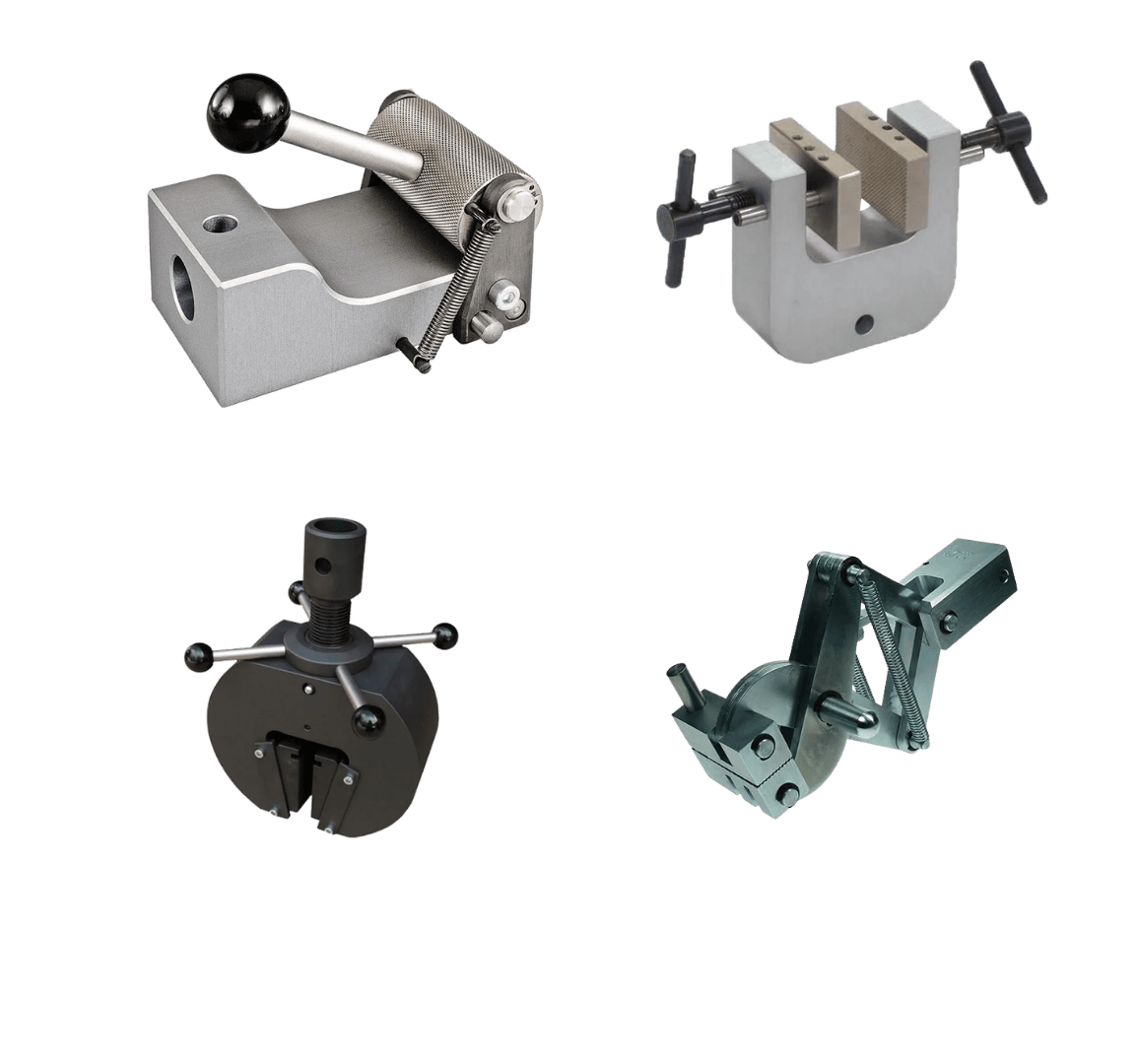







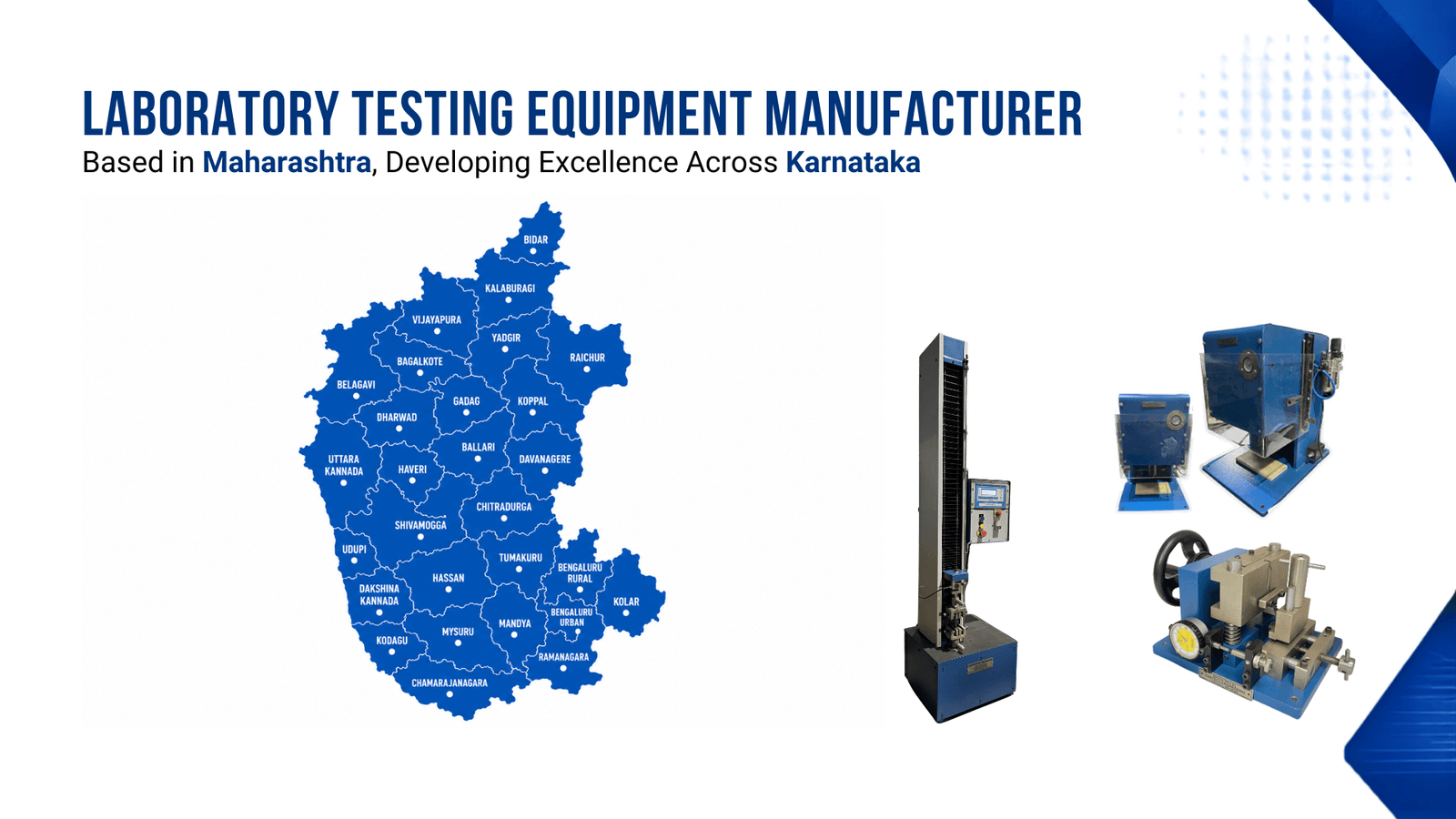
Karnataka’s rubber component demand comes from an unusually mixed industrial base concentrated around Bengaluru’s Peenya Industrial Area: electronics manufacturers needing rubber grommets, seals and vibration mounts for enclosures; auto-component makers needing rubber-metal and rubber-plastic hybrid parts; and general rubber processors supplying both. This mix means Karnataka rubber labs often test very different components – a soft electronics enclosure seal and a structural auto mount – on the same equipment set. Finetech Engineering is a Rubber Laboratory Testing Equipment manufacturer Karnataka rubber component makers have sourced from since 2023, supplying this full testing range from our Wagle Estate, Thane factory.
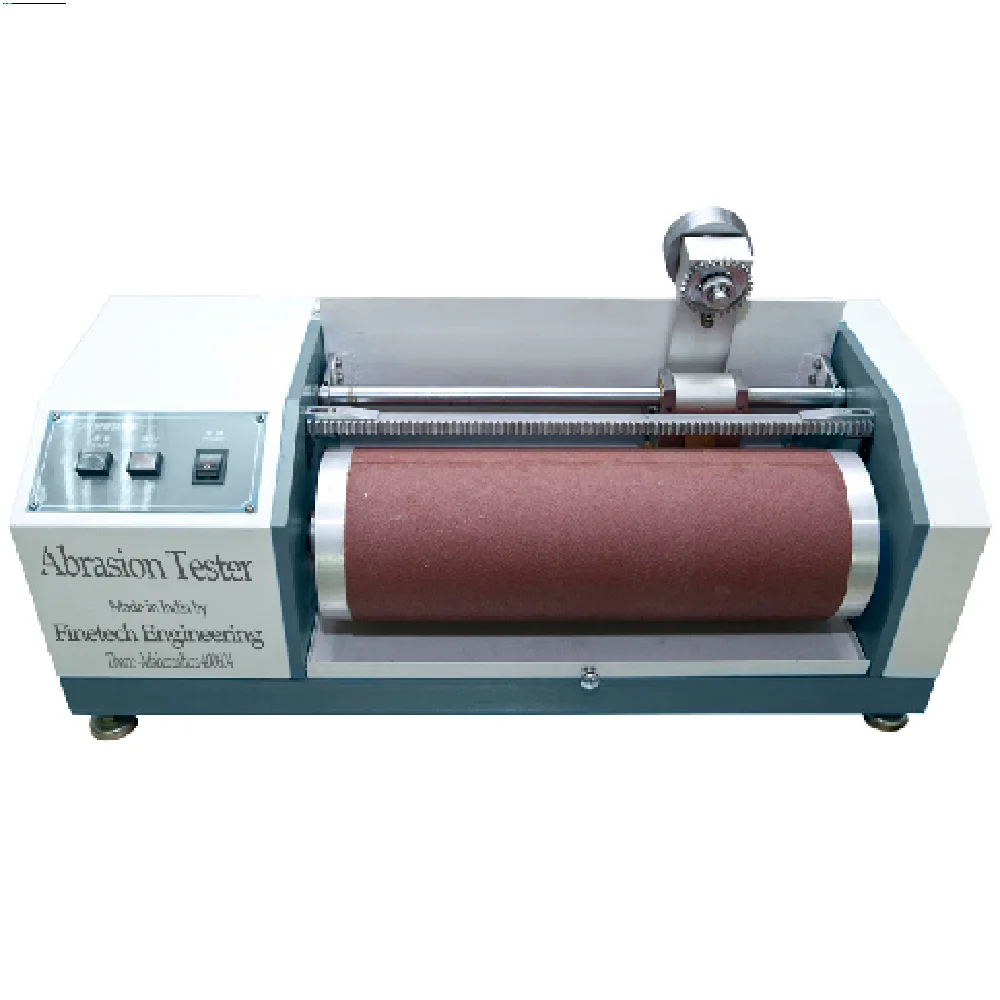
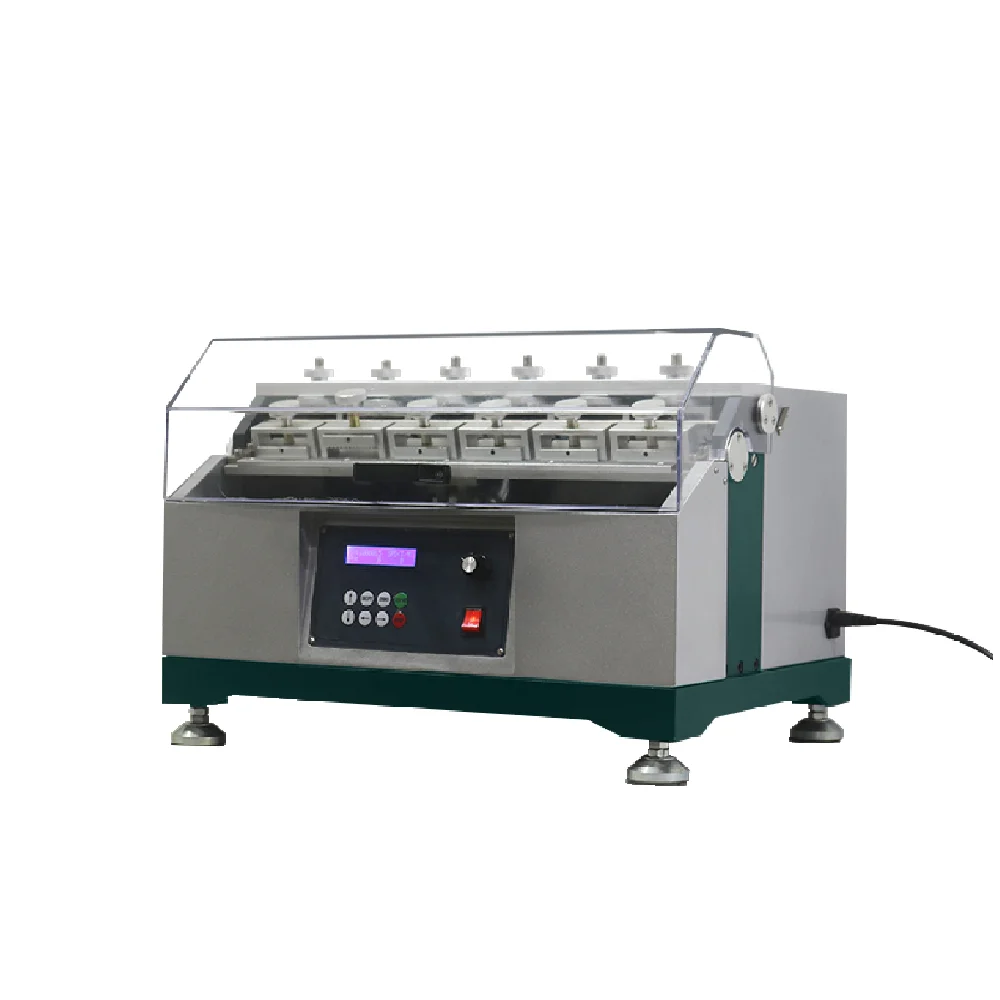
As a Rubber Laboratory Testing Equipment supplier Karnataka plants rely on, the DIN Abrasion Tester Karnataka plants order most qualifies wear resistance for rubber seals and grommets subject to repeated insertion, removal or sliding contact in electronics and auto assembly – a less obvious but genuinely important abrasion application compared to the tyre-tread wear testing more commonly associated with DIN abrasion.
We dispatch and install across the Rubber Laboratory Testing Equipment manufacturer Peenya Industrial Area, Bengaluru corridor, with regular scheduled delivery routes covering this belt and the wider Karnataka industrial area. NABL traceable Rubber Laboratory Testing Equipment Karnataka calibration is supplied with every instrument, supporting NABL-accredited labs and OEM supplier-audit requirements.
Tip: Karnataka’s electronics and auto-component rubber parts often span a wide hardness range on the same production line – soft Shore A grommets and seals alongside harder Shore D structural components. Confirm which hardness scale your specification requires before testing; using the wrong scale for a given hardness range gives an unreliable reading. The answer to ‘which hardness scale rubber grommet vs structural part’ selection needs is simple: Shore A for the grommet, Shore D for the structural part – using the wrong scale for either gives a reading that clusters unreliably at one end of the range.
What is DIN abrasion test electronics rubber seals – the DIN abrasion test (DIN ISO 4649) measures how much material a rubber specimen loses when rubbed against a standard abrasive surface under controlled conditions. For Karnataka’s electronics and auto-component rubber makers, this matters less for tyre-tread wear (the application most commonly associated with this test) and more for a different, less obvious wear mechanism: repeated insertion, removal and sliding contact of rubber seals and grommets during assembly and equipment servicing.
Note: DIN ISO 4649 is the standard most commonly referenced for general rubber abrasion resistance in India, aligning with IS 3400. If your specification instead references ASTM D1630 (Akron abrasion), that is a different test method with a different mechanism – confirm which one your customer specification requires.
The Shore A vs Shore D rubber electronics auto components choice for Karnataka’s electronics and auto-component rubber parts is really a component-selection question, not just a testing-method question:
Feature | Shore A | Shore D |
Typical hardness range | Soft to medium rubber (most elastomer seals and grommets) | Hard rubber and ebonite (rigid components) |
Electronics application | Enclosure seals, cable grommets, vibration-isolating mounts – need enough softness to conform and seal without excessive assembly force | Rare in electronics – most electronics rubber components are soft-to-medium hardness |
Auto-component application | Softer seals, gaskets, and vibration-isolation bushings | Structural rubber-metal or rubber-plastic hybrid parts needing rigidity alongside some elastomeric properties |
Typical Karnataka selection logic | Default scale for the majority of electronics and general auto rubber seals/grommets | Used specifically for harder structural rubber components where Shore A would read near the top of its scale |
For most of Karnataka’s electronics rubber components – grommets, cable seals, gaskets – Shore A is the correct and sufficient scale. Shore D becomes relevant specifically for the harder, more structural rubber components found in some auto-component applications, where a Shore A reading would sit uncomfortably close to the top of its 0-100 range and lose measurement precision.
Note: This comparison covers the same ASTM D2240 durometer methods referenced on our other pages, applied here to the specific component-selection logic relevant to Karnataka’s electronics and auto-component rubber parts.
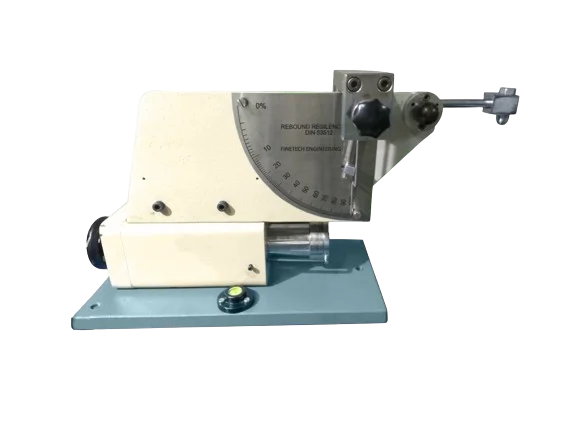
Rebound resilience test vibration damping mount – for Karnataka’s electronics and auto-component manufacturers, rebound resilience testing (ASTM D2632) is most relevant to vibration-damping and shock-isolation mounts, a different application context from the tyre-tread compound development this test is more commonly associated with.
Tip: If you are developing a new vibration-damping mount compound for electronics or auto applications, rebound resilience testing alongside Shore hardness gives a useful early screening pair – hardness affects the mount’s stiffness/deflection characteristics, while rebound resilience indicates how effectively it damps versus transmits vibration energy.
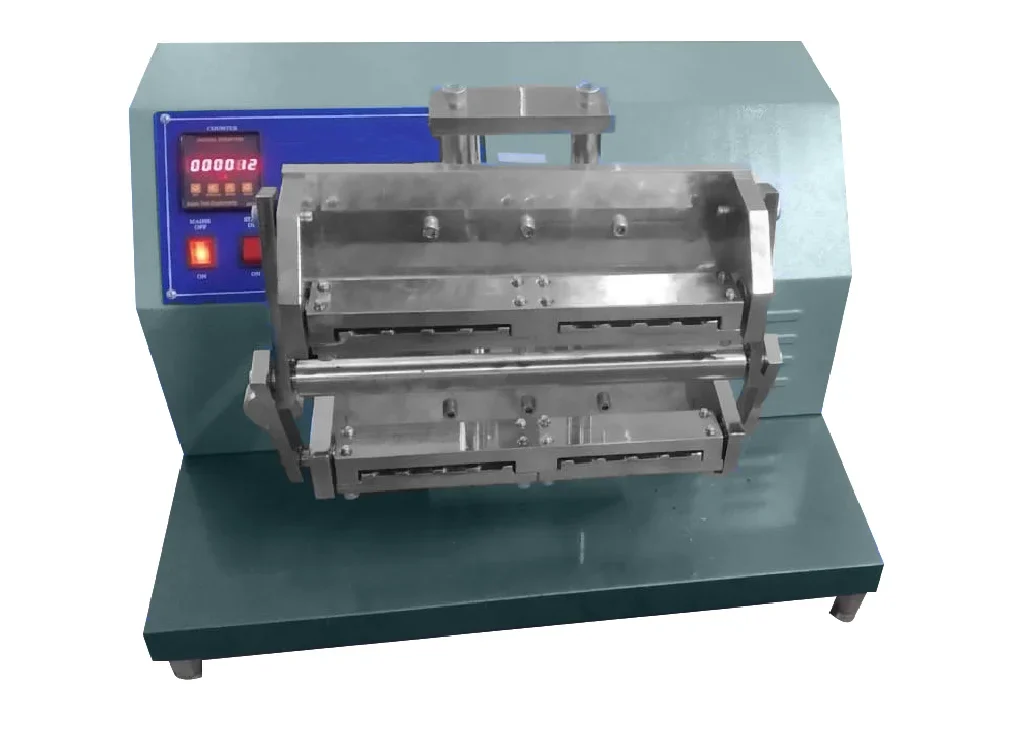
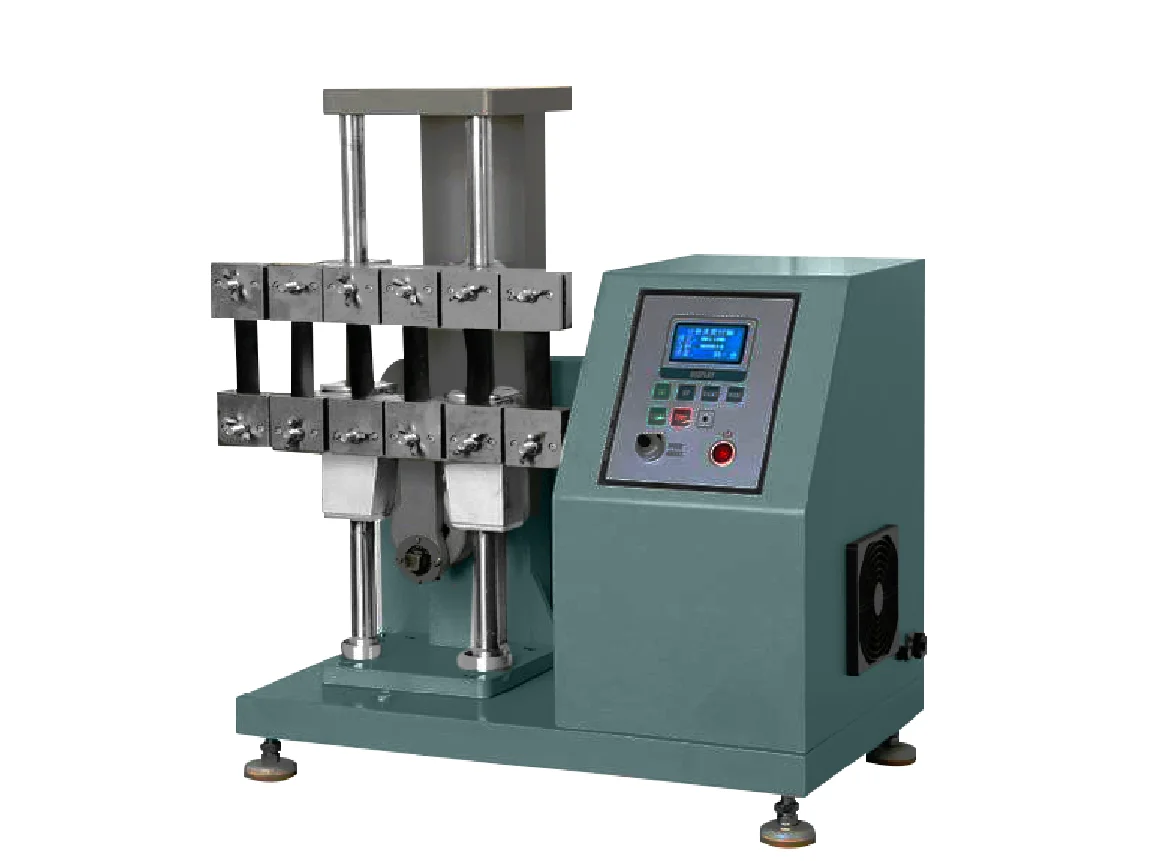
As a Rubber Laboratory Testing Equipment supplier Karnataka plants have used since 2023, Finetech Engineering supplies the following instruments, each built to the named ASTM/ISO/DIN standard:
| Instrument | What It Tests | Primary Standards | Why Karnataka Plants Need It |
| DIN Abrasion Tester | Volume loss of rubber under abrasive wear | DIN ISO 4649, IS 3400 | Wear-resistance QC for electronics seals/grommets and auto rubber components |
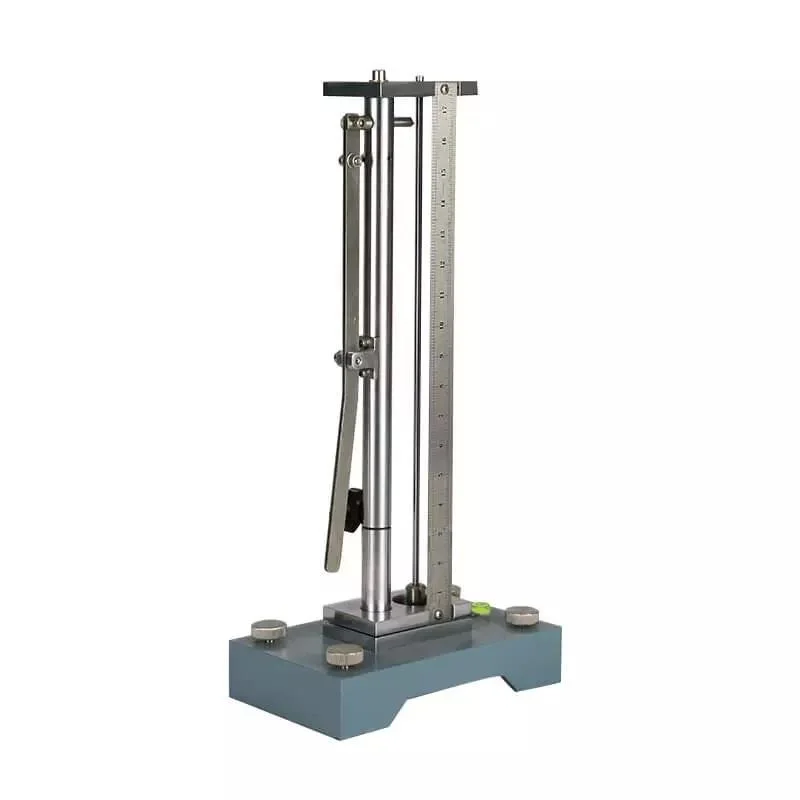
| Shore A Hardness Tester | Indentation hardness of soft to medium rubber | ASTM D2240 | Default scale for electronics grommets, seals and most auto rubber parts |
| Shore D Hardness Tester | Indentation hardness of hard rubber and ebonite | ASTM D2240 | Structural rubber-metal/rubber-plastic hybrid auto components |
| Pendulum Rebound Resilience Tester | Rebound resilience / energy return of rubber after impact | ASTM D2632, ISO 4662 | Vibration-damping mount qualification for electronics and auto applications |
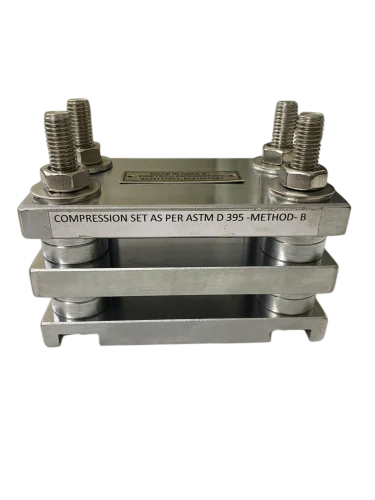
| Compression Set Apparatus | Permanent deformation of rubber after sustained compression | ASTM D395, ISO 815 | Qualification for long-term sealing performance of grommets and seals |
| Universal Testing Machine (UTM) | Tensile strength, elongation at break, modulus | ASTM D412, ISO 37 | Fundamental mechanical property testing for rubber compound approval |
We dispatch from our Thane factory and deliver directly to the Peenya Industrial Area of Bengaluru, as well as the wider Karnataka industrial belt. As a Rubber Laboratory Testing Equipment manufacturer Karnataka plants have relied on, our team handles installation, calibration, operator training and ongoing AMC support.
Manufacturer, not a trader. Every instrument is designed, built and calibrated in our Wagle Estate, Thane factory. You deal directly with the maker – no dealer mark-up, no second-hand specifications.
ISO 9001 certified. ISO 9001 Rubber Laboratory Testing Equipment Karnataka standard is what we hold – our manufacturing is ISO 9001:2015 certified and our equipment is CE marked.
NABL-traceable calibration. NABL traceable Rubber Laboratory Testing Equipment Karnataka – calibration certificates traceable to national measurement standards, supporting NABL-accredited labs and OEM supplier audits.
Built for Karnataka’s electronics and auto-component mix. Our abrasion, hardness and rebound instruments cover the qualification tests both industries specify, serving the Rubber Laboratory Testing Equipment manufacturer Peenya Industrial Area, Bengaluru belt directly.
Built to specific standards. DIN ISO 4649, ASTM D2240, ASTM D2632, ASTM D395 – with IS/BIS methods supported alongside ASTM/ISO/DIN, so your Karnataka lab stays audit-ready.
Installation, calibration and AMC. We commission, train operators and provide annual maintenance contracts across Karnataka.

















All Equipments & specimen preparation products can be customised as per requirements.
What is DIN abrasion test electronics rubber seals - per DIN ISO 4649, a rubber specimen is pressed against a rotating drum covered with abrasive paper, and volume loss is measured. For Karnataka's electronics and auto-component makers, this matters most for wear from repeated handling, insertion/removal, or sliding contact of seals and grommets - a different application from the tyre-tread wear testing this method is more commonly associated with, but the same underlying mechanism and standard.
Shore A vs Shore D rubber electronics auto components for Karnataka's electronics and auto components: Shore A is the default for most electronics enclosure seals, cable grommets and vibration-isolation mounts, and for softer auto seals and gaskets. Shore D applies specifically to harder, more structural rubber-metal or rubber-plastic hybrid auto components, where a Shore A reading would sit too close to the top of its range for reliable measurement.
Rebound resilience test vibration damping mount (ASTM D2632) measures how much impact energy a rubber specimen returns versus absorbs. For Karnataka's electronics and auto vibration-damping mounts, low rebound resilience is generally the design target, since the rubber should absorb shock and vibration energy rather than transmit it back into protected equipment or the vehicle chassis - the opposite design goal from a tyre tread compound, which typically targets high resilience to minimise heat build-up.
We are a manufacturer. As a Rubber Laboratory Testing Equipment manufacturer Karnataka plants rely on, every instrument is designed and built in-house at our Wagle Estate, Thane factory - not purchased from another manufacturer and resold.
Yes. We hold ISO 9001 Rubber Laboratory Testing Equipment Karnataka certification - our manufacturing is ISO 9001:2015 certified and our equipment is CE marked. We supply instruments with NABL traceable Rubber Laboratory Testing Equipment Karnataka calibration, supporting NABL-accredited labs and OEM supplier-audit requirements.
Yes. We are a Rubber Laboratory Testing Equipment manufacturer Peenya Industrial Area, Bengaluru facilities have sourced from directly, alongside the wider Karnataka industrial belt. Dispatch is from our Thane factory.